Buying a home in St. Petersburg should feel exciting, not stressful. Yet hidden title issues like old liens or missing releases can delay closing and cost you money. You want clear answers, local context, and a simple plan that keeps your purchase or sale on track. In this guide, you’ll learn what title insurance covers, how the Pinellas County process works, common St. Pete issues to watch, and practical checklists for buyers and sellers. Let’s dive in.
What title insurance covers
Title insurance protects you from financial loss caused by defects in the property’s title that existed before your policy date. Examples include forged signatures, unpaid liens, undisclosed heirs, or errors in legal descriptions. National consumer resources from the Consumer Financial Protection Bureau and the American Land Title Association explain how title insurance works and why it is different from homeowner’s insurance.
There are two main policy types:
- Owner’s policy. Protects your ownership interest, usually up to the purchase price. Coverage typically lasts as long as you or your heirs hold title.
- Lender’s policy. Protects your mortgage lender up to the loan amount. Coverage decreases as you pay down the loan and ends when the loan is satisfied.
You usually pay a one-time premium at closing. In Florida, rates and rules are regulated by the state, and who pays is negotiable in the contract. Local practices can vary by county and neighborhood, so confirm early in your deal.
What title insurance does not cover
Title insurance focuses on past title defects, not future events or physical issues. Standard exclusions often include:
- Problems that arise after the policy date, like new liens.
- Recorded exceptions and known defects you accept at closing.
- Physical property issues, like structural defects or environmental problems.
- Survey and boundary matters unless you purchase a survey-related endorsement.
For Florida-specific background, you can review the Florida Land Title Association for general consumer information about coverage and practices.
St. Petersburg records and why they matter
Most title searches in Pinellas County pull from several local public sources:
- The Pinellas County Clerk & Comptroller Official Records house deeds, mortgages, liens, and judgments.
- The Pinellas County Property Appraiser provides parcel data, legal descriptions, and ownership history.
- The Pinellas County Tax Collector shows property tax status and any unpaid tax concerns.
- The Florida Division of Corporations, known as Sunbiz, helps verify officers and ownership when a company is on title.
Title professionals also check probate records, municipal code enforcement, and sometimes federal lien databases to make sure nothing clouds your ownership.
Local Pinellas factors to watch
St. Petersburg’s market has some common patterns that affect title:
- Florida homestead rules. If a property is homesteaded, certain signatures and disclosures may be required. Spousal joinder and exemption history can impact closing if they are not documented correctly.
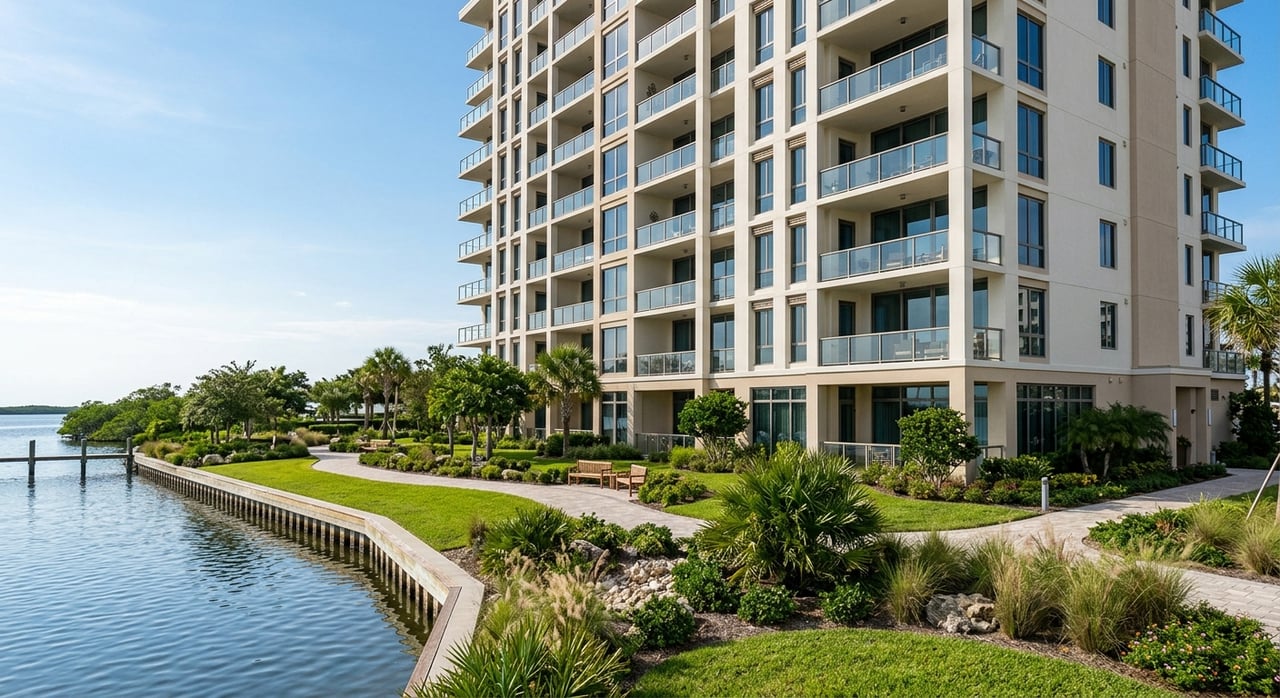
- Condos and HOAs. Unpaid association assessments can lead to liens. Your title team will request estoppel letters to confirm balances and fees before closing.
- Mechanic’s liens. Recent renovations can trigger contractor or subcontractor claims. Proper releases and a clean Notice of Commencement trail help avoid delays.
- Coastal and flood context. Flood zones and elevation certificates can impact surveys and lender requirements. These are not title defects by themselves, but they can affect timing and what endorsements you consider.
- Historic districts and covenants. Neighborhood restrictions or preservation guidelines often show up as recorded covenants. They may limit use or changes, and they typically fall outside standard title coverage.
How the title process works here
You will usually see these steps in a St. Petersburg closing:
- Order and search. After you go under contract, the title company searches official records, judgment indices, tax records, probate files, and corporate databases.
- Title commitment. You receive a commitment that lists current exceptions, any defects, and what must be done to issue the final policy.
- Curative work. The title company and seller clear liens, secure releases, and obtain required documents like HOA estoppel letters or spousal signatures.
- Closing and recording. You sign, funds are disbursed, and the deed and mortgage are recorded with the county.
- Policy issuance. After recording, the owner’s and lender’s policies are issued.
Simple files can move quickly. Delays usually come from missing releases for old loans, unresolved judgments, late HOA estoppels, code issues, or probate questions.
Who pays for title insurance in Pinellas
In Florida, payment customs vary by county and sometimes by neighborhood. In many areas, the seller often pays for the owner’s policy, but this is not a rule. It is negotiable and set in the purchase contract. Ask your agent to confirm the current custom for your St. Petersburg neighborhood and negotiate accordingly.
Common title problems and how they get fixed
You may hear about these issues in Pinellas closings:
- Unreleased or improperly recorded mortgages.
- Judgment liens or unpaid property taxes.
- HOA or condominium association liens for unpaid assessments.
- Forged or improperly executed deeds.
- Missing probate for a deceased owner or competing heir claims.
- Easement conflicts or boundary encroachments revealed by a new survey.
If a covered defect appears, the insurer investigates and may defend your title, pay off a lien, obtain a release, or compensate you up to policy limits. Some issues resolve quickly, while others require quiet title actions or negotiated settlements.
Endorsements to consider in St. Petersburg
Title endorsements modify or expand your coverage for specific risks. Names vary by insurer, but common options include:
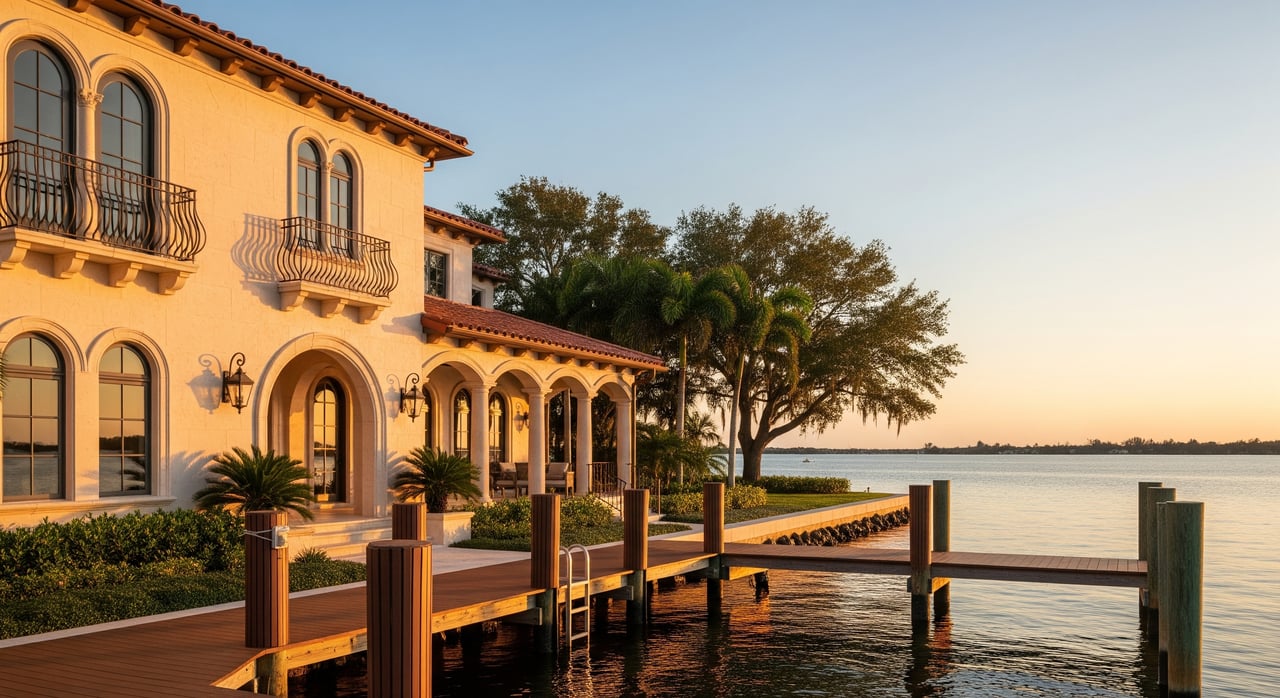
- Survey or boundary coverage. Helpful for coastal lots or tight urban parcels where fences, docks, or easements are close to boundaries.
- Condominium or PUD endorsements. Useful to address common elements or conversion matters in condo and townhome communities.
- Zoning or subdivision endorsements. Helpful if you plan improvements, rentals, or future lot splits where legal use is key.
- Homestead and marital endorsements. Useful where spousal signatures or homestead status could be an issue.
- Mechanic’s lien protections. Helpful when recent renovations or new construction could create claims.
Ask your title company which endorsements are common for your block and property type. The Florida Office of Insurance Regulation oversees title insurance in the state, and your title provider can explain specific forms and availability.
Buyer checklist: make closing smoother
Use this quick list to protect yourself and keep your timeline on track:
- Confirm you will receive an owner’s policy and understand who is paying per your contract.
- Review the title commitment early, focusing on exceptions and requirements.
- Order or request a survey endorsement if boundaries, fences, docks, or access are concerns.
- Verify HOA or condo estoppels are ordered and reviewed for unpaid assessments and fees.
- Confirm the seller’s homestead and marital status are documented if applicable.
- Make sure property taxes are prorated and there are no unpaid taxes or tax certificates.
Seller checklist: avoid last-minute surprises
Tackle these items early to reduce risk of delays:
- Provide prior deeds, mortgage payoff details, and any divorce or death certificates tied to ownership changes.
- Clear known liens and request payoff statements for open loans or contractor work.
- If the home is homesteaded, be ready to provide proof and complete any required spouse signatures.
- Respond quickly to title company requests for signatures, releases, and affidavits.
Choosing a title company or agent in Pinellas
A strong title partner keeps you informed, anticipates issues, and closes cleanly. Consider the following:
- Verify licensing and reputation, and ask which national underwriter they issue policies through.
- Ask about escrow controls, claims handling, and turnaround times for commitments and estoppels.
- Confirm they follow industry best practices and offer e-recording or remote signings if you need them.
- Request a sample title commitment so you can review typical exceptions and endorsements up front.
Local records are public. You can browse the Pinellas County Clerk’s Official Records, check parcel data with the Property Appraiser, review tax status with the Tax Collector, and verify business entities on Sunbiz. Your agent can help you interpret what matters to your transaction.
Final thoughts
Title insurance will not prevent every issue, but it shifts significant risk away from you and provides a defense if a covered problem arises. In St. Petersburg, condo and HOA liens, homestead formalities, and older recorded items are the most common sources of delays. When you understand the process and review your commitment early, you close with confidence.
If you want help navigating local norms, endorsements, and timing, our team is ready to coordinate with your title company and keep your deal moving. For a clear plan to buy or sell in Pinellas, connect with Shore2Bay Realty. Get your questions answered and see your next steps today.
FAQs
What is title insurance, and do I need both policies?
- Most buyers get two policies: an owner’s policy that protects your ownership and a lender’s policy that protects the bank. Both address past title defects, not future damage.
How long does a title search take in Pinellas?
- Simple files can produce a title commitment in a few days, but HOA estoppels, probate documents, or lien releases can extend the timeline.
Who pays for the owner’s policy in St. Petersburg?
- It is negotiable in the contract and can vary by neighborhood and market conditions, so confirm with your agent at the offer stage.
What title issues are most common locally?
- Unreleased mortgages, judgment liens, unpaid HOA or condo assessments, missing probate, and survey-revealed encroachments are frequent sources of delay.
Do condos and HOAs change the title process?
- Yes. You will need an association estoppel to confirm assessments and fees, and condo or PUD endorsements are often recommended.
Are flood zones a title insurance issue?
- Flood zones are not title defects, but flood and elevation data can affect surveys, lender requirements, and your closing timeline.