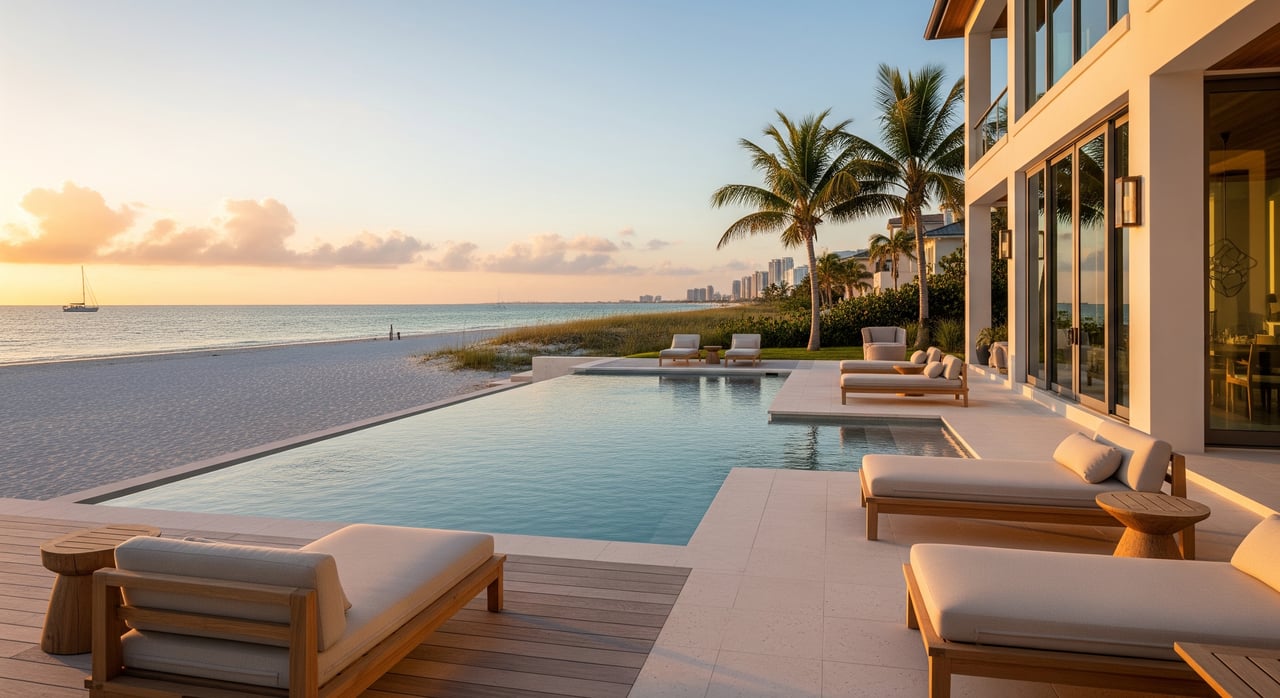
Imagine trading long commutes for sunrise beach walks and sunset strolls on soft Gulf sand. If you’ve ever pictured an easy, outdoorsy rhythm with boating, dining, and friendly neighbors, Treasure Island in Pinellas County might be your match. Still, island living comes with tradeoffs like seasonal traffic, flood risk, and higher insurance costs. In this guide, you’ll learn how daily life works, where different home types cluster, and what to consider before you buy, so you can decide if this small barrier island fits your lifestyle. Let’s dive in.
Treasure Island lifestyle at a glance
Treasure Island is a compact barrier island shaped by beach and water. You’ll notice the pace shift with the seasons. Winter and spring bring snowbirds and visitors, while summer leans more local. Everyday life often revolves around simple routines: coffee and a beach walk, lunch by the water, and a sunset that stops you in your tracks.
You’ll see a blend of residents and visitors. There are retirees, year-round locals who work across Pinellas, seasonal owners, and second-home buyers. Housing skews toward condos and smaller single-family homes, with more condos along the gulf side and a mix of single-family and low-rise properties closer to the bay.
The main tradeoff is clear. You get exceptional beach access and a laid-back coastal lifestyle. In return, you’ll balance higher hurricane and flood exposure, potential for higher insurance, and more activity in peak season. If you want an everyday connection to water and can plan around seasonality, the payoff is big.
Neighborhood feel and housing options
Gulf-front corridor along Gulf Boulevard
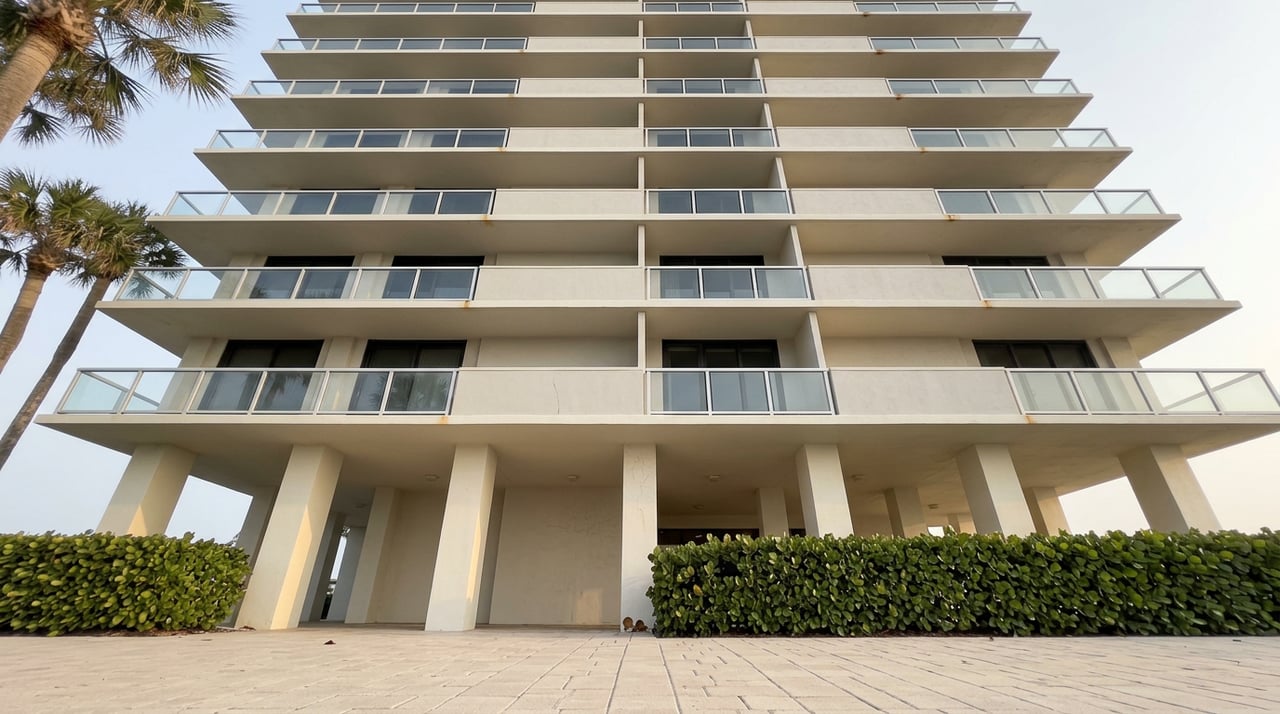
This is the classic beach strip. You’ll find mid-rise and high-rise condos, beachfront parks, and easy sand access. It is the most walkable area for restaurants and casual nightlife. Expect more foot traffic, especially in winter and during spring break periods.
Housing here is largely condo living, from studio and one-bedroom layouts to larger units with broad sunset views. Many buildings offer shared amenities like pools, elevators, and covered parking. Daily life can feel like a vacation, with the convenience of walking to dinner and catching every sunset.
Interior and bayside canals
The bayside and central island neighborhoods feel quieter and more residential. Streets are calmer, often with shade and less tourist foot traffic. This is where boating becomes a lifestyle, with canals, private docks, or marina access in some communities.
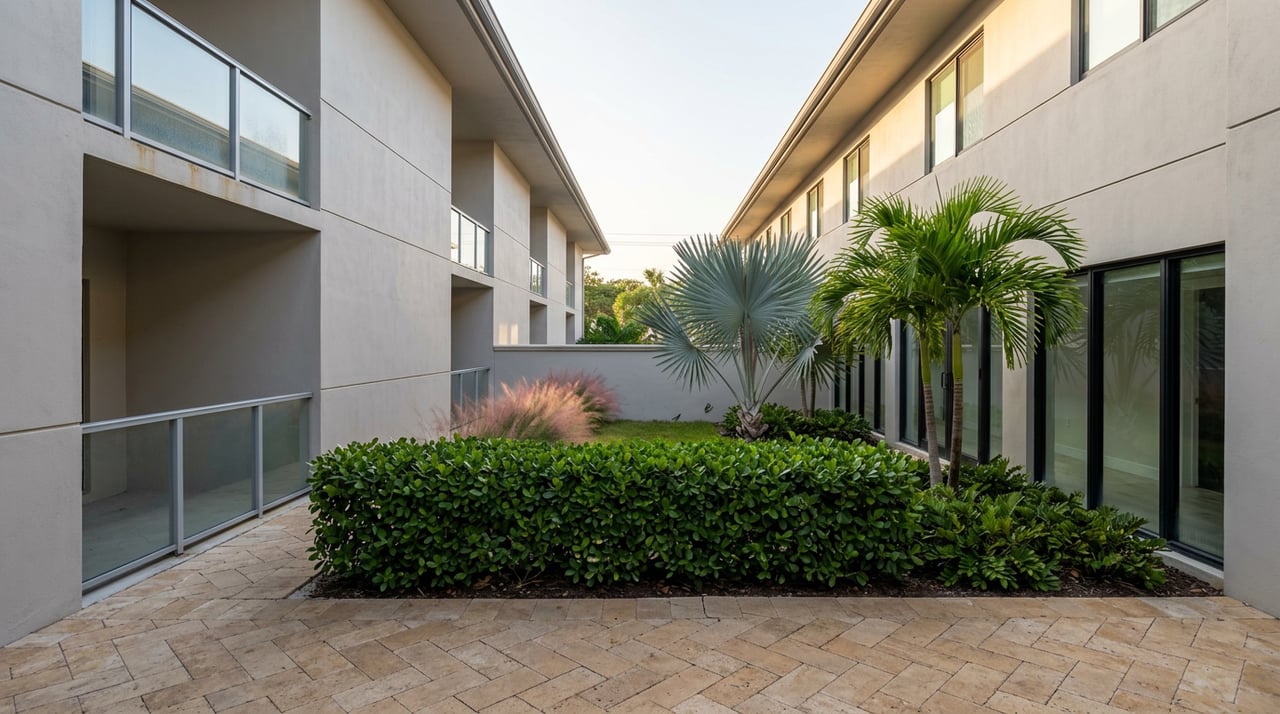
Homes include low-rise condos, duplexes, and single-family properties. You’ll see more yard space and private parking. If you want a slower pace, calm evenings, and easy access to boating or fishing, this side often fits.
North and south gateways
The ends of the island connect to neighboring communities and bridges. These areas tend to be more residential and work well for commuters heading to St. Petersburg, Clearwater, or Tampa. Expect a mix of older single-family homes and smaller condo compounds, plus quicker access on and off the island.
Condos, HOAs, and amenities
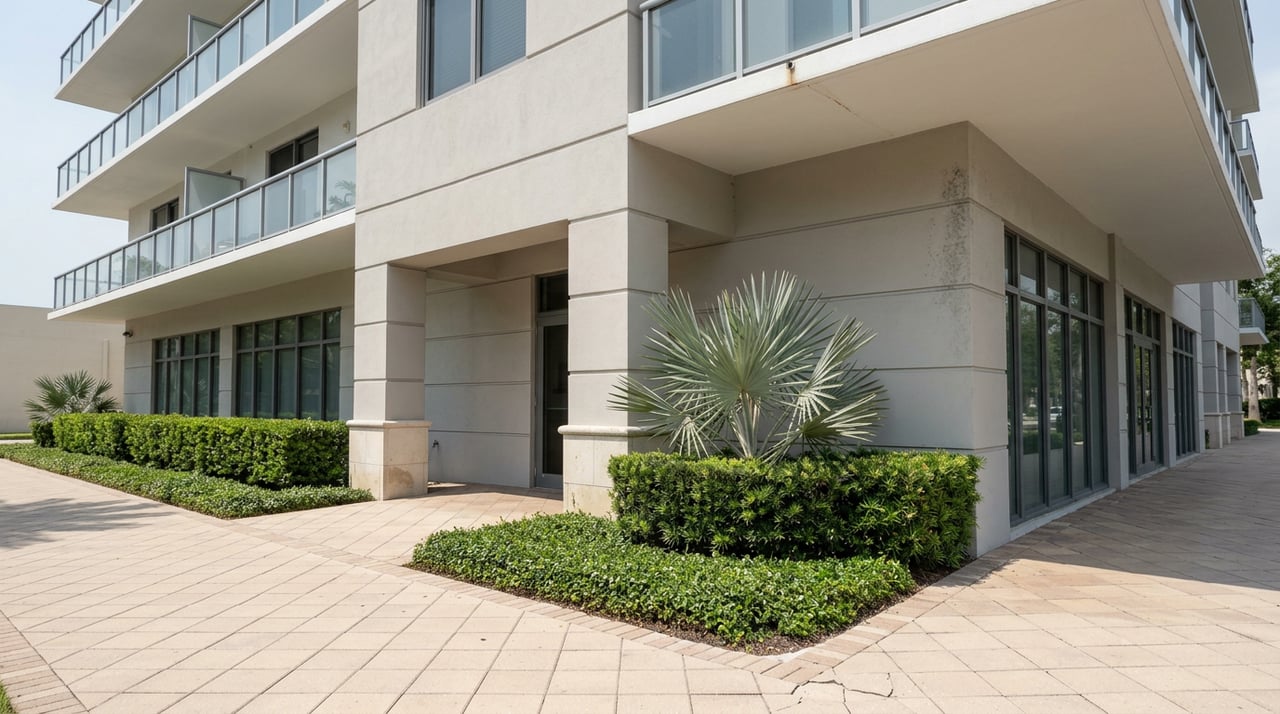
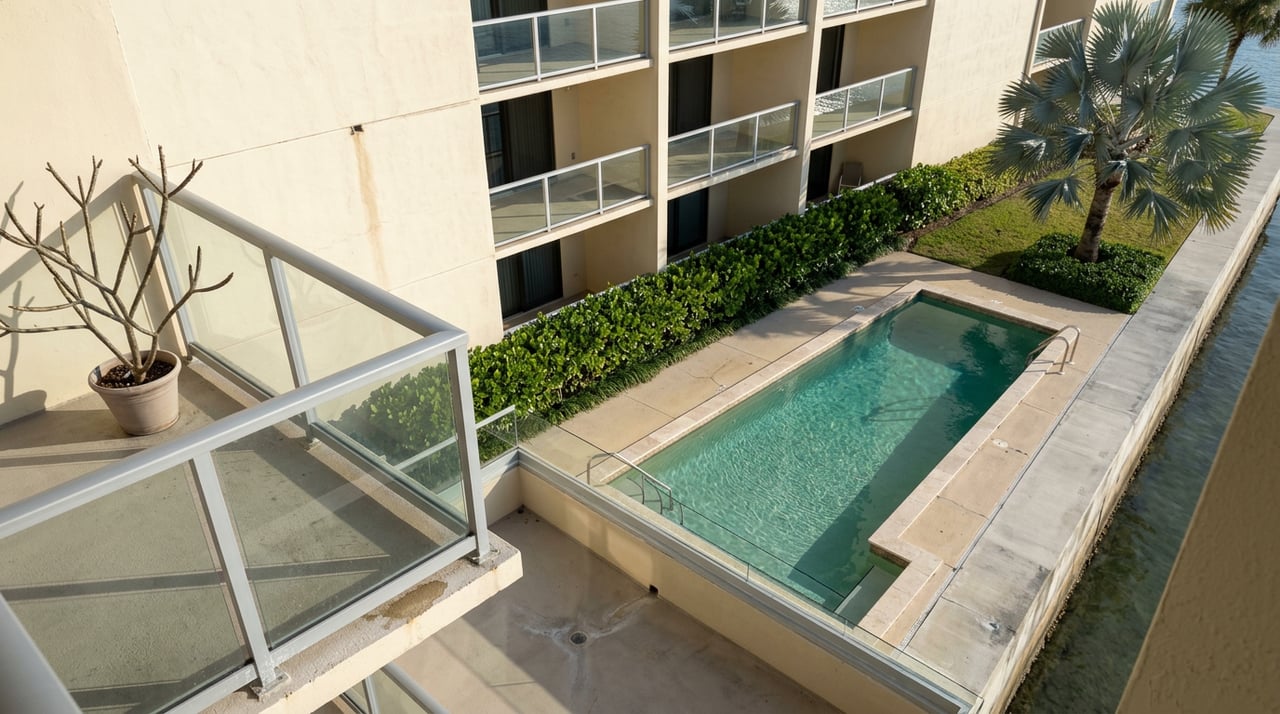
Condo communities vary a lot in owner-occupancy and rental policies. Some lean seasonal, while others are primarily owner-occupied. Typical amenities include pools, fitness rooms, beach walkways, and covered parking. Bayside properties may offer boat slips or lifts.
HOA fees commonly cover building insurance, exterior maintenance, landscaping, and some utilities. Costs vary widely by building, age, and reserves. Ask for reserve studies, insurance breakdowns, and any history of special assessments.
Parking and deliveries
Near beach access points, restaurants, and popular parks, parking tightens in peak season. Many condos provide assigned or gated spaces, and most single-family homes have driveways. If you host guests often, plan for how and where they will park during high-traffic months.
Day-to-day living: beaches, boating, and errands
Beaches and parks
Most homes are a short walk or quick drive to sand. Public beach access points dot the gulf side, and mornings and evenings are prime times for locals. Summer brings more day visitors and families, while winter and spring are busier with seasonal residents. Beach renourishment projects can temporarily affect access, but they support long-term shoreline health.
Boating and marinas
Boating culture is strong. Bayside properties along canals often feature private docks or lifts. Regional public ramps and private marinas nearby help if you trailer or need a slip. Weekends and peak season are busier on the water. Be mindful of no-wake zones in canals and plan ahead for slip availability, which can be tight when demand surges.
Dining, nightlife, and walkability
Gulf Boulevard and nearby nodes offer casual seafood spots, beach bars, and cafés. Some places are seasonal. You can walk or bike to many dining options if you live along the gulf side. Nightlife is relaxed compared to large cities, with live music at neighborhood restaurants. For quiet evenings, the bayside and interior streets typically see less nighttime activity.
Groceries, services, and healthcare
For small errands, you’ll find on-island convenience options. For full grocery runs and larger shopping trips, plan on a short drive to the mainland or neighboring beaches. Healthcare, including emergency and primary care, is a short drive on the mainland. Specialty hospitals and larger medical centers are also reachable across nearby bridges.
Schools and education
Treasure Island is served by Pinellas County Schools. Given the island’s size, most students attend schools on the mainland. If schools are a priority, review current boundary maps and program options to understand your specific assignments.
Getting around and commuting
Treasure Island is partly walkable, but a car is practical for groceries, medical visits, and commuting. Biking works well for local trips along Gulf Boulevard. Pinellas County bus routes serve the corridor with limited frequencies. Commute times to nearby employment centers vary with bridge and traffic conditions. Plan for roughly 15 to 40 minutes or more depending on the destination and time of day.
Community events
Seasonal events add energy throughout the year. Expect more activity around holidays, spring periods, and peak visitor months. The city and community groups often host cleanups, parades, concerts, or beach-friendly gatherings, though schedules can change year to year.
Practical considerations for buyers
Weather and flood risk
As a barrier island, Treasure Island faces hurricane wind and storm-surge exposure. Many properties fall within FEMA-designated flood zones such as AE and VE. Lenders commonly require flood insurance in these zones, and premiums depend on elevation, past claims, and mitigation steps.
When evaluating a home, review elevation, roof and window protections, and flood vents. Check evacuation levels, and understand your plan for storm season. Long-term planning also benefits from reviewing sea level rise and storm surge resources.
Insurance and maintenance
Expect higher homeowners and windstorm premiums compared to inland areas. Flood insurance through the NFIP is common. Insurers scrutinize coastal buildings closely, especially older structures and those with limited mitigation.
Salt air increases wear. Budget for more frequent painting, HVAC upkeep, and attention to metal fixtures or railings. Condo associations handle exterior maintenance for shared structures, while single-family owners manage their own exteriors, docks, and seawalls.
Short-term rentals and local rules
Vacation rentals are common in beach communities, but rules vary by property type and location. The City of Treasure Island and county licensing requirements govern transient rentals and occupancy limits. If rental income is part of your plan, verify current regulations and building bylaws before you buy.
Keep seasonality in mind. High season can lift nightly rates and occupancy, while shoulder months are softer. Management, cleaning, utilities, and compliance costs can reduce net returns.
Noise and seasonality
From November through April, you’ll see more pedestrians, fuller restaurants, and busier beaches. Some areas near bars, event venues, or major access points can be louder at night. Bayside residential streets often provide quieter evenings.
HOAs, financing, and resale
For condos, review bylaws, recent meeting minutes, reserve studies, and any pending or recent special assessments. Lenders may have stricter standards for coastal condos related to reserves and owner-occupancy. When you estimate resale potential, think about both end users and investors, and how a building’s rules might affect demand.
Utilities and emergency services
Municipal utilities cover water, sewer, garbage, and stormwater. Ask about storm debris pickup procedures after major weather events. Police, fire, and ambulance services are provided locally. Confirm the nearest stations and typical response coverage for your address of interest.
Safety and crime
Tourist areas can see more property-related incidents like vehicle break-ins than strictly residential zones. Review current public safety statistics from local law enforcement and consider building security, lighting, and parking plans.
Who loves living here?
- You want a daily connection to sand and sunsets.
- You value boating access, whether that means a private dock, a nearby marina, or weekend launches.
- You prefer a condo lifestyle with amenities or a low-key single-family home on a canal.
- You are comfortable planning around seasonal crowds, parking, and insurance considerations.
- You like a friendly, small-island feel with quick access to bigger-city options in St. Petersburg and beyond.
Smart buying steps on Treasure Island
- Clarify your lifestyle priorities. Decide between gulf-front walkability and bayside boating.
- Review flood zones, elevation, and wind mitigation. Compare insurance quotes early.
- For condos, request full HOA documents, reserve studies, and insurance summaries.
- Check parking and guest access during high season. Confirm assigned spaces and loading rules.
- Verify short-term rental rules and licensing if income is part of your plan.
- Map your everyday routes to groceries, healthcare, and work. Test the drive at your typical times.
- Partner with a local agent who understands condos, coastal risk, and seasonality.
Ready to explore specific buildings or canal streets that match your lifestyle and budget? Let’s talk through your must-haves and create a clear plan.
Shore2Bay Realty combines local insight with boutique, high-touch service to help you buy with confidence on Treasure Island. From condo reviews to flood and insurance guidance, we’ll walk you through every step. Connect with us at Shore2Bay Realty to get started.
FAQs
Is Treasure Island, FL mainly a vacation spot or a year-round place to live?
- It works for both; you’ll find retirees, full-time residents, and seasonal owners, with a busier tourist rhythm in winter and spring.
How close are groceries, pharmacies, and hospitals to Treasure Island homes?
- You’ll find on-island convenience options, with full grocery and major medical facilities a short drive on the mainland or in nearby communities.
How common are private docks or boat slips on Treasure Island?
- Bayside canal homes often feature private docks or lifts, while marinas and public ramps nearby support boaters without private slips.
What should I know about flood and hurricane risk on Treasure Island?
- Many homes lie in FEMA flood zones, so flood insurance is common; evaluate elevation, wind mitigation, and evacuation planning before you buy.
Are short-term rentals allowed on Treasure Island, and do they perform well?
- Rules vary by property and city code; income is seasonal and depends on licensing, management costs, and building bylaws, so verify before purchasing.
Which Treasure Island areas feel quieter versus more touristy?
- Gulf Boulevard is more active with dining and beach access, while bayside and interior streets tend to be calmer, especially in the evenings.
How walkable is Treasure Island, and do I still need a car?
- You can walk or bike to beaches and dining in many areas, but a car is practical for groceries, medical visits, and commuting.
What is parking like for residents and guests during peak season?
- Parking tightens near beach access and restaurants; condos often assign spaces, and guests may face limits during high-demand periods.