Wondering why two Treasure Island condos can feel completely different even when they share the same city name? That is a common surprise for buyers here. In Treasure Island, the biggest differences usually come down to building type, amenities, rules, and water access, not just the neighborhood name alone. If you are trying to decide between beachfront, bayside, or one of the Isle communities, this guide will help you compare the options more clearly. Let’s dive in.
Condo shopping starts with location type
Treasure Island is a barrier-island city connected by the Causeway, and city materials reference areas such as Paradise Isle/Causeway Isles, Isle of Capri, and Paradise Island. For most condo buyers, though, the more useful way to think about the market is simpler.
You can usually group Treasure Island condos into three practical categories: beachfront on Gulf Boulevard, bayside or intracoastal on the east side, and smaller Isle townhome pockets. That framing can make your search easier because each category tends to offer a different ownership experience.
Beachfront condos feel more resort-oriented
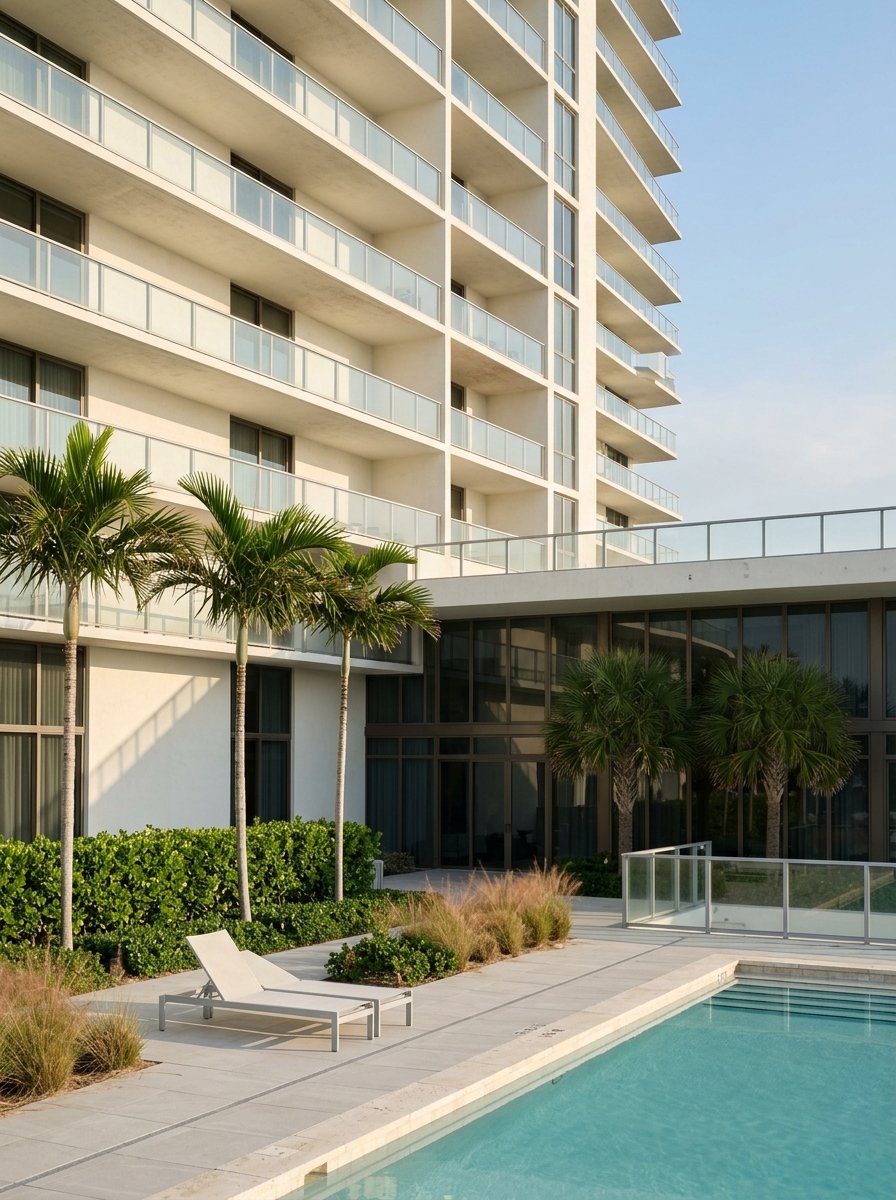
If your goal is direct sand access and strong beach appeal, beachfront buildings usually stand out first. Representative examples in Treasure Island include Sunset Vistas, Island Grand, Treasure Sands, and The Venetian.
These communities show the range within the beachfront segment. Some are newer mid-rise buildings from the 2003 to 2006 period, while others are older tower-style properties, such as Treasure Sands from 1974. That means your choice is often less about the street address and more about what style of building fits your lifestyle and budget.
What beachfront buildings often offer
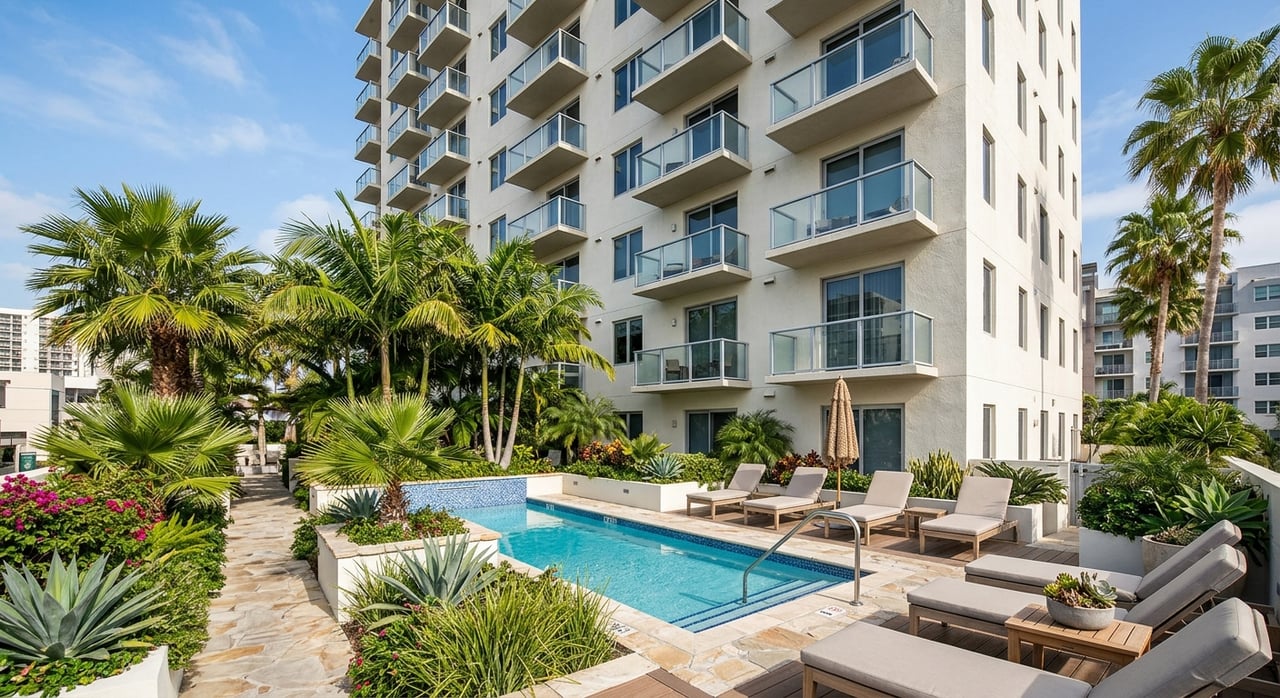
Beachfront communities in the examples provided tend to include amenities that support a resort-style setup, such as:
- Direct beach access
- Heated pools
- Hot tubs
- Fitness facilities
- Club or recreation rooms
- Garage or covered parking in some buildings
- Large balconies in select properties
For example, Sunset Vistas is a 6-story beachfront mid-rise with a heated pool, children’s pool, two hot tubs, on-site café and tiki bar, fitness center, and walkable access to John’s Pass. Island Grand adds direct beach access, private garages, and large balconies. The Venetian is much smaller, with just five units, while Treasure Sands is a taller 14-story tower.
Who beachfront condos may suit best
Beachfront condos often appeal to buyers who want the most convenient beach lifestyle or the strongest vacation-style rental appeal. But that does not mean every beachfront building works the same way.
Lease rules can vary significantly from one building to another. Before you fall in love with the view, it is smart to confirm whether rentals are seasonal, restricted by minimum lease periods, or limited in other ways.
The main beachfront tradeoffs
Beachfront living can bring a view premium and easy access to the Gulf, but there are tradeoffs. In this segment, buyers often compare convenience and scenery against HOA costs, building rules, and in some cases less private outdoor space than they expected.
That is why two beachfront condos at similar price points may not actually offer the same value. The age of the building, its amenity package, and the association structure can all change the ownership picture.
Bayside condos favor boating and daily living
On the bayside and intracoastal side of Treasure Island, the feel often shifts from resort to residential waterfront. Representative examples include Paradise Island Towers, Key Capri, and Points West in Isle of Capri.
These communities often center on water access, boating features, parking, and practical day-to-day living. You may still find strong amenities, but the focus is usually different from beachfront buildings.
What sets bayside communities apart
Bayside and intracoastal condos often attract buyers who want water views without being directly on the sand. In the examples above, Paradise Island Towers includes boat slips for rent, a heated pool, on-site management, enclosed balconies, and under-building parking.
Key Capri is described as Treasure Island’s only gated community and includes a heated pool, spa, tiki bar, tennis and pickleball, shuffleboard, a putting green, and boat slips when available. A Points West listing in Isle of Capri also highlights intracoastal waterfront living with hurricane-rated windows.
Why buyers choose the east side
If boating matters to you, the bayside or intracoastal side is often the first place to look. The research examples show that boat slips and marina-style features are more common here than in the beachfront group.
These communities can also appeal if you want a more residential feel. Compared with a pure resort-style beachfront building, bayside condos may feel better suited to everyday use, longer stays, or full-time living.
Isle communities feel more like townhome pockets
The Isle areas, including places like Isle of Capri and Paradise Island, can feel very different from the tower-style condo experience. Current Sun Ketch examples on Isle of Capri show condo-townhome style units with garages, screened balconies, and community recreation space.
This is where many buyers start to see that Treasure Island is not one uniform condo market. In the Isle pockets, the layout and lifestyle can feel more home-like and less like a vacation building.
What to expect in the Isles
Many Isle examples are low-rise or two-story townhome-style buildings. That often means:
- Garage parking is more common
- Storage can be easier to find
- Layouts may feel more like a home than a tower unit
- The overall setting can feel quieter and more residential
One Sun Ketch I listing built in 1986 allowed 30-day minimum leases up to six times a year and one pet. Another 1990 listing described golf-cart-friendly community features and included cable, internet, water, sewer, trash, and pool maintenance in the rent.
Why Isle buyers often stay longer
For buyers who plan to spend more time in the property, the Isle communities can be especially appealing. Garages, lower-rise footprints, and practical everyday features often make these homes feel better suited to longer stays or primary living.
The Isle neighborhoods also tend to answer a common buyer question about which part of Treasure Island feels most residential. Based on the examples in the research, this category usually wins that comparison.
Newer versus older buildings matters here
One of the most common questions buyers ask is where the newest buildings are. In the examples provided, the beachfront group includes several newer buildings from 2003 to 2006.
By contrast, many bayside examples are older towers from the 1960s and 1970s, while the Isle communities often include 1980s and 1990s low-rise or townhome-style properties. That difference can affect everything from layout and amenities to maintenance planning and monthly costs.
Age alone does not make one condo better than another. But it does help explain why a newer beachfront mid-rise may feel very different from an older intracoastal tower or a lower-rise Isle townhome.
HOA fees and rules can vary a lot
In Treasure Island, monthly ownership costs can shift sharply from one community to the next. Current examples in the research range from about $684 per month in representative Key Capri and Sun Ketch listings to $1,129 per month at Sunset Vistas.
That is not a market-wide average, but it is a useful reminder. Two condos with similar square footage can carry very different costs depending on the building’s age, amenities, insurance structure, and what the association fee includes.
What your HOA fee may include
Some communities bundle more into the monthly fee than others. For example, the Key Capri listing notes maintenance fees that cover cable, internet, building and flood insurance, water, sewer, trash, reclaimed water, landscaping, reserves, on-site management, and pest control.
Sun Ketch examples also show that utilities and maintenance items may be bundled differently. The only safe assumption is that you should review each association separately.
Rules to confirm before you buy
Treasure Island condo communities can differ widely on everyday ownership rules. Important questions include:
- Are pets allowed?
- What are the rental minimums?
- Are short-term or seasonal rentals allowed?
- Is there a cap on how often you can lease?
- What parking and storage come with the unit?
The examples show real variation. Treasure Sands and Paradise Island Towers are pet-free, Island Grand allows pets, and Sun Ketch has leasing limits. Those details can shape whether a condo fits your plans just as much as the price or view.
Florida condo due diligence is essential
Because many Treasure Island buildings are three stories or taller, Florida condo law plays a major role in the buying process. Under current Florida statutes, qualifying buildings need milestone inspections at 30 years and every 10 years after that, and local enforcement agencies may require the first inspection at 25 years in saltwater-proximate areas.
Qualifying owner-controlled associations must also complete structural integrity reserve studies, or SIRS, every 10 years for buildings with three or more habitable stories and fund the core components the study identifies. For many associations existing on or before July 1, 2022, these deadlines generally ran through the end of 2025, with a limited extension to the end of 2026 when completed alongside a milestone inspection.
What reserve studies cover
The reserve-study categories can include:
- Roof
- Structure and load-bearing systems
- Fireproofing and fire protection systems
- Plumbing
- Electrical systems
- Waterproofing and exterior painting
- Windows and exterior doors
- Other deferred-maintenance items above the statutory threshold
This matters because the list price is only part of the story. A building’s inspection status, reserve funding, and maintenance planning can affect your long-term costs and risk.
Documents buyers should request
When you are serious about a Treasure Island condo, the most important document requests often include:
- The association’s milestone summary
- The latest SIRS
- The current budget
- Reserve balances
- Any special assessment history
- Rental-policy history
These documents usually tell you more than the marketing brochure can. They help you understand not just what the condo looks like today, but how the building is being managed for the future.
Storm access should be part of your decision
Treasure Island is a barrier island connected by the Causeway, so hurricane evacuation and post-storm access are important practical factors. This is especially relevant if you are comparing a beachfront tower with an Isle townhome.
Neither choice is automatically better for every buyer. The key is to think honestly about how you will use the property, how often you will be there, and how comfortable you are managing island access considerations during storm season.
How to choose the right Treasure Island condo
If you are narrowing your options, it helps to match the community type to your actual goals. In many cases, the best fit becomes clear when you focus on lifestyle first.
If you want direct beach access and strong resort-style appeal, beachfront may be your best match. If you care more about boating, water views, and a more residential waterfront feel, the bayside or intracoastal side may make more sense. If you want garages, home-like layouts, and lower-rise living, the Isle communities are often worth a closer look.
A local comparison can save you time because the label “Treasure Island condo” covers several very different ownership experiences. If you want help comparing buildings, fees, rules, and resale considerations across Treasure Island, Shore2Bay Realty can help you sort through the details with a local, practical approach.
FAQs
What makes Treasure Island condo communities different from each other?
- The biggest differences usually come from building type, amenities, HOA structure, lease rules, and water access rather than neighborhood name alone.
Which Treasure Island condos are best for beach access?
- Beachfront condos along Gulf Boulevard are typically the best fit if you want direct sand access, Gulf views, and a more resort-style environment.
Which Treasure Island condos are best for boating?
- Bayside and intracoastal communities are usually the better choice for boating because boat slips and water-access features are more common there.
Which Treasure Island condo areas feel most residential?
- The Isle communities, including areas like Isle of Capri and Paradise Island, often feel the most residential because they feature more low-rise and townhome-style layouts with garages and everyday-living features.
Are HOA fees the same across Treasure Island condo buildings?
- No. Current examples in the research show fees can vary widely based on age, amenities, insurance structure, and what the monthly fee includes.
What should buyers review before buying a Treasure Island condo?
- Buyers should review the HOA budget, reserve balances, milestone inspection status, latest SIRS, rental rules, pet rules, and any special assessment history before moving forward.
Do older Treasure Island condo buildings require extra due diligence?
- Yes. Older buildings, especially qualifying 3+ story properties, may be subject to Florida milestone inspection and structural reserve study requirements, so reviewing association documents is essential.