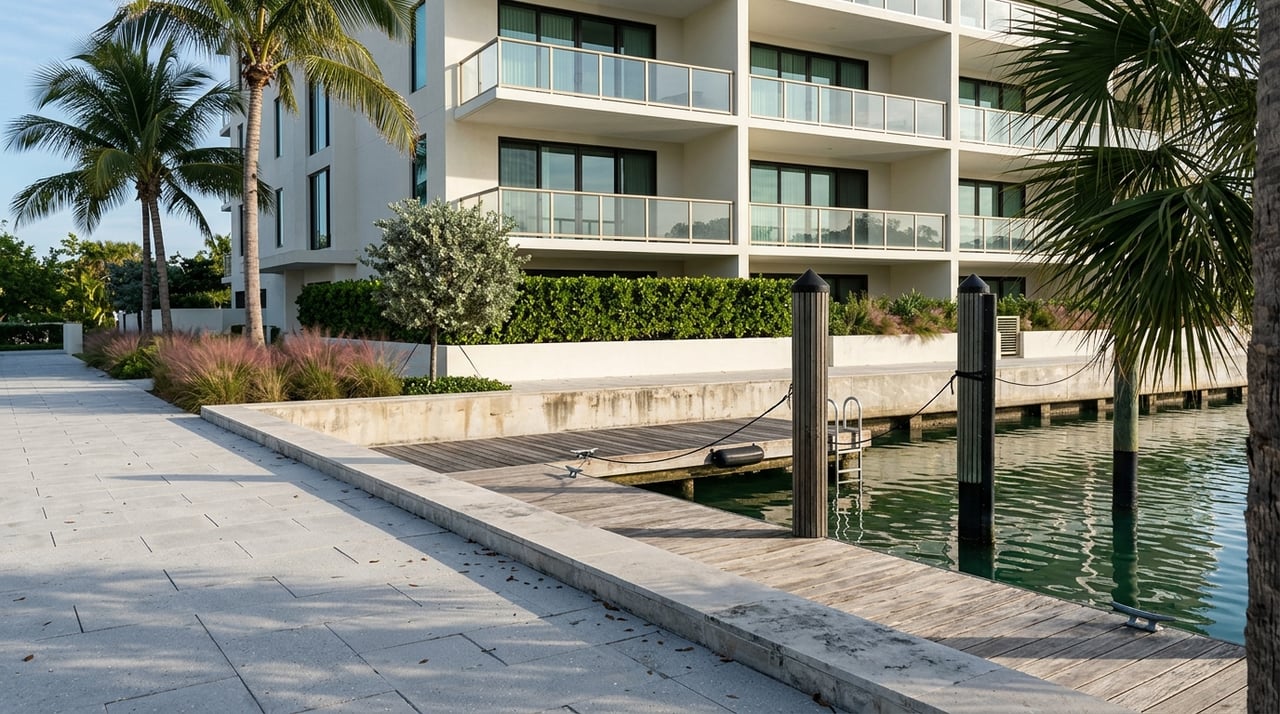
Wondering whether Gulf-front or Intracoastal living is the better fit in St. Pete Beach? It is a smart question, because on this barrier island, the two sides can feel very different day to day. If you are trying to balance beach access, boating, views, privacy, and budget, this guide will help you sort through the trade-offs so you can focus on the lifestyle that matches you best. Let’s dive in.
St. Pete Beach Has Two Distinct Lifestyles
St. Pete Beach is shaped by its barrier-island geography, and the city’s own planning language draws a clear contrast between the two sides. Gulf Boulevard and the Gulf side function as the resort and shopping core with beach access, while the east side is framed as the more residential Intracoastal side.
That distinction matters when you are buying. It affects not just the view outside your window, but also your routine, traffic patterns, access to amenities, and the type of property you are most likely to find.
The city also reports that nearly 28% of homes and condos are owned by non-primary residents. That helps explain why second-home and lifestyle buyers are such an important part of the local market, especially when choosing between a beach-centered property and a boating-centered one.
Why Buyers Choose Gulf-Front
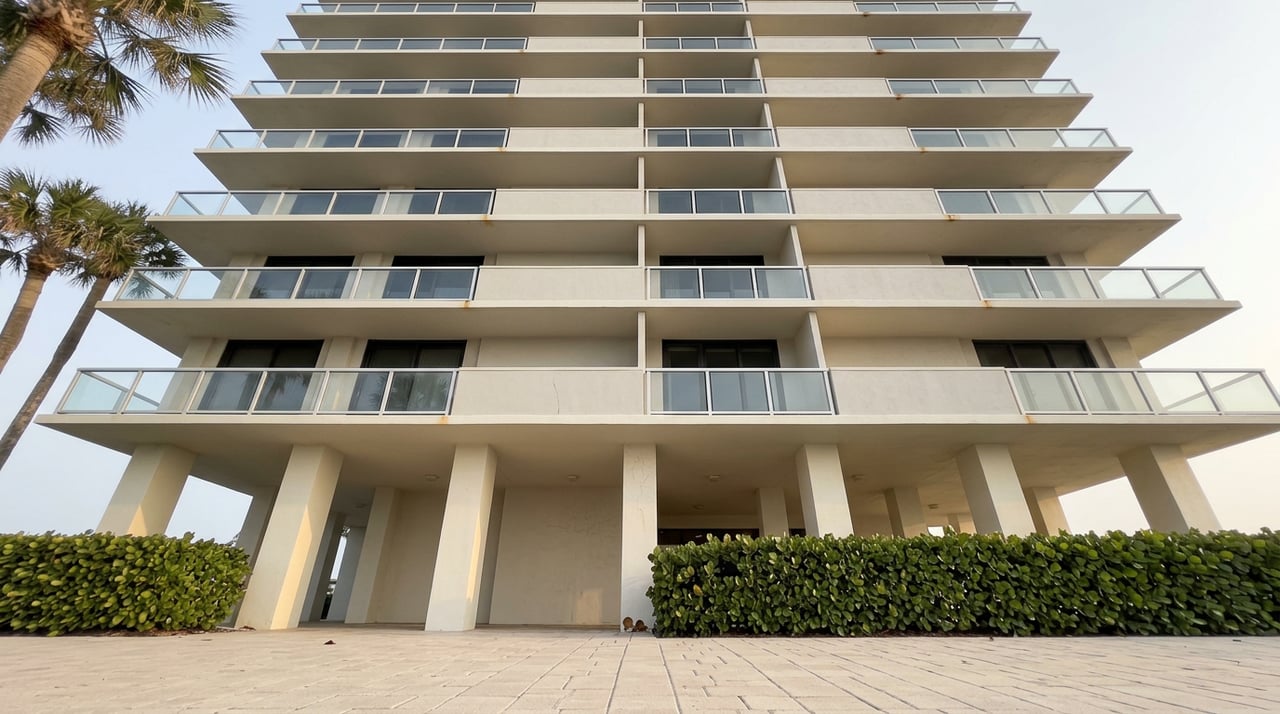
For many buyers, Gulf-front living is about one thing first: direct access to the beach. If your ideal day starts with a walk on the sand, ends with a Gulf sunset, and includes easy access to beach amenities, the west side usually feels like the obvious choice.
Even though St. Pete Beach has public access points and parking at places like County Park Beach on Gulf Boulevard, Upham Beach, and Pass-a-Grille Beach, Gulf-front ownership removes the extra step. You are not planning around parking, carrying gear across public access paths, or timing your outing around visitor traffic.
Gulf-Front Benefits
Gulf-front homes and condos often appeal to buyers who want:
- Direct beach access
- Wide-open Gulf views
- A resort-style setting
- Close proximity to beach activity and public amenities
- A strong second-home or vacation feel
This side of the island can also feel more active. That is a plus if you enjoy being near the energy of shops, visitors, and the beachfront rhythm that defines St. Pete Beach for many people.
Gulf-Front Trade-Offs
That convenience comes with responsibilities and a few practical considerations. The city notes that dunes are important natural resources that help provide storm protection, and foot traffic can damage them. Sea oats are protected, and sea turtle nesting season runs from May through October, with beach users asked to follow clean-dark-flat practices.
In simple terms, Gulf-front living places you closer to the beach environment and the stewardship that comes with it. If you love that setting, it may feel worth it. If you prefer lower exposure to visitor activity or shoreline-related considerations, the Intracoastal side may feel more comfortable.
The Gulf side is also generally the busier corridor. The city’s Gulf Boulevard Safety Study identifies Gulf Boulevard as the roadway with the most vehicle accidents and pedestrian fatalities, which is a useful sign that this area sees heavier traffic and more visitor movement.
Why Buyers Choose Intracoastal
If the Gulf side is about the beach routine, the Intracoastal side is often about the water lifestyle from a different angle. Buyers who prefer boating, protected water, parks, piers, and a quieter residential feel are often drawn to the east side.
The city’s planning language describes the east side as residential, and that character shows up in how the area is used. Local parks and boating access points support a more neighborhood-oriented experience that many full-time residents and boating-focused buyers appreciate.
Intracoastal Benefits
Intracoastal properties often appeal to buyers who want:
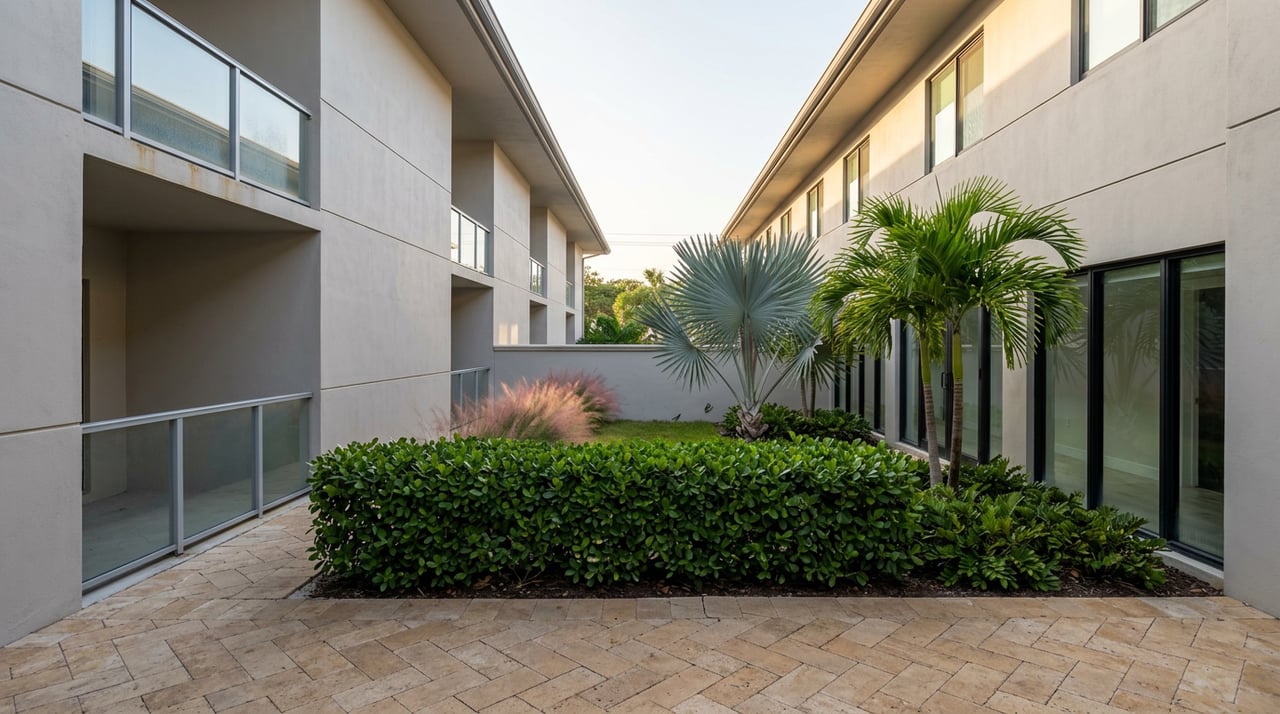
- A quieter residential setting
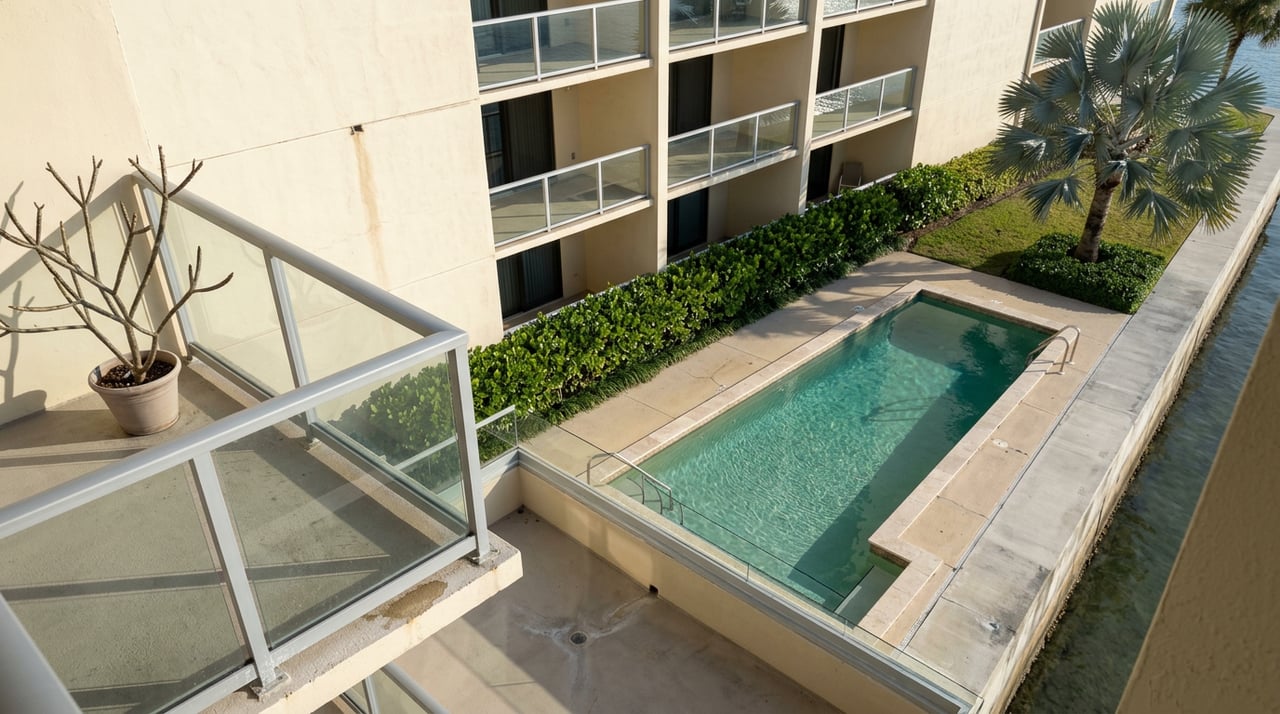
- Easier access to boating and protected water
- Nearby waterfront parks and piers
- Potential dock or boating-related advantages on some properties
- A home environment that feels less resort-oriented
Visit St. Pete/Clearwater highlights Horan Park, Egan Park, and Ron McKenney Park on the Intracoastal waterfront. The city also lists Don CeSar and Egan Park as boat ramps, while Merry Pier in Pass-a-Grille is known as a fishing and boating destination.
For some buyers, that boating access is the deciding factor. If your weekends are more about getting on the water than setting up on the sand, the east side often lines up better with how you actually live.
Intracoastal Trade-Offs
The main trade-off is simple: you are usually not stepping directly onto the Gulf beach. Public beach access is still available across St. Pete Beach, but your routine may involve driving, biking, or walking farther to reach the sand.
That may be a small compromise for some buyers and a deal-breaker for others. It depends on whether your priority is daily beach access or a more residential coastal setting.
There is also a useful detail for pet owners. The city identifies a small bay-side beach at the end of Pass-a-Grille Way between 1st and 3rd Avenues as the only dog-friendly sand beach area. Dogs are otherwise prohibited on sand beaches and beach access points.
Property Types Can Feel Different
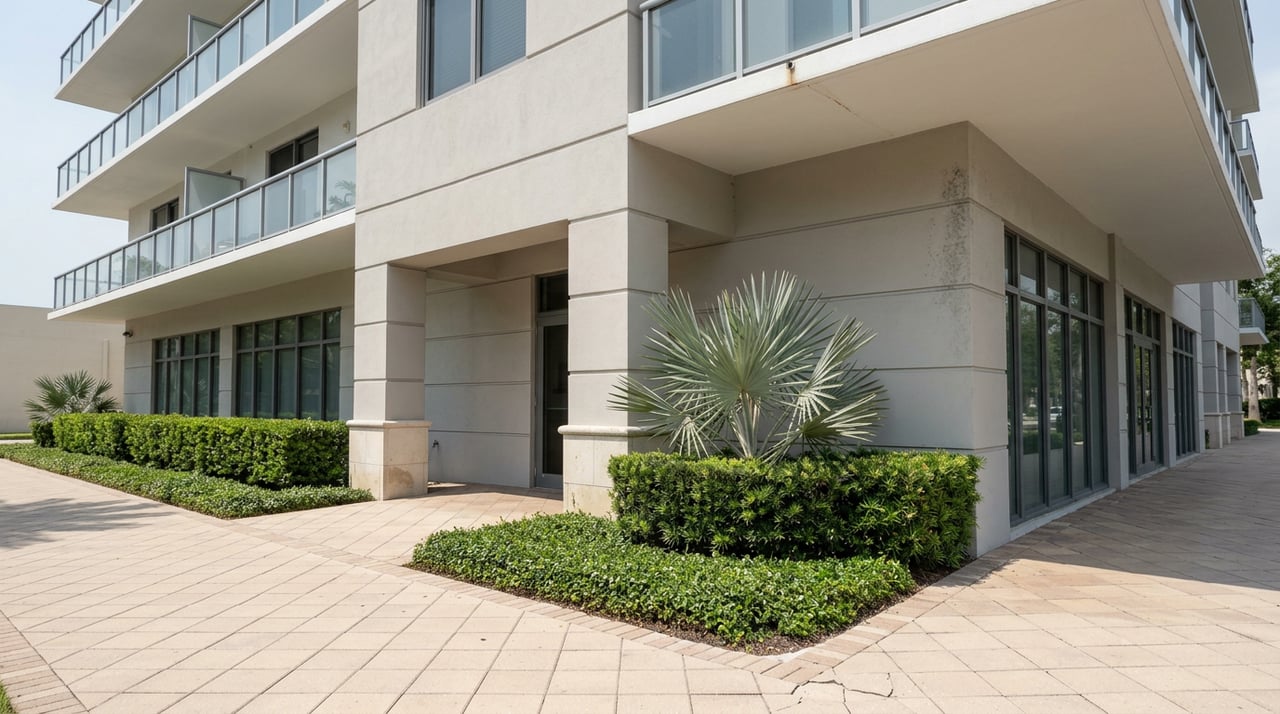
While there is no published inventory split in the research provided, the city’s planning language supports a practical pattern many buyers notice. The Gulf side more often feels condo and resort-oriented, while the Intracoastal side more often feels house-centric and neighborhood-oriented.
That does not mean you will only find one property type on one side. It does mean that when you start touring homes, the overall setting may feel quite different depending on where you focus.
If you want a lock-and-leave condo with a beachfront experience, the Gulf side may offer more of what you are picturing. If you want a single-family home feel with a more residential atmosphere, the Intracoastal side may rise to the top faster.
Price Differences Are Real, But Not Simple
It is easy to assume all waterfront property in St. Pete Beach falls into one price category, but the market tells a more nuanced story. In March 2026, Redfin reported a median sale price of $599,000, a median of 83 days on market, and a median sale price per square foot of $512.
Redfin also described the market as not very competitive, with a sale-to-list ratio of 94.8% and price drops on 39.7% of homes. That gives buyers room to compare options carefully rather than rushing into a decision.
Recent sales show how wide the price range can be within the same city. Reported sold properties included a $239,500 condo on Blind Pass Road, a $990,000 Gulf Boulevard condo unit, and single-family sales from $1.625 million to $1.7 million on Julia Circle.
What Drives the Price Gap
In St. Pete Beach, waterfront value is shaped by more than just the address. Key factors can include:
- Exact frontage
- Building age
- Elevation
- View corridor
- HOA costs
- Dock or boating rights
As a practical rule, direct Gulf-front property will often command a premium over an otherwise similar Intracoastal property. At the same time, Intracoastal homes may compete well on lot size, dockability, and a quieter setting.
Flood and Coastal Due Diligence Matters on Both Sides
No matter which side you prefer, St. Pete Beach is a coastal barrier-island market. That means flood due diligence should be part of your process from the very beginning.
The official FEMA Flood Map Service Center can be used to check flood hazards. Pinellas County’s Flood Map Service Center adds local layers such as FEMA flood zones, elevation certificates, storm surge, sea-level-rise, coastal barrier, and real-estate flood-disclosure information.
The City of St. Pete Beach also directs residents to flood and hurricane resources, and notes that hurricane season runs from June 1 through November 30. If you are comparing two waterfront properties, these details can shape both carrying costs and long-term comfort with the purchase.
Extra Checks for Gulf-Front Buyers
If you are leaning Gulf-front, it is wise to look more closely at site-specific shoreline factors. The research points buyers toward checking for proximity to dunes, nourishment work, seawall projects, and turtle-lighting constraints.
The city’s Beach Stewardship Committee reviews ongoing beach-renourishment efforts, and Pinellas County’s 2025 beach nourishment project includes Upham Beach. These are not necessarily deal-breakers, but they are part of understanding what ownership near the Gulf can involve.
A Simple Way To Decide
If you are torn, stop thinking about the property first and think about your routine instead. In St. Pete Beach, that is often the clearest decision filter.
Choose Gulf-front if your top priorities are:
- Walking straight to the beach
- Watching Gulf sunsets
- Living in a more resort-style setting
Choose Intracoastal if your top priorities are:
- Boating and protected water access
- A quieter residential environment
- Easy access to waterfront parks, piers, and ramps
This is often less about which side is better and more about which side fits the way you want to spend your time. Beach routine usually points to Gulf-front. Boating routine usually points to Intracoastal.
The Right Side Depends On You
St. Pete Beach offers two strong versions of waterfront living, and both can be excellent choices. Gulf-front gives you the sand-at-your-door experience that many buyers dream about, while Intracoastal offers a more residential waterfront lifestyle that can feel calmer and more boating-centered.
The best move is to compare them through the lens of your actual habits, your budget, and the type of property you want to own. If you want local guidance on how specific buildings, streets, or waterfront pockets compare in St. Pete Beach, Shore2Bay Realty can help you narrow the search with a neighborhood-first approach.
FAQs
Is Gulf-front or Intracoastal more expensive in St. Pete Beach?
- In general, direct Gulf-front property often commands a premium over a similar Intracoastal property, but price still depends on factors like frontage, elevation, building age, HOA costs, views, and dock rights.
Is the Gulf side of St. Pete Beach busier than the Intracoastal side?
- Yes. The city identifies Gulf Boulevard as the resort and shopping core, and its safety study shows Gulf Boulevard has the most vehicle accidents and pedestrian fatalities, which points to heavier traffic and visitor activity.
Is the Intracoastal side better for boating in St. Pete Beach?
- For many buyers, yes. The Intracoastal side is more residential in the city’s planning language and is supported by parks, piers, and boat access points like Egan Park, Don CeSar, and Merry Pier.
Can you still access the beach easily if you buy on the Intracoastal side in St. Pete Beach?
- Yes. St. Pete Beach has public access and parking at places including County Park Beach, Upham Beach, and Pass-a-Grille Beach, though you will not have the same direct sand access as a Gulf-front owner.
What flood research should buyers do before buying in St. Pete Beach?
- Buyers should review FEMA flood hazards and use Pinellas County’s flood mapping tools to check flood zones, elevation certificates, storm surge, sea-level-rise, coastal barrier layers, and flood-disclosure information.
What should Gulf-front buyers in St. Pete Beach check beyond price and views?
- It is smart to review nearby dunes, beach nourishment activity, seawall projects, and turtle-lighting considerations, especially because shoreline stewardship and beach conditions can affect day-to-day ownership.