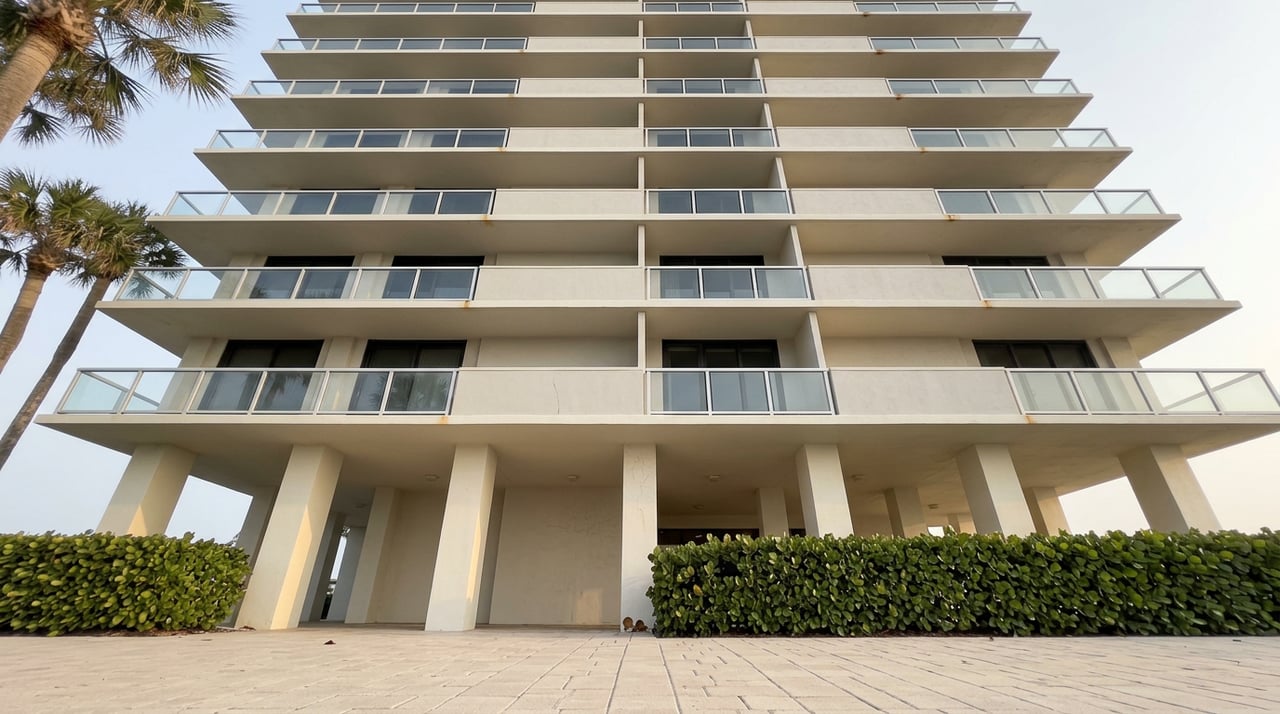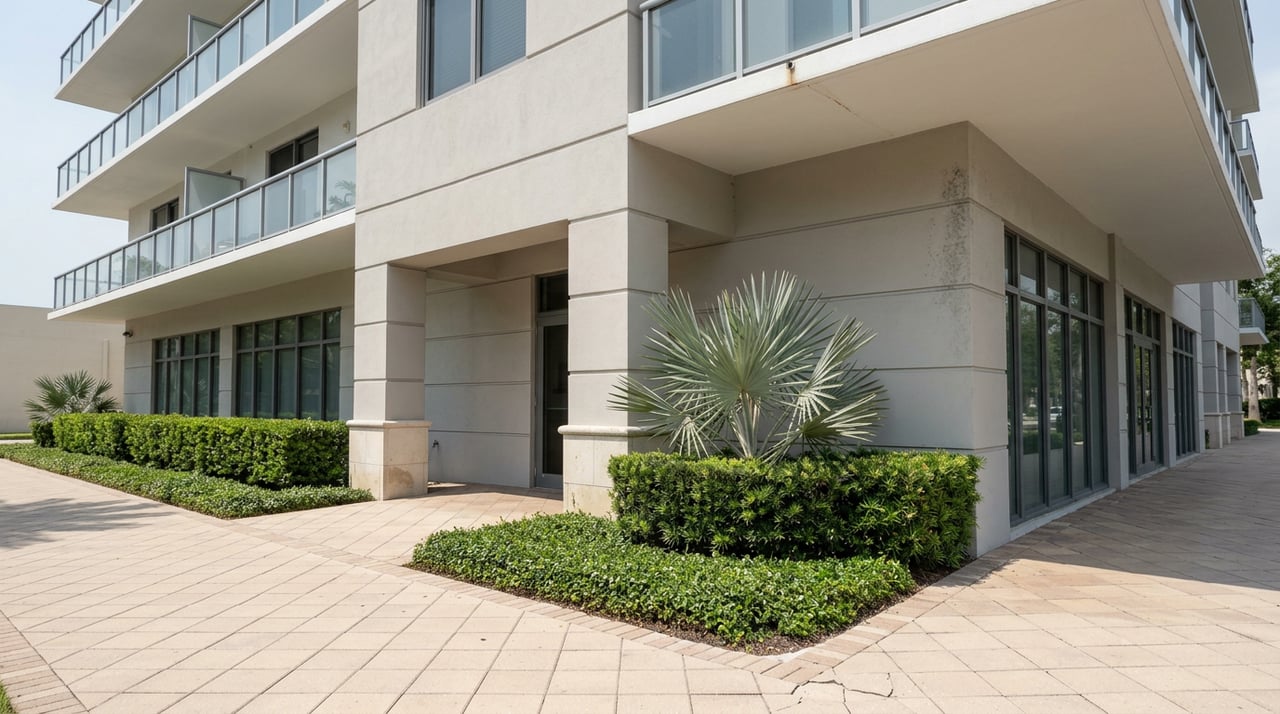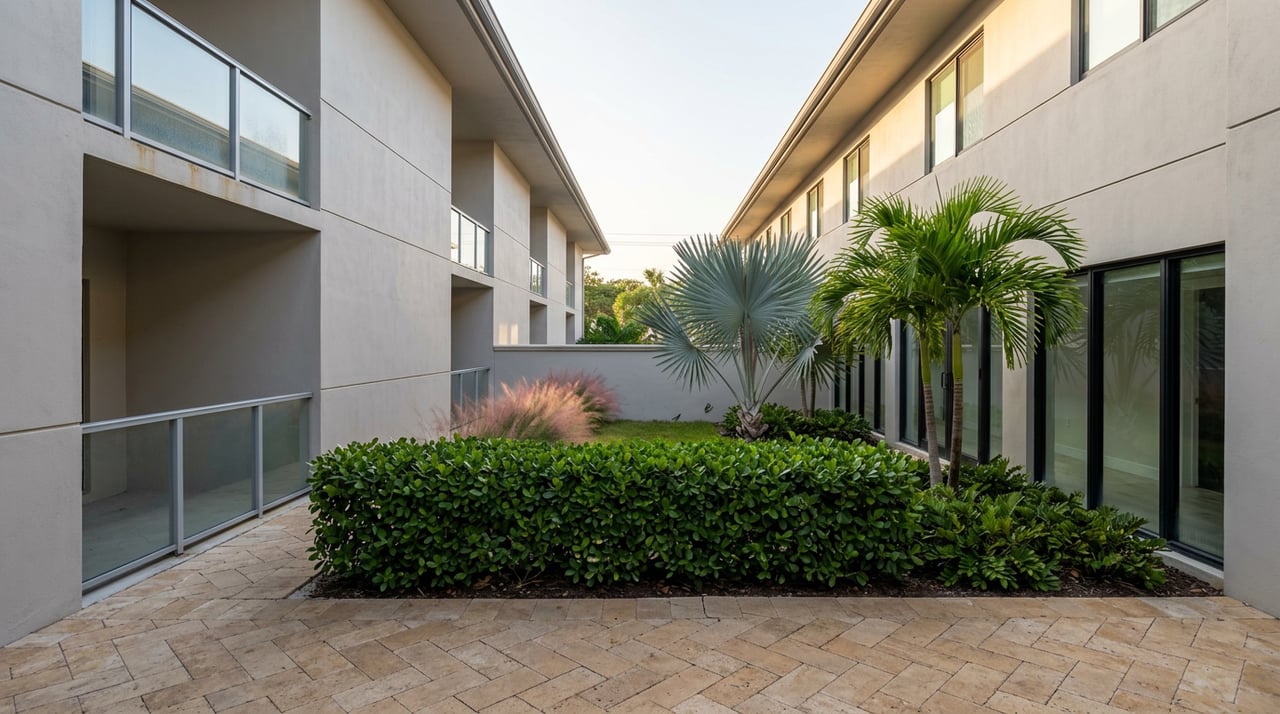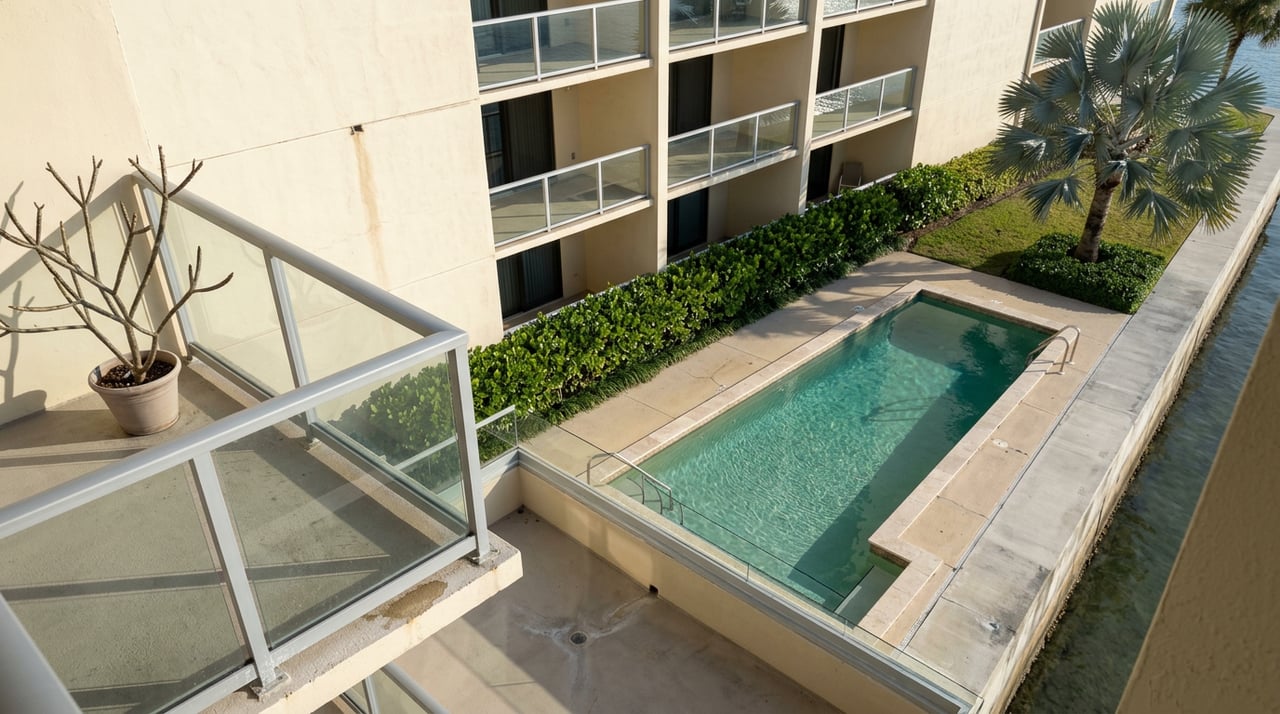
Trying to sell a Treasure Island condo from another state can feel like managing a beach property with one hand tied behind your back. You are juggling timing, access, condo documents, repairs, and closing details without being there in person. The good news is that with the right local support and a clear plan, you can keep the sale organized and avoid last-minute surprises. Let’s dive in.
Why Remote Condo Sales Need More Planning
Selling any home from out of state takes coordination, but Treasure Island adds a few local factors that make preparation even more important. The city is a barrier-island community in Pinellas County, connected by the Treasure Island Causeway and served by Gulf Boulevard.
City planning materials note that Treasure Island is essentially built out, with little room for growth, and that Gulf Boulevard can see flooding during heavy rains and high tides. The city also coordinates ongoing beach-renourishment efforts. For you as a remote seller, that means access, weather timing, and fast document handling can matter more than they would for an inland condo sale.
The market picture also shapes your strategy. As of April 2026, Realtor.com reported a median listing price of $725,000 in Treasure Island, a median sold price of $837,500, 274 active listings, and a median 88 days on market, while describing the city as a buyer’s market.
Broader condo and townhouse data in Pinellas County points in the same direction. The March 2026 county report showed 4,163 active listings, 8.1 months of supply, and 55.3% of closed sales paid in cash. While that is countywide context rather than a Treasure Island condo-only figure, it still suggests that pricing, presentation, and buyer readiness matter.
Price and Presentation Matter More
When buyers have options, your condo needs to show up well from day one. That means strong photography, a clean presentation, and an asking price grounded in current conditions instead of old peak-market expectations.
This is especially important for Treasure Island condos that may attract second-home buyers, investors, or cash buyers. Many of these buyers move quickly when a property feels well prepared, but they also tend to scrutinize condo finances, building condition, and future costs.
If you are selling from out of state, it helps to think of your sale in two tracks at once. One track is marketing the unit well. The other is preparing the paperwork and building information that serious buyers will ask for.
Gather Condo Documents Early
One of the biggest mistakes remote condo sellers make is waiting until they get an offer to start chasing association documents. In Florida, condo associations are required to maintain a wide range of official records, including the recorded declaration, bylaws, articles, insurance policies, accounting records, contracts, bids, permits, inspection reports, and structural integrity reserve studies when applicable.
These records generally must be kept organized, maintained in Florida for at least seven years unless otherwise provided, and made available within 45 miles of the property or within the county within 10 working days after a written request. Associations may also offer electronic access, which can make life much easier when you live out of state.
A strong pre-listing file should include:
- Recorded declaration and bylaws
- Current rules and regulations
- Association insurance contact information
- Recent budgets and financial statements
- Reserve information
- Any structural integrity reserve study that applies
- Any milestone inspection summary that applies
Keeping these items in a shared digital folder can save time once offers start coming in. It also helps your agent, closing team, and potential buyers move through questions faster.
Know Why Reserve Studies Matter
For many Florida condo sales, reserve and building-condition documents have become central to buyer decision-making. Under Florida law, residential condominium buildings that are three habitable stories or higher must have a structural integrity reserve study at least every 10 years.
Existing owner-controlled associations had to complete that study by December 31, 2025. The association must give owners a copy or notice that it is available within 45 days.
The study covers major components such as:
- Roof
- Structure
- Fire protection systems
- Plumbing
- Electrical systems
- Waterproofing and exterior painting
- Windows and exterior doors
- Other high-cost deferred-maintenance items
For you as a seller, this document helps frame questions about future repair risk and reserve strength. Buyers may look closely at it when deciding how much they are willing to pay and how comfortable they feel moving forward.
Set Up a Local Point Person
If you are not nearby, you need someone local who can keep the process moving. That can be especially helpful in Treasure Island, where weather, traffic access, and condo-building logistics can affect scheduling.
A local point person can help with tasks like:
- Meeting vendors for repairs or paint touch-ups
- Coordinating cleaners and stagers
- Overseeing photography
- Managing showings and access
- Requesting and organizing condo records
- Monitoring any building-related updates that affect your sale
Florida law allows associations to offer electronic inspection of records and to let an owner or authorized representative use a portable device to scan or photograph records. That gives your local representative more flexibility to gather what is needed without requiring you to fly in.
Handle Repairs Before You List
Buyers looking at Treasure Island condos often pay close attention to condition, insurance, and possible future assessments. That is not surprising in a barrier-island setting where building maintenance and association planning can carry more weight in the decision.
If your condo needs minor work, do it before photography and showings whenever possible. A short punch list can make a meaningful difference in how your property is perceived online and in person.
Focus on simple items first:
- Touch-up paint
- Deep cleaning
- Light fixture or hardware replacement
- Minor maintenance issues
- Basic cosmetic refreshes
Small fixes can help reduce buyer hesitation. They also help your condo feel cared for, which matters when buyers are already reviewing association records and financial details closely.
Order the Estoppel Early
The estoppel certificate is one of the most important condo closing documents in Florida. It brings money and transfer details to the surface early, which is exactly what you want when you are selling remotely.
Florida law requires the association to issue the estoppel within 10 business days of a written or electronic request. It must list key details such as regular assessments, special assessments, transfer fees, capital contribution fees, open violations, whether board approval is required for transfer, any right of first refusal, and association insurance contacts.
That matters because sellers are sometimes surprised by what appears on the estoppel. If there is a special assessment, an unresolved violation, or an approval requirement, it is far better to know before closing is near.
The estoppel’s effective period depends on delivery method. It stays effective for 30 days if hand-delivered or emailed, and 35 days if mailed. In a normal case, the fee is capped at $250, with different limits for expedited or delinquent accounts.
You May Not Need to Return for Closing
One of the most common questions out-of-state sellers ask is whether they need to fly back to Florida to close. Often, the answer is no.
Florida’s online notarization law allows a Florida online notary who is physically located in Florida to notarize documents even when the person signing and the witnesses are outside the state. The notarization is treated as having been performed in Florida, and a principal outside the state must consent to that Florida notarization.
In practical terms, this can make remote closing much easier if the title company and the document type support that workflow. It can remove the need for a last-minute trip and help you sign on schedule from wherever you live.
Track Recorded Documents After Closing
Even after signing, remote sellers often want peace of mind that the closing documents were actually recorded. In Pinellas County, the Clerk serves as the county recorder for Official Records, and the county provides online public access and e-recording through vendors.
Recorded images are available online immediately upon recordation. That makes it practical to confirm that the deed and related closing documents were entered into the public record without having to be in Florida.
A Simple Remote-Sale Game Plan
If you want the process to feel more manageable, break it into a clear sequence. Most out-of-state Treasure Island condo sales go more smoothly when you:
- Choose a local agent with Treasure Island and Pinellas condo experience.
- Build a shared digital file for condo and closing documents.
- Gather association records before listing.
- Review reserve, inspection, and building-condition materials early.
- Complete minor repairs and prep before photos.
- Price based on current market conditions, not past assumptions.
- Order the estoppel early enough to avoid closing delays.
- Confirm whether remote notarization will work for your closing.
This kind of preparation does not just reduce stress. It can also make your condo more credible in the eyes of serious buyers who want answers quickly.
Selling from out of state is absolutely doable, but Treasure Island condos tend to reward sellers who are organized from the start. If you want local guidance, polished marketing, and hands-on support from a team that knows coastal Pinellas, Shore2Bay Realty can help you plan your sale with confidence.
FAQs
Do I have to travel to Florida to sell my Treasure Island condo?
- Usually not. Florida law allows online notarization in many cases, so you may be able to sign remotely if the title company and document type support that process.
How long does an HOA estoppel take for a Florida condo sale?
- Florida law requires the association to issue the estoppel certificate within 10 business days after a written or electronic request.
What can show up on a Treasure Island condo estoppel certificate?
- The estoppel can show regular assessments, special assessments, transfer fees, capital contribution fees, open violations, approval requirements, right-of-first-refusal language, and association insurance contacts.
Why do condo documents matter so much when selling in Treasure Island?
- Florida condo law gives buyers broad access to association records, and Treasure Island’s barrier-island setting makes building condition, reserves, insurance contacts, and possible future costs especially relevant.
What documents should I gather before listing a Treasure Island condo from out of state?
- Start with the declaration, bylaws, current rules, insurance contacts, recent budgets and financials, reserve information, and any structural integrity reserve study or milestone inspection summary that applies to your building.
What market conditions should Treasure Island condo sellers keep in mind?
- As of April 2026, Treasure Island had 274 active listings, a median 88 days on market, and Realtor.com described it as a buyer’s market, which makes pricing and presentation especially important.