Torn between Treasure Island and St. Pete Beach? You are not alone. Both offer sugar-white sand, Gulf sunsets and a laid-back Florida lifestyle, but they feel different once you start walking the neighborhoods. In this guide, you will compare vibe, access, housing, costs and rules so you can choose with confidence. Let’s dive in.
Big-picture differences
Vibe and everyday feel
If you want a lower-key, Old Florida pace with friendly beach bars and cottage pockets, you will likely lean Treasure Island. Sunset Beach at the island’s south end is known for relaxed sand-side spots and local hangouts, a tone echoed by travel coverage of the beach corridor that highlights its casual character (best beaches overview).
If you prefer small walkable hubs with more restaurants, boutiques and a few historic anchors, St. Pete Beach often delivers that blend. The Corey Avenue district brings dining and retail into an easy stroll, while Pass-a-Grille and the iconic Don CeSar give the city distinct landmarks and a community calendar that feels a bit more built out (city overview and resources).
Nearby, Treasure Island residents also dip into John’s Pass in Madeira Beach for a major waterside boardwalk scene with restaurants, shops and charters, which adds variety a few minutes up the road (John’s Pass Village).
Housing mix and property types
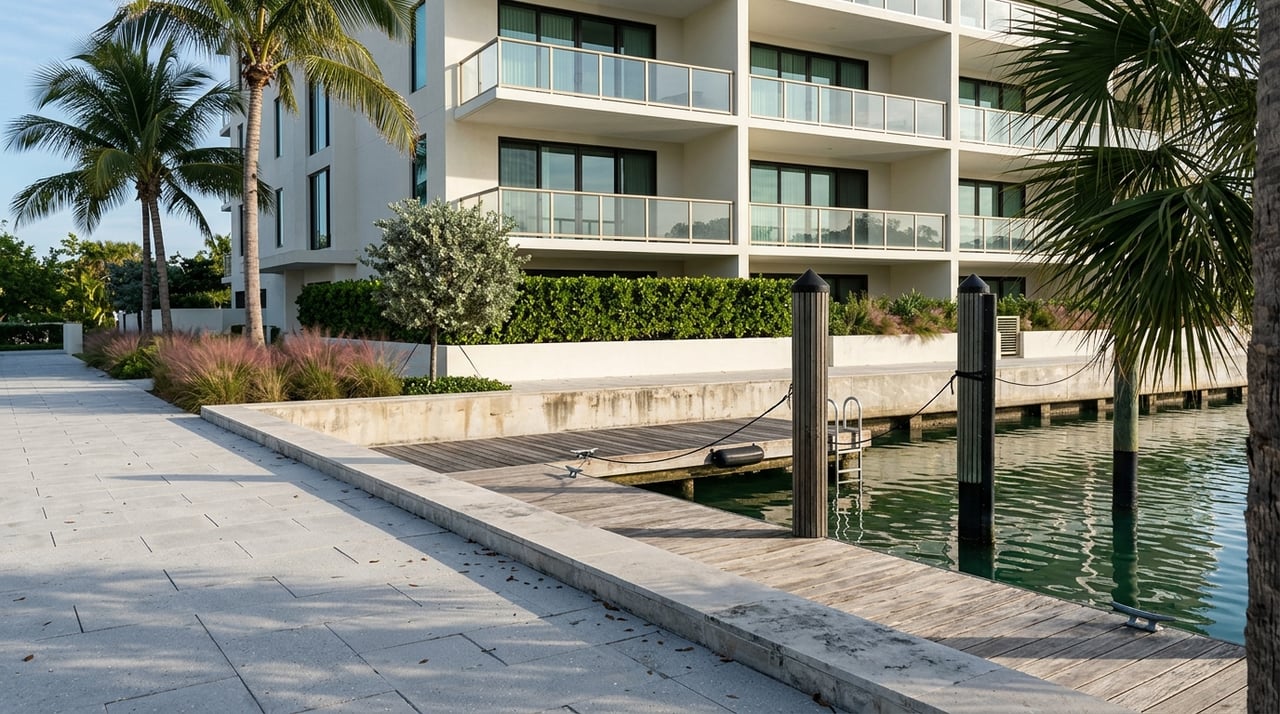
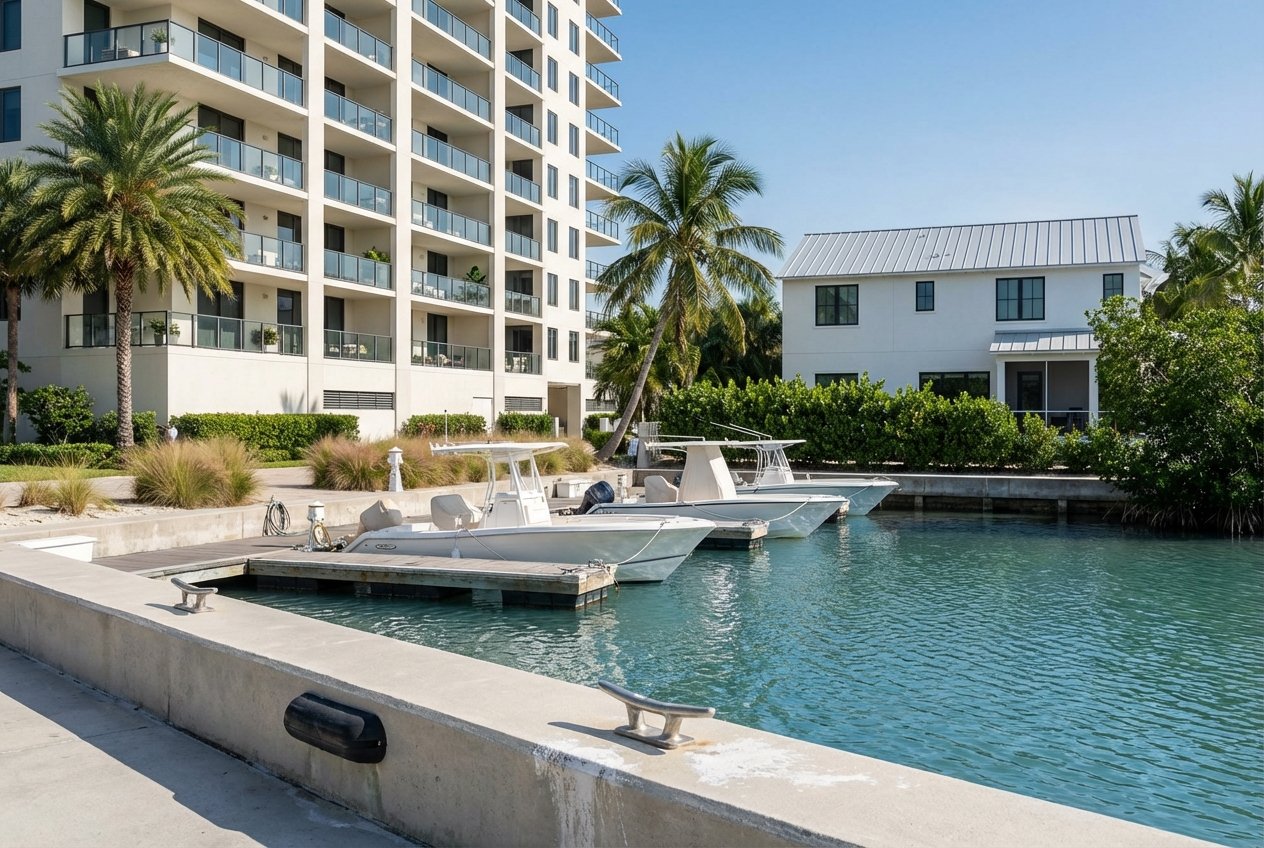
Both islands are heavy on condos by the beach, mixed with single-family homes inland or along the bayside. Treasure Island skews more multifamily overall, which means you will see many mid-rise condo buildings on Gulf Boulevard and a strong supply of condo options across price points. Data summaries of Treasure Island’s housing inventory show a large share of units in multifamily buildings, which tracks with what you see on the ground (housing summaries).
St. Pete Beach features a broader spread of detached single-family homes alongside its condo corridors, especially north of the Don Cesar and into established neighborhoods off Corey Avenue. The net result is that both places offer condos, waterfront homes and cottages, but St. Pete Beach often has a wider single-family selection while Treasure Island frequently presents more condo choices.
Getting around and access
Causeways and drive times
Treasure Island’s main east–west link is the Treasure Island Causeway, an historic route that carries you into the heart of St. Petersburg. Local reporting and planning notes often reference its role as the island’s primary connector for daily trips (Causeway context).
St. Pete Beach ties to the mainland at several points, including the Corey Causeway to the north and the Pinellas Bayway at the south end. These links have periodic maintenance and improvement projects, so it helps to watch local updates if you commute regularly (FDOT project listings).
From either island, you have a short drive into downtown St. Petersburg. Travel time varies with season and beach events, so plan around peak weekends and holidays.
Trolley and car-light options
You can skip the car for many errands. The Suncoast Beach Trolley runs the beach corridor from Clearwater Beach through Madeira Beach and Treasure Island down to St. Pete Beach, with connections into the broader Pinellas Suncoast Transit Authority network. It is a practical option for dining, beach-hopping and linking to mainland stops without parking stress (PSTA trolley info).
Housing and pricing
What you will see
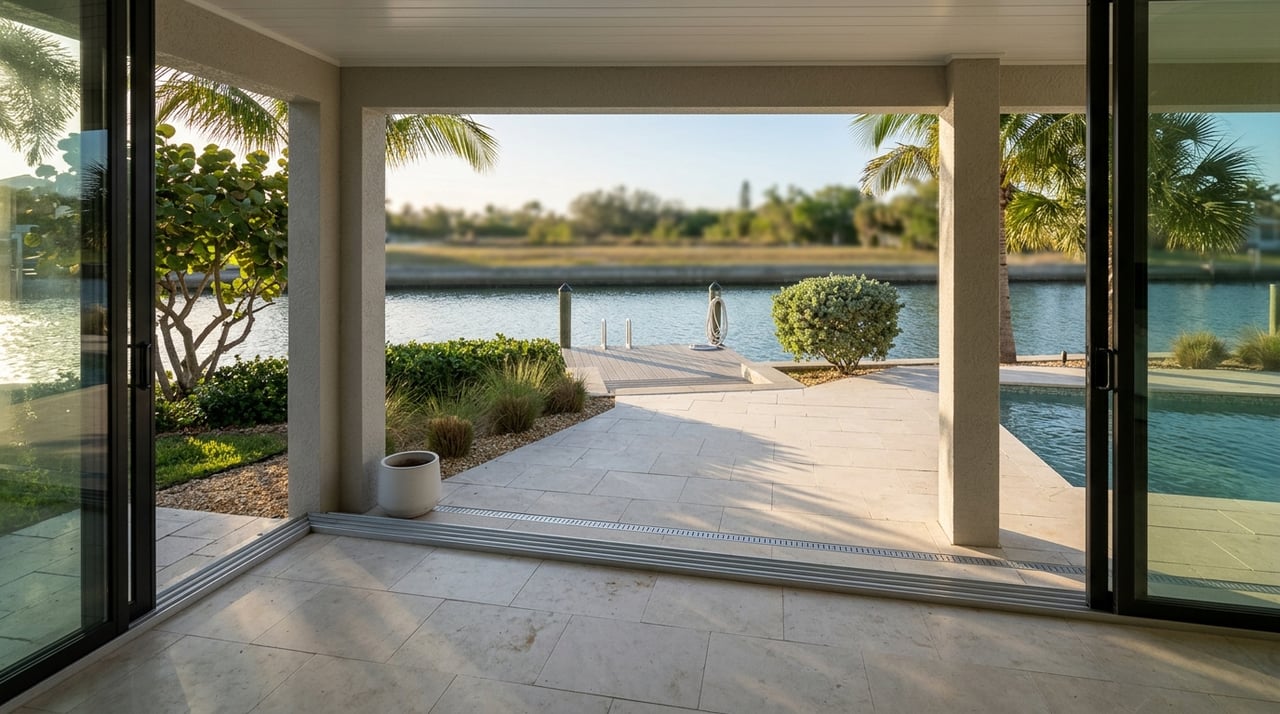
- Treasure Island: Gulf-front and Gulf-view condos, mid-rise buildings on Gulf Boulevard, bayside homes with docks in canal neighborhoods like Isle of Palms and Paradise Island, and cottage pockets in Sunset Beach.
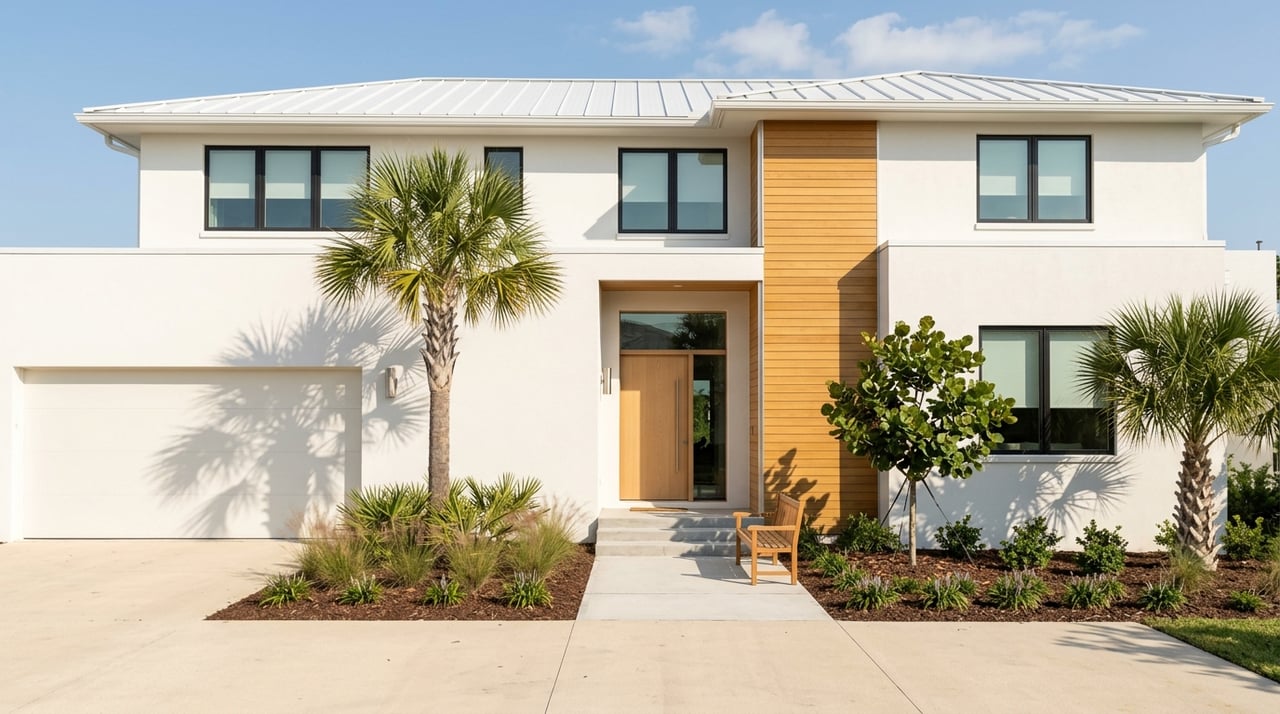
- St. Pete Beach: Mid-century single-family neighborhoods, beach bungalows near Pass-a-Grille, and a mix of condo buildings and resort properties along Gulf Boulevard and around Corey Avenue.
Price bands to expect
Both islands are premium coastal markets. Property values vary widely by micro-location and building health. Many condos and smaller homes trade in the mid six figures to low seven figures, while prime Gulf-front residences and large bayfront homes reach higher price points. Because different market trackers use different methods, look at current local snapshots and recent comparable sales to dial in your target band before you write an offer.
Costs and risks to budget
Condo rules and reserves
If a condo is on your shortlist, factor in both monthly HOA fees and long-term capital planning. Florida adopted milestone inspection and reserve-study requirements after the Surfside tragedy. Qualifying buildings must complete periodic structural inspections, follow up on issues and fund reserves, and associations are adapting budgets and timelines to comply. Before you buy, review the inspection status, any Phase 2 findings and current reserves so you understand potential special assessments and financing impacts (overview of post‑Surfside requirements).
Flood, wind and insurance
Barrier islands carry elevated exposure to flood and wind. Many beachfront and bayside properties sit in mapped FEMA flood zones, which often triggers flood insurance requirements for financed purchases. Building safety and insurance guidance in Florida underscores the importance of elevation data, roof and window upgrades, and compliance with current codes for coastal properties. Ask for an Elevation Certificate, review recent permits and obtain multiple flood and homeowners quotes early in your process (Florida building and safety context).
Short-term rentals reality
Short-term rental use is common across the beach corridor, but rules vary by city, zoning and HOA. Some buildings permit short stays, others require minimum lease terms or ban them entirely. Always verify the current ordinance for the city and read the condominium bylaws before you assume rental income. St. Pete Beach publishes city resources and contacts to help owners navigate local code and permitting, and Treasure Island has similar channels through city departments (St. Pete Beach city resources).
Decision checklist
Use these questions to narrow your fit quickly:
- How much nightlife and walkability do you want?
- If top priority is a denser dining and retail scene in small hubs, lean St. Pete Beach near Corey Avenue or Pass-a-Grille. If you prefer quiet beach bars and cottage streets, look closely at Treasure Island, especially Sunset Beach (beach corridor overview).
- Will you live year-round or rent seasonally?
- Condos exist in both markets and can be easier to operate for seasonal use, but verify STR rules in the association and city. If full-time privacy and a private dock matter, Treasure Island’s bayfront pockets often line up with those goals.
- Do you need boat access or a private dock?
- Treasure Island’s canal neighborhoods like Isle of Palms and Paradise Island often offer bayside docks and convenient water access. St. Pete Beach also has waterfront options, but inventory patterns can differ block by block.
- How tolerant are you of HOA and inspection risk?
- To avoid immediate uncertainty around inspections and reserve catch-ups, consider newer buildings with recent reports or single-family homes, then weigh flood and wind coverage as part of that trade-off (condo inspection overview).
- How important are commute and car-light options?
- If you want to minimize driving for dinner or errands, focus on St. Pete Beach near Corey Avenue and Pass-a-Grille, or Treasure Island near its town center and Sunset Beach. The Suncoast Beach Trolley connects the corridor and can extend your car-free radius (PSTA trolley info).
Micro-areas to explore
Treasure Island highlights
- Sunset Beach: Laid-back sand-side bars, cottage streets and a more local feel, especially at sunset hour (beach corridor overview).
- Isle of Palms and Paradise Island: Canal and bayfront homes with docks and easy access to the Intracoastal.
- Town center on Gulf Boulevard: Compact strip of eateries and services, with quick access to John’s Pass for broader dining and charters (John’s Pass Village).
St. Pete Beach highlights
- Corey Avenue: Walkable shops and restaurants in a traditional main-street layout, plus seasonal events.
- Pass-a-Grille: Historic, highly walkable village character and nightly sunset routines along the beach.
- Don CeSar area: A landmark hotel zone with resort amenities and a central location for beach days, dining and meetings (city overview and resources).
Due diligence checklist
Before you make an offer on either island, verify the following:
- Flood exposure: Confirm the property’s FEMA flood zone and Base Flood Elevation, request an Elevation Certificate and price both NFIP and private flood options early (Florida building and safety context).
- Condo health: Request milestone inspection reports, any Phase 2 findings, structural reserve studies, and details on pending or recent special assessments (post‑Surfside requirements).
- HOA rules and budgets: Read 12 to 24 months of board minutes and current budgets, and confirm leasing and STR rules in writing.
- Local code: Check city resources for parking, noise and rental enforcement points that apply to your address (St. Pete Beach city resources).
- Access and transit: Map your daily routes, then ride or review the Suncoast Beach Trolley schedule for car-light options (PSTA trolley info).
- Causeways and projects: Review current and upcoming work on the Corey Causeway and Pinellas Bayway if St. Pete Beach is in play, and note Treasure Island Causeway updates for daily reliability (FDOT project listings, Causeway context).
Both Treasure Island and St. Pete Beach deliver the Gulf lifestyle. Your best fit comes down to vibe, proximity to the amenities you use most, and your comfort with coastal ownership details like inspections, reserves and flood coverage. If you want a sounding board who knows the buildings, the causeways and the micro-markets, reach out to Shore2Bay Realty for a local plan that fits your goals.
FAQs
What is the main difference in vibe between Treasure Island and St. Pete Beach?
- Treasure Island often feels quieter and more local with cottage pockets and beach bars, while St. Pete Beach has denser walkable dining and landmark districts like Corey Avenue and Pass-a-Grille (city overview, beach corridor overview).
How do you get from the islands to downtown St. Petersburg?
- Treasure Island connects via the Treasure Island Causeway, and St. Pete Beach links by the Corey Causeway and Pinellas Bayway; both are short drives with traffic that varies by season (FDOT listings, Causeway context).
Are Florida’s new condo inspections a big deal for buyers?
- Yes, milestone inspections and reserve studies can affect budgets, assessments and financing; review inspection status, Phase 2 items and reserves before you commit (post‑Surfside requirements).
What should I know about flood and wind insurance on the barrier islands?
- Many properties are in mapped flood zones that require flood policies for loans; request an Elevation Certificate and compare private and NFIP quotes, and confirm roof, window and code updates (Florida safety context).
Can I use a condo for short-term rentals on either island?
- It depends on city rules and your building’s bylaws; verify local ordinances and association leasing rules in writing before assuming rental income (St. Pete Beach resources).