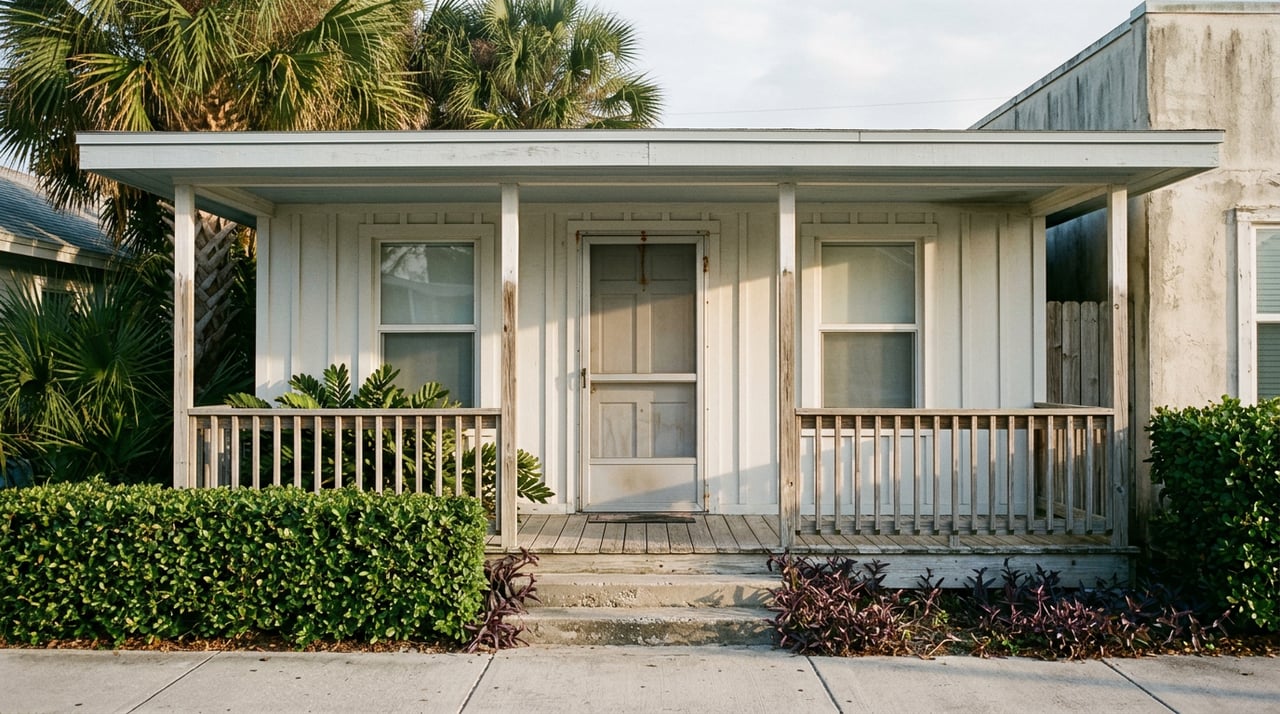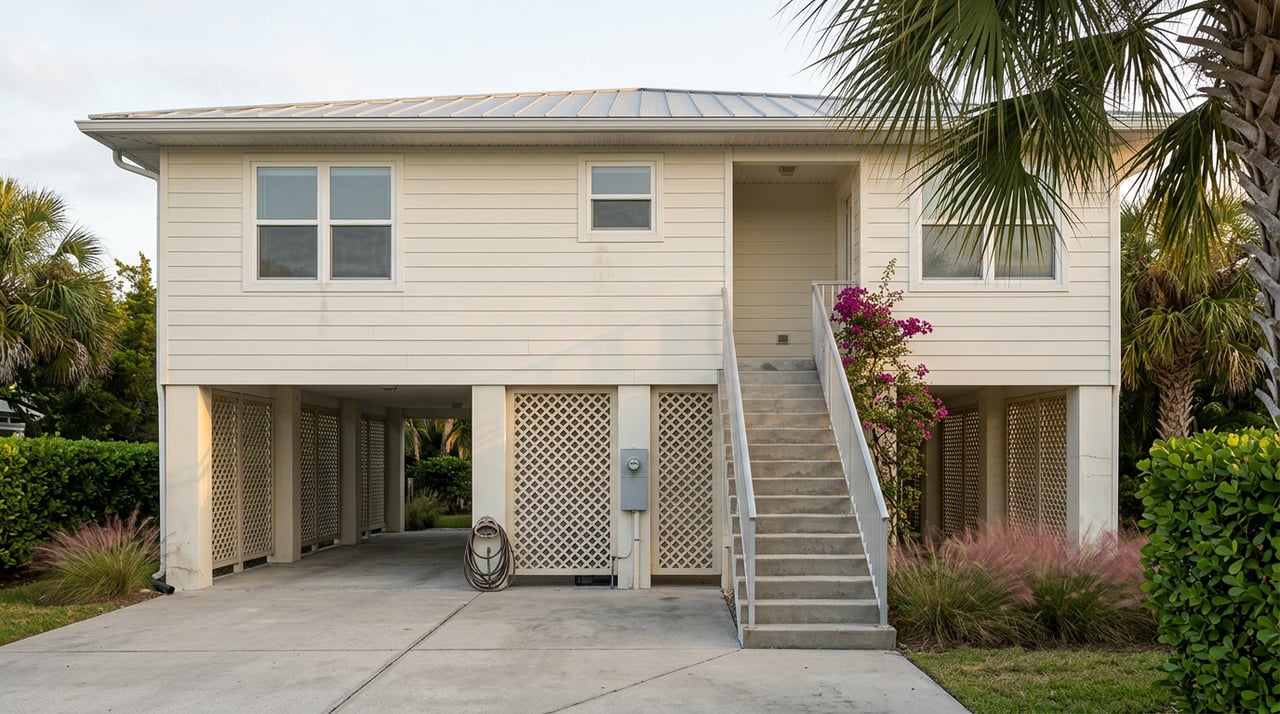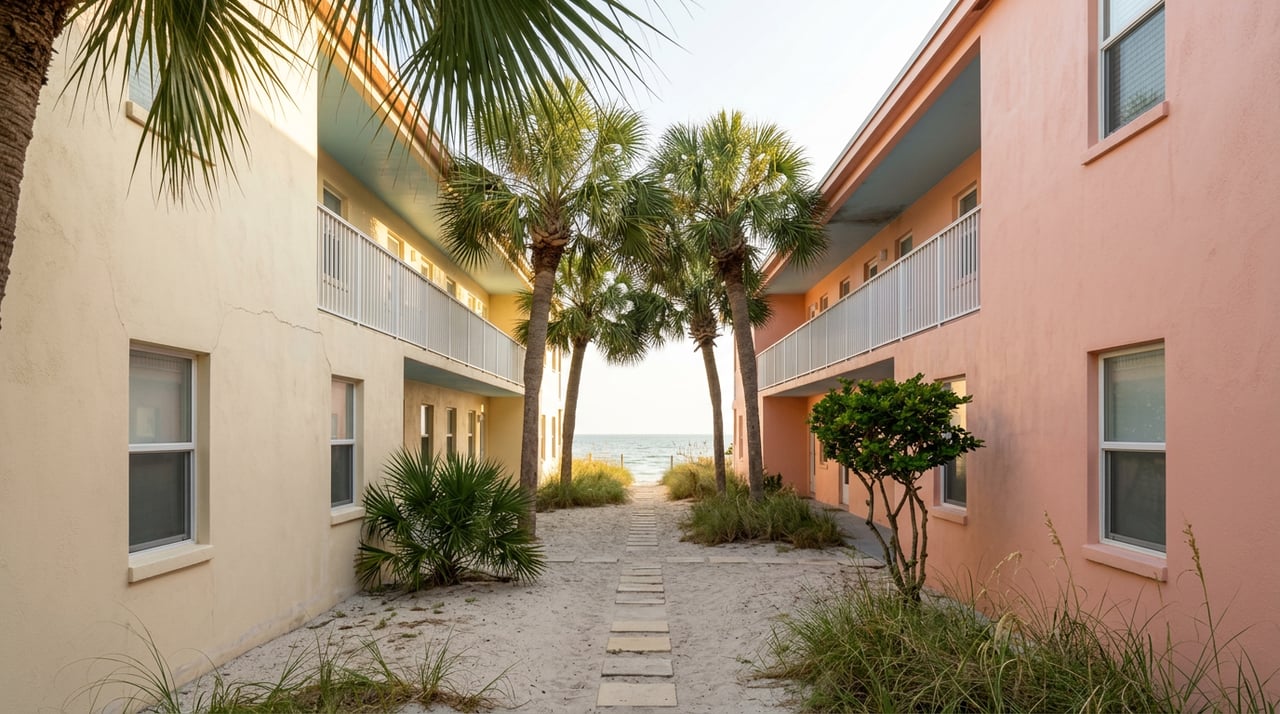
Trying to choose between a condo and a single-family house near Clearwater and Belleair? You’re not alone. Many move-up buyers and downsizers wrestle with cost, maintenance, flood risk, and lifestyle tradeoffs along this coastline. In this guide, you’ll get a clear look at recurring costs, building safety rules, amenities and walkability, privacy, financing, and rental flexibility so you can decide with confidence. Let’s dive in.
Market snapshot: Belleair vs Clearwater
If you want beach proximity at a lower entry price, condos in Clearwater and near Sand Key often make that possible. Recent local snapshots show Clearwater’s median sale price around the high $300s, with many condos ranging from the low $200s to $600k+ depending on size and distance to the sand. Beachfront or water-view units command premiums.
If you want a private lot, yard, or dock, single-family homes in Belleair and Belleair Beach offer that flexibility but at higher prices. Belleair’s move-up homes often land in the mid six figures and up, while Belleair Beach typically runs in the high six to seven figures due to beachfront scarcity and lot value. The key takeaway: you usually trade price for privacy and land.
Cost of ownership: condo vs house
HOA, maintenance, and who handles what
In a condominium, the association typically covers the exterior, roof, common areas, elevators, and shared systems through monthly fees. Florida’s Condominium Act explains the split between association responsibilities and what unit owners must insure or maintain inside the walls. You should verify coverage specifics by reviewing the association master policy and declaration under Florida Statute Chapter 718. Florida law clarifies these responsibilities.
With a single-family house, you manage and pay for exterior upkeep yourself. That can mean budgeting for roof work, landscaping, painting, pool care, and possibly seawall maintenance if you are on the water. While you avoid mandatory condo dues, you carry the line-item maintenance and scheduling.
Insurance and flood risk on the coast
Along the Clearwater and Belleair coastline, flood and wind exposure shape annual costs. Many barrier-island properties fall in FEMA Special Flood Hazard Areas such as AE or VE. If a lender maps the property in a Special Flood Hazard Area, flood insurance is typically required. You can confirm the FEMA flood zone for any address using the Pinellas County Flood Map Service.
Florida property insurance premiums remain elevated in coastal zones. Condo buyers should check the association’s master policy, which may include wind or flood coverage for the building, then obtain an HO-6 policy for the unit interior, contents, liability, and potential loss assessment. Homeowners should expect wind mitigation to be a factor in pricing and consider separate flood coverage if mapped in a flood zone. For broader market context on insurance, review the Florida Office of Insurance Regulation’s reports on property insurance trends and stability in the state. See the latest OIR analysis here.
Safety inspections and reserve funding for condos
If you are considering a mid- or high-rise condo, pay special attention to Florida’s newer inspection and reserve rules. Buildings that are three habitable stories or taller must undergo milestone structural inspections at 30 years (or 25 years if required due to coastline proximity) and then every 10 years. Review the milestone inspection statute.
Associations subject to Structural Integrity Reserve Studies must also budget for and fund reserves for key structural items. For budgets adopted on or after December 31, 2024, associations can no longer simply waive required reserves for SIRS-listed components. This can increase monthly dues or lead to special assessments in older coastal buildings. Learn more about SIRS and reserve funding requirements.
Bottom line: condos package exterior maintenance for you, but association health matters. Always review current budgets, reserve studies, and inspection reports to understand future cost exposure.
Lifestyle tradeoffs: walkability, privacy, water access
Walkability and beach access
If you want to step out to beaches, restaurants, and resort amenities, condos near Clearwater Beach and Sand Key often deliver the most walkable lifestyle. That convenience is a big reason downsizers and seasonal residents favor condo living. Expect more energy, seasonal tourism, and quick access to the sand.
Space, privacy, and control
If you prioritize privacy, a yard, or a garage workshop, a single-family house in Belleair or on the islands offers more space and control. You can personalize your landscaping, add a pool, or rework outdoor areas without navigating condominium rules. In a condo, shared walls and common areas increase rule-based living but reduce upkeep.
Boating, docks, and seawalls
Single-family waterfront lots on bays and canals can support private docks or boat lifts, but permits are required and local rules apply. In this market, you will coordinate with municipal planning and the Pinellas County Water & Navigation Control Authority. Clearwater publishes guidance on marine dock permitting that illustrates the added steps and standards. Review Clearwater’s marine dock permit guidance.
Condominiums may offer shared slips or association marinas, but deeded private slips are less common and often limited. Always verify recorded dock rights, HOA rules, and the permitting path before you buy.
Financing and renting: what to know
Financing a condo purchase
Conventional and government-backed lenders look at the entire condo project, not just your unit. If a building does not meet agency project standards, you might face higher down payment needs, limited loan products, or the need for a single-unit approval. Before writing an offer, ask your lender whether your target building is eligible for your preferred loan type. Review Fannie Mae’s condo project standards.
Rental rules and short-term stays
Your ability to rent depends on both the condo’s governing documents and local regulations. In Pinellas County, short-term rental hosts must comply with a county program that includes registration and inspections, and municipalities can set additional limits. See Pinellas County’s STR program overview.
Within the Town of Belleair, short-term rentals shorter than seven months are not allowed. This is a critical difference if you plan to generate vacation-rental income. Always confirm the exact jurisdiction of a property and review association rules carefully. You can find Belleair’s governing framework in the Town of Belleair Code of Ordinances.
Decision checklist for Belleair and Clearwater buyers
Use this checklist to compare options and manage due diligence:
- Flood zone and elevation. Confirm the FEMA FIRM flood zone for the address using the Pinellas County Flood Map Service. If in AE or VE, price flood coverage and consider getting an elevation certificate.
- Insurance quotes. Request an HO-3 (house) or HO-6 (condo) quote and a separate flood quote. Compare combined annual premiums to your projected mortgage and taxes. For broader context, consult the Florida OIR property insurance reports.
- Condo documents. Ask for the current budget, latest reserve study and any Structural Integrity Reserve Study, milestone inspection reports for buildings 3+ stories, the master insurance policy including deductibles, board minutes from the last 12–24 months, pending or recent special assessments, litigation updates, and rental policy details.
- Association health. Review reserve funding levels and delinquency rates. Confirm whether the association is on track to fund SIRS-listed items and whether large repairs or assessments are planned.
- Lender check. Confirm condo project eligibility for your loan type before you write. Ask how project status could affect future refinancing. Reference Fannie Mae’s project standards.
- Waterfront improvements. If you plan a dock or lift, verify riparian rights, any recorded easements, and the permitting steps with the municipality and county authorities. For process context, see Clearwater’s marine dock guidance.
- Taxes and homestead. Estimate property taxes using the Pinellas County Property Appraiser resources and learn how the Save Our Homes cap can affect long-term costs. Start with the Property Appraiser’s Save Our Homes page.
- Lifestyle priorities. Rank what matters most: walk-to-beach convenience, low maintenance, private yard, garage, boating, quiet streets, or rental flexibility. Let this list guide tradeoffs between condo amenities and single-family privacy.
A quick affordability formula
To compare apples to apples, calculate: total monthly housing cost = mortgage principal and interest + property taxes + homeowners or condo insurance + flood insurance if applicable + HOA or condo dues if applicable + routine maintenance estimate for houses. Then compare that total to your budget and preferred lifestyle.
Which one is right for you?
Choose a condo if you want lock-and-leave convenience near the beach, predictable exterior maintenance, community amenities, and walkability to restaurants and parks. Expect monthly dues and pay close attention to association reserves, inspection findings, and the building’s project eligibility for your financing.
Choose a single-family house if you value privacy, a yard, a garage or workshop, or the option to add a pool or dock. Budget for higher hands-on maintenance and potentially higher insurance in coastal zones, especially on the barrier islands. If you plan to boat or remodel, confirm permitting paths early.
Not sure where you land? A side-by-side of total monthly cost, plus your top three lifestyle priorities, usually makes the answer clear.
If you want a local sounding board who knows these tradeoffs street by street in Belleair, Belleair Beach, and Clearwater, reach out to Shore2Bay Realty. We can help you model costs, request the right condo documents, and identify options that fit your life today and your plans tomorrow.
FAQs
What costs differ most between a condo and a house near Clearwater and Belleair?
- Condos often have lower entry prices but include monthly HOA dues and possible special assessments, while houses avoid condo dues but require higher private maintenance and insurance budgeting.
Do condo owners on the coast still need flood insurance?
- Yes if required by your lender or to protect your interior and personal property that the association’s master policy does not cover, especially in FEMA Special Flood Hazard Areas verified via the county flood map.
How do Florida’s condo inspection and reserve laws affect me as a buyer?
- Buildings three stories or higher must complete milestone inspections and fund reserves for structural items per SIRS, which can increase dues or lead to assessments in older coastal buildings.
Can I use a Belleair property for short-term rentals like weekly stays?
- No, the Town of Belleair does not allow rentals shorter than seven months, and Pinellas County requires STR registration and compliance in permitted areas.
What condo documents should I request before I buy?
- Ask for the current budget, latest reserve study and SIRS, milestone inspection reports for 3+ story buildings, master insurance details, recent board minutes, and any pending assessments or litigation.
How can condo project eligibility impact my mortgage options?
- If a building does not meet agency standards, you may face higher down payments, fewer loan programs, or need a single-unit approval, so confirm eligibility with your lender before making an offer.