Looking for a St. Petersburg lifestyle where you can stroll to the water, grab dinner without moving your car, and still stay connected to the beach? You are not alone. Many buyers are drawn to St. Pete because a few key areas make coastal living feel more walkable than you might expect in Florida. This guide will help you understand where that walkable, waterfront energy shows up most clearly and what kind of day-to-day experience each pocket offers. Let’s dive in.
Why walkability stands out in St. Pete
St. Petersburg’s most walkable coastal areas cluster in and around downtown, especially along the waterfront and the Central Avenue corridor. According to Discover Downtown St. Pete’s transportation overview, the area is designed for pedestrian-friendly movement with waterfront parks, sidewalks, shops, galleries, and several ways to get around without depending fully on a car.
That setup matters if you want a lifestyle built around convenience and experience. Instead of treating the waterfront, dining, arts, and transit as separate destinations, St. Pete connects many of them into one continuous urban-coastal environment.
Downtown waterfront living
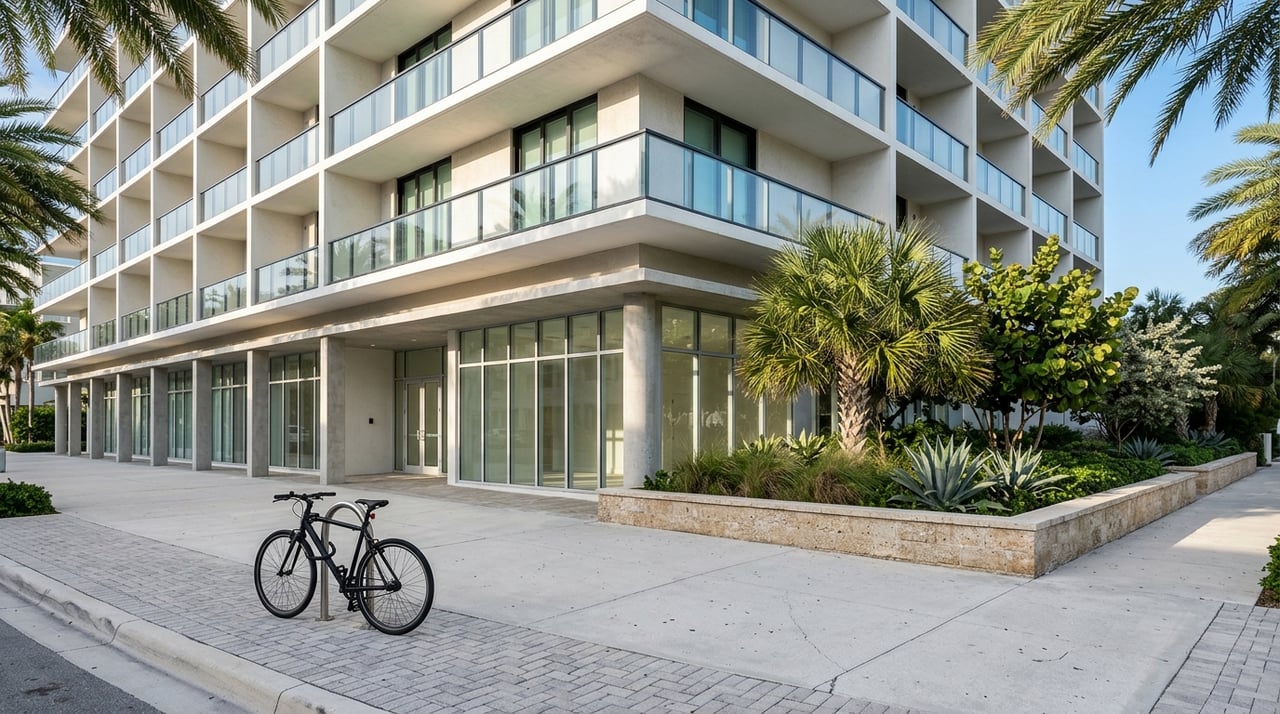
If your ideal day starts with a bayfront walk and ends with dinner near the marina, downtown’s waterfront core is the place to start. This part of St. Pete blends parks, public spaces, cultural venues, and residential density in a way that supports an easy on-foot routine.
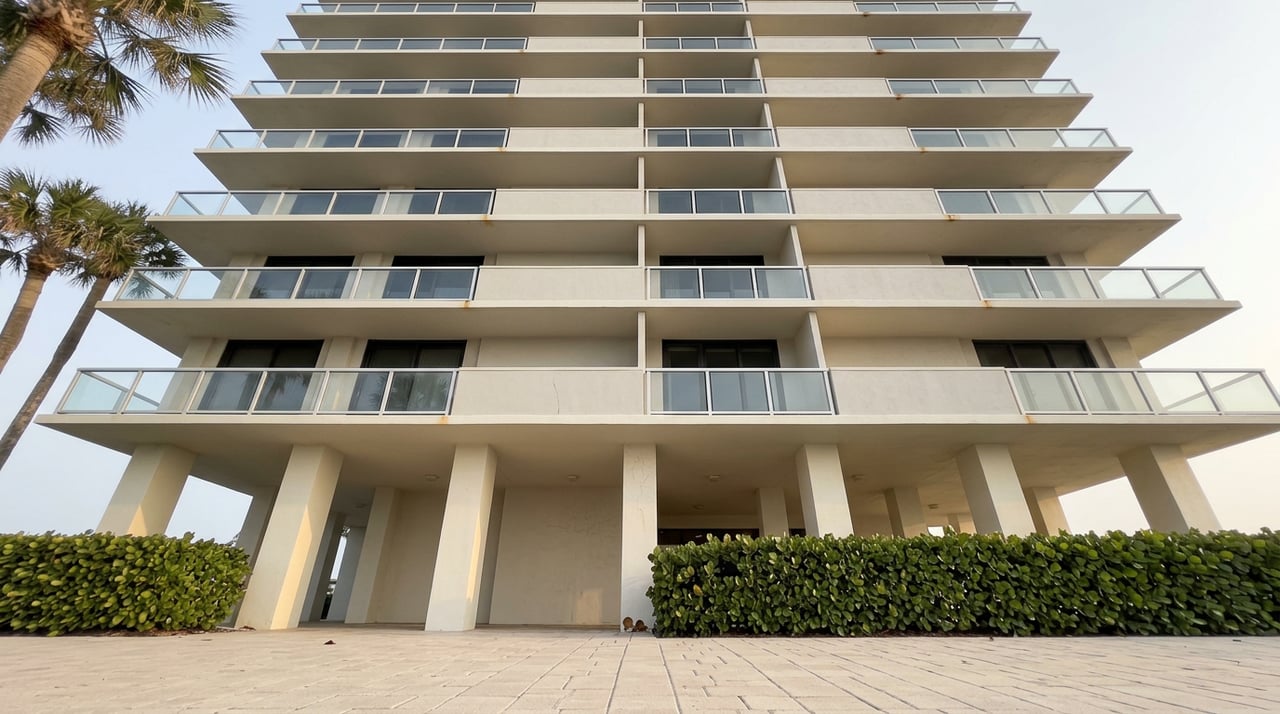
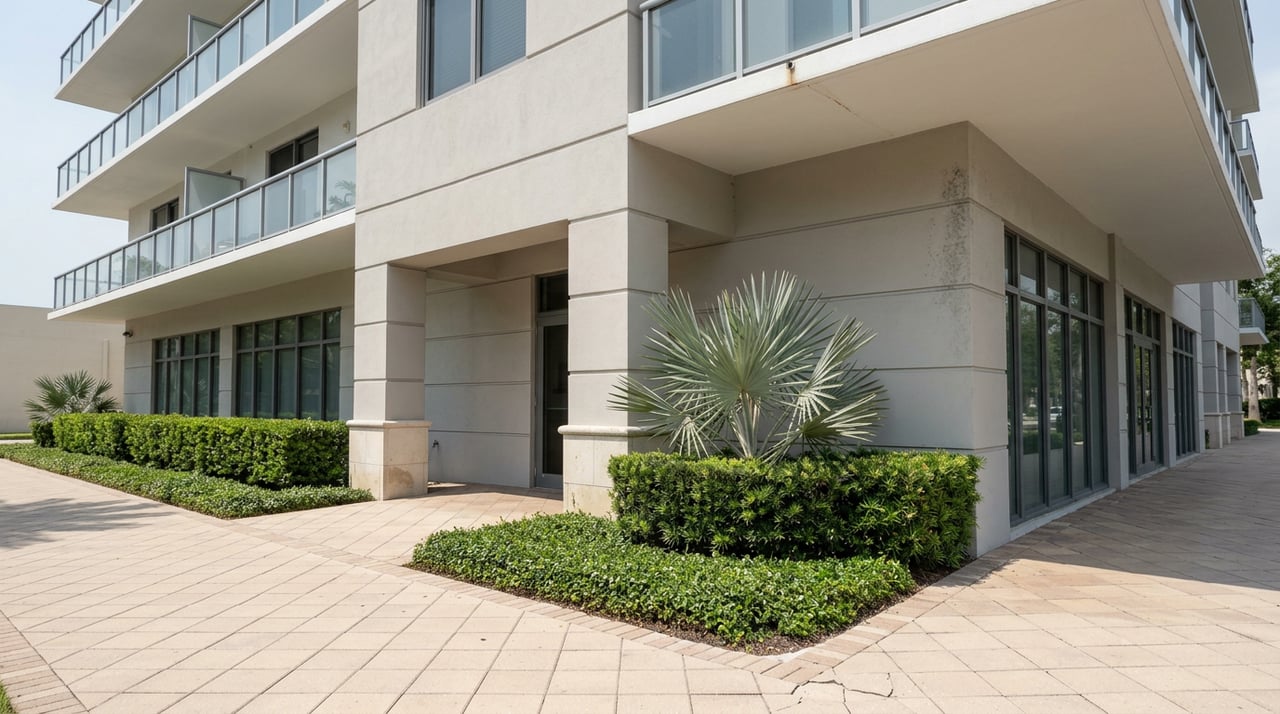
City and downtown materials describe this core as a mix of commercial, residential, and mixed-use development, with multifamily housing more common here than outside the urban core. In practical terms, that often means a stronger condo and apartment presence near the waterfront, along with mixed-use buildings that keep daily errands and leisure close together.
St. Pete Pier and bayfront paths
The St. Pete Pier is one of the clearest examples of coastal walkability in the city. The official site describes it as a 26-acre waterfront destination designed for strolling, biking, dining, shopping, swimming, and events.
The Pier also offers a continuous walking path, views toward the municipal marina, access to Spa Beach, and on-site bike parking. If you picture a neighborhood where the waterfront is not just a backdrop but part of your everyday routine, this area delivers that feeling in a very direct way.
Beach Drive and nearby parks
Just beyond the Pier, the downtown waterfront park system expands the walkable experience. The downtown map includes Vinoy Park, North Shore Park, North Straub Park, South Straub Park, Demens Landing, and Albert Whitted Park as part of the central downtown fabric.
That park network helps explain why Beach Drive and the Vinoy area feel especially pleasant on foot. You are not just walking a street grid. You are moving through a park-lined waterfront edge with marina views, historic facades, and frequent access to open green space.
Waterfront Arts District access
For buyers who want culture woven into daily life, the Waterfront Arts District adds another layer. This district includes The Dalí Museum, the Museum of Fine Arts, the St. Petersburg Museum of History, the James Museum of Western & Wildlife Art, the Mahaffey Theater, and the Palladium.
What makes this area stand out is how naturally the experience flows. You can walk from water views to museums, from parks to restaurants, and from public spaces to events without needing to reset your day around parking.
Central Avenue walkable districts
West of downtown, Central Avenue offers a different version of coastal city living. Instead of a waterfront park setting, you get a lively street scene with murals, shops, dining, arts spaces, and trolley connections that make it easy to stay mobile.
This corridor is ideal if you want walkability to feel energetic and local. It is less about one single destination and more about a chain of connected districts with distinct personalities.
EDGE District street life
The EDGE District is described as an easily strolled Main Street community with palms, murals, historic buildings, eateries, pubs, shops, boutiques, and other local experiences.
For many buyers, this is the kind of walkability that feels most practical. You can step out for coffee, dinner, casual errands, or a night out, all within a district that feels active and visually interesting.
Central Arts and Grand Central
The Central Avenue corridor becomes even more layered as you move through Central Arts and Grand Central. Discover Downtown describes Central Arts as home to the Chihuly Collection, the Morean Arts Center, Florida CraftArt, murals, open studios, and live music.
Grand Central is described as a thriving cultural hub with the Imagine Museum, galleries, antique stores, shops, restaurants, and festivals. If you want your neighborhood rhythm to include art spaces, independent businesses, and regular street activity, this stretch is worth a close look.
Warehouse Arts connection
A few blocks farther south, the Warehouse Arts District extends the corridor’s creative character. Official downtown materials note its evolution from an industrial warehouse area into a district known for the Morean Center for Clay, the Duncan McClellan Gallery, brewery options, and the Second Saturday ArtWalk.
This pocket may appeal to you if you like an urban setting with a creative edge. It adds another walkable layer to the broader downtown-Central corridor without feeling disconnected from the rest of St. Pete.
Getting around without driving everywhere
One reason these districts work so well together is transit. St. Pete’s coastal core is not just walkable within individual pockets. It is also stitched together in ways that make car-light living more realistic.
The SunRunner is especially useful in this conversation. PSTA says it connects Downtown St. Petersburg, Bayfront, the EDGE and Grand Central areas, and St. Pete Beach, with service seven days a week from 6 a.m. to midnight, every 15 minutes during the day and every 30 minutes in the evening.
That route helps create something many Florida buyers are looking for but do not always find: a smoother connection between city living and beach access. The Downtown Looper and Central Avenue Trolley add even more flexibility by linking the Pier, Williams Park, museum areas, Central Avenue, and westbound destinations.
Residential feel by area
Walkability means different things depending on the home style and day-to-day setting you want. In St. Pete, the built environment shifts noticeably from the waterfront core to the nearby residential edges.
Waterfront core housing mix
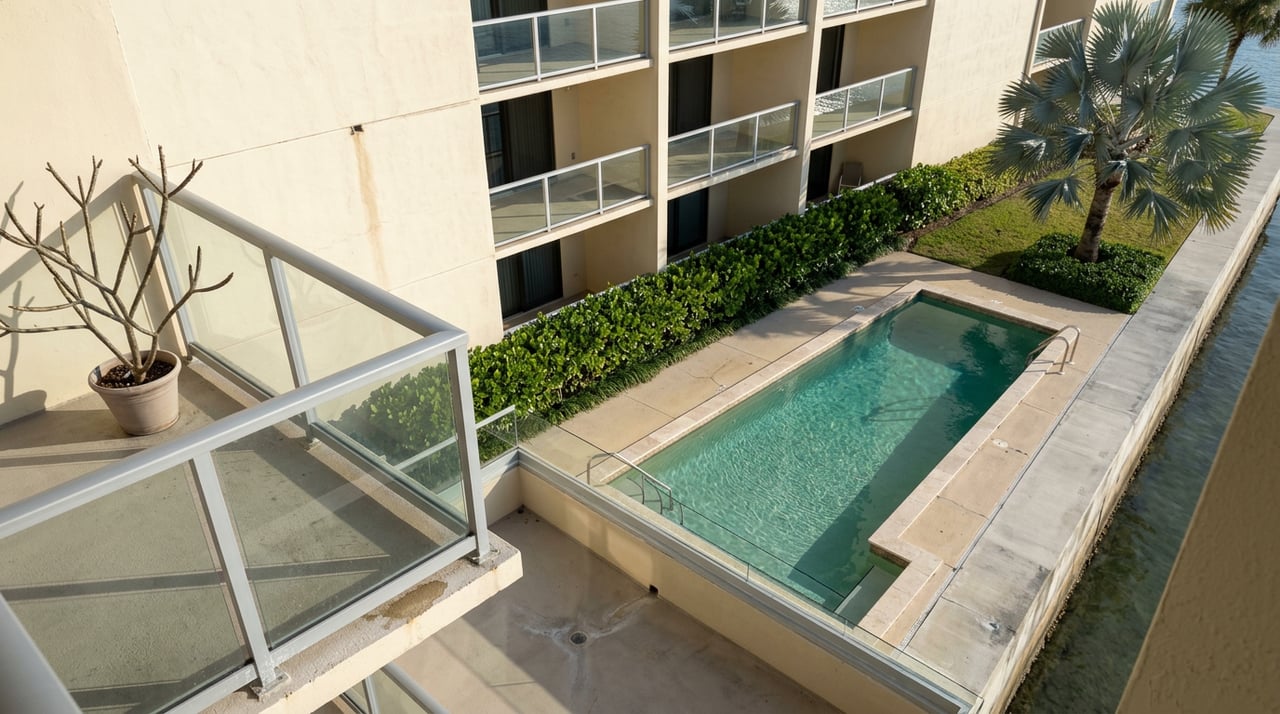
Around the Pier, Beach Drive, and the downtown waterfront, the housing pattern is best understood as more condo-, apartment-, and mixed-use-oriented. That aligns with city planning materials that describe downtown as commercial, residential, and mixed-use, with multifamily units more common in the urban core.
If you want a lock-and-leave setup, close access to parks and museums, or a more vertical coastal lifestyle, this area often fits that goal well.
Historic Kenwood and bungalow character
If you are drawn to walkability but want a lower-rise residential setting, Historic Kenwood adds a different option near the Central Avenue corridor. City documents identify it as a National Register historic district with one of the largest collections of Craftsman-style bungalows in St. Petersburg.
That makes it a useful reference point for buyers who want residential character within reach of the city’s walkable arts and dining zones. The feel is different from the waterfront core, but the access to Central Avenue can still support an active, connected lifestyle.
Old Northeast as a residential edge
On the east side of downtown, Old Northeast helps define an established residential edge near the waterfront core. City public safety district materials place Old Northeast within the downtown-adjacent east-side fabric, supporting its role as a nearby residential area connected to waterfront access and downtown amenities.
For some buyers, that balance is the sweet spot. You stay close to parks, waterfront paths, and downtown destinations while living in a more residential setting.
How to choose the right walkable pocket
The best fit depends on what you want your daily routine to look like. St. Pete offers several versions of walkable coastal living, and each one supports a slightly different lifestyle.
Here are a few ways to think about it:
- Choose the waterfront core if you want bay views, parks, museums, marina access, and a stronger condo or mixed-use environment.
- Choose Central Avenue districts if you want murals, dining, arts venues, and a more active street-life atmosphere.
- Consider nearby residential edges if you want walkable access to downtown or Central Avenue with a more traditional neighborhood feel.
- Prioritize transit access if beach connection matters, especially along routes served by the SunRunner, Downtown Looper, or Central Avenue Trolley.
A local guide can help you narrow these choices based on housing type, commute patterns, second-home goals, or the kind of coastal routine you actually want to live.
A local perspective matters
In a city like St. Petersburg, small shifts in location can change the feel of your day in a big way. One block may put you near bayfront parks and museum access. Another may place you closer to murals, restaurants, and trolley stops. That is why neighborhood-first guidance matters when you are comparing walkable areas.
If you want help identifying the right corner of St. Pete for your version of coastal living, connect with Shore2Bay Realty. As a downtown St. Petersburg boutique brokerage, the team brings local insight, responsive service, and a place-based approach to helping you buy or sell with confidence.
FAQs
What are the most walkable waterfront areas in St. Petersburg for coastal living?
- Downtown St. Petersburg, especially around the Pier, Beach Drive, and the waterfront park system, offers some of the city’s clearest walkable coastal living.
What makes Central Avenue in St. Petersburg appealing for walkability?
- Central Avenue connects districts like EDGE, Central Arts, and Grand Central, where you can walk to shops, dining, arts venues, and local businesses in a lively street setting.
Can you get from downtown St. Petersburg to the beach without driving?
- Yes. According to PSTA, the SunRunner connects Downtown St. Petersburg and St. Pete Beach seven days a week with frequent daily service.
What type of homes are common in downtown St. Petersburg’s walkable core?
- The downtown waterfront core is generally more condo-, apartment-, and mixed-use-oriented, with multifamily housing more common there than in areas outside the urban core.
Are there walkable residential areas near downtown St. Petersburg?
- Yes. Areas such as Historic Kenwood and Old Northeast offer a more residential setting while staying connected to downtown or Central Avenue amenities.