Buying a condo on St. Pete Beach from another state can feel exciting and a little overwhelming. You want the sand, sunsets, and an easy lock-and-leave lifestyle, but you also need a building that is safe, well funded, financeable, and aligned with your plans. With a clear checklist and local guidance, you can buy with confidence and avoid costly surprises. This guide walks you through the key rules, financing hurdles, flood and insurance realities, rental restrictions, and a practical due-diligence plan tailored to St. Pete Beach. Let’s dive in.
What to know before you shop
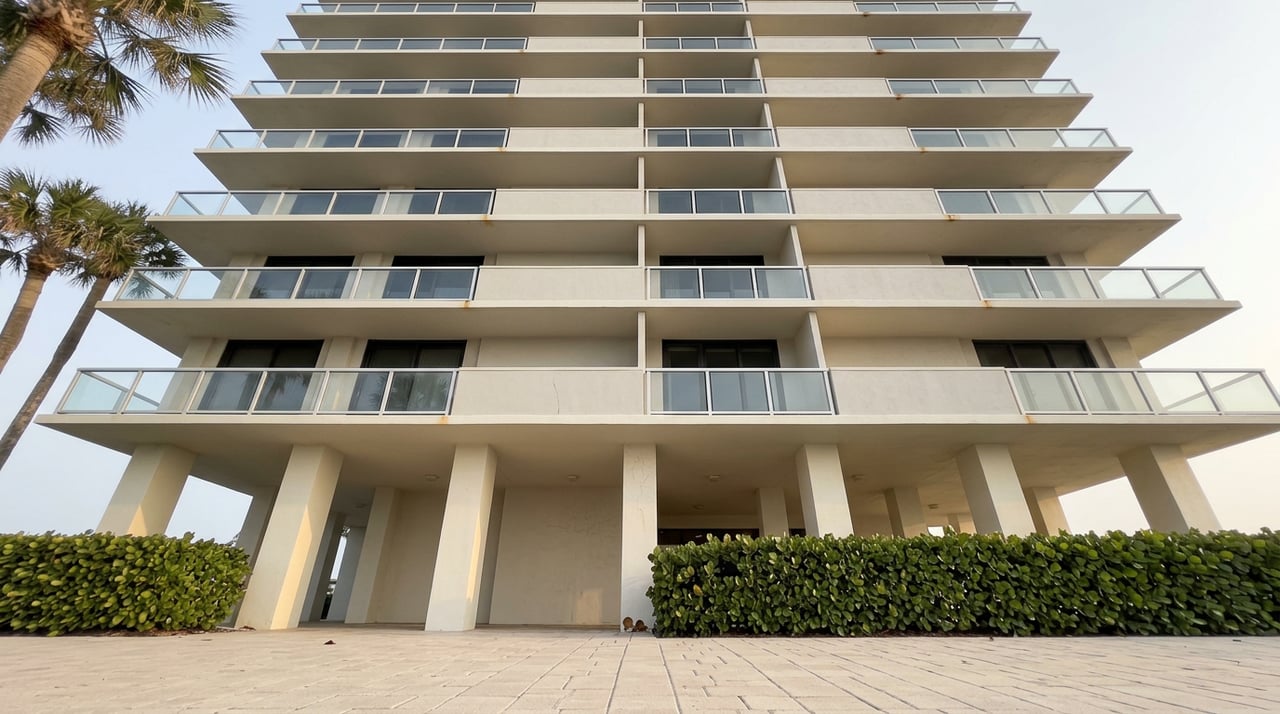
St. Pete Beach has a mix of classic high-rises, boutique buildings, and bayside complexes. Many towers date to the 1970s and 1980s, which makes building condition, reserves, and upcoming repairs critical to your decision. Lenders will also vet the building, not just you, so early document requests save time. If you plan to rent your unit part-time, confirm both city rules and HOA limits before you write an offer.
Safety, reserves, and inspections
Florida requires “milestone inspections” for condominium buildings that are three habitable stories or taller. These inspections happen on a timeline tied to the building’s age and can trigger repair plans if issues are found. Review whether your target building has completed its inspection and what the results mean for upcoming work and costs. Learn more about the statewide milestone rules in Florida Statutes section 553.899.
Pinellas County and local building departments administer the filing and acceptance process. Ask for confirmation of any notices, deadlines, and accepted reports on file with the county. Buyers should confirm completion status, Phase I or II findings, and any approved repair schedule or funding plan. Pinellas County’s guidance on milestone filings is a helpful reference at the Condo Milestone Inspections page.
Florida’s Condominium Act also requires annual budgets with reserves for capital items. For buildings three stories and higher, associations must obtain a structural‑integrity reserve study at least every 10 years and fund reserves for the items in that study. For many older beachfront buildings, this can impact monthly dues and special assessments. Review the latest reserve study and budget as required in Florida Statutes 718.112.
Estoppel certificates and records
During escrow, request an estoppel certificate and official records early. By law, associations must provide an estoppel certificate within 10 business days of a written or electronic request. Estoppels are effective for 30 days (hand or electronic delivery) or 35 days if sent by regular mail. The estoppel should disclose amounts due, pending special assessments, and other financial items. See the timing and rights in Florida Statutes Chapter 718.
Plan your inspection and financing timelines around the estoppel window. Ask whether there is any litigation, recent delinquencies, or insurance changes that could affect loan eligibility and future costs. Minutes from the last 12 to 24 months often reveal what is coming next.
Financing a condo as a second home
Conventional lenders review the project itself, not just your credit. They look at owner‑occupancy levels, the budget and reserves, single‑entity ownership concentration, commercial space, delinquencies, litigation, and whether the building operates like a hotel. If a project does not meet guidelines, it can be deemed non‑warrantable, which may require a larger down payment or a portfolio lender. Lenders use Fannie Mae tools like Condo Project Manager to assess eligibility.
If you plan to use the property as a true second home, disclose that upfront. Second homes are treated differently than investment properties, especially in resort areas with rental activity. Buildings with mandatory rental programs or hotel‑like operations can affect your loan options.
If you plan to use FHA financing, the condo project must appear on HUD’s approved list. Check status early using the FHA Approved Condominium Search. VA buyers should also verify project approval before writing an offer. Regardless of loan type, expect your lender to request the HOA budget, reserve study, insurance policies, and a litigation statement.
Insurance and flood reality check
In coastal Florida, insurance is a top‑of‑mind issue. Associations typically carry a master policy for the building, while you carry an HO‑6 policy for your unit interior and personal property. Florida law requires unit‑owner policies to include at least 2,000 dollars in loss‑assessment coverage with a deductible no greater than 250 dollars for that coverage. Many owners choose higher limits to better protect against large hurricane deductibles on the master policy. See the minimum coverage requirement in Florida Statutes 627.714.
Flood zone and elevation also matter. Many beachfront buildings sit in Special Flood Hazard Areas, where lenders will require flood insurance. Verify your building’s flood zone using the FEMA Flood Map Service Center, and request the building’s flood policy to understand coverage and deductibles. A quick quote from an insurance broker experienced with Florida condos can help you budget for both HO‑6 and flood coverage.
Walkability and beach access
Walkability changes as you move along the island. Pass‑a‑Grille at the south end feels like a compact village with dining and beach access close together. Other sections along Gulf Boulevard are more linear, with signalized crossings and public access points. When you evaluate a listing, confirm whether beach access is deeded private access, a dedicated walkover, or via public access. Use mapping tools to convert blocks into realistic walk times so you know what daily life will feel like.
Short‑term rental rules you must check
St. Pete Beach has clear short‑term rental rules based on zoning overlays. Many districts require a 30‑day minimum stay, and some zones have different limits or exceptions. Your association may be stricter than the city and prohibit or limit short‑term rentals. Always confirm both the municipal overlay for the specific address and the HOA’s rental rules before you commit. You can review the city’s guidance at Short‑Term Rental Rules & Regulations.
If renting is part of your plan, ask for any required city registration details and confirm whether your building allows it. A mismatch between your goals and the rules is easier to solve before you write an offer.
Taxes, fees, and monthly costs
Monthly HOA dues vary by building size, amenities, insurance costs, elevators, and reserve funding. Larger beachfront towers often have higher dues due to amenities and structural maintenance. Review what the dues include, such as water, cable, internet, and master insurance. Pair the budget with recent financials and reserve studies to see whether fees are likely to change.
For property taxes, remember that your assessed value, exemptions, and millage will affect your annual bill. If the condo is a second home, homestead benefits will not apply. Ask for a tax estimate based on the expected purchase price and local rates so you have a realistic annual total.
Step‑by‑step plan for out‑of‑state buyers
- Get preapproved and share your intended use of the condo (second home vs investment) with your lender.
- Ask your agent to screen buildings for conventional “warrantability,” FHA or VA approval needs, and any hotel‑like operations.
- Confirm city rental rules and the HOA’s rental policy before showings if renting is a priority.
- Request key HOA documents early: budget, reserve study, insurance declarations, meeting minutes, and any milestone inspection reports.
- Price out insurance: HO‑6, flood, and an estimate of the association’s master policy impact on assessments.
- Write the offer with inspection and document review timelines that align with the estoppel delivery window.
- Order inspections quickly, and if the building is older or in repair, consider a consult with a structural engineer.
- Prepare for remote closing with secure wiring procedures and a final on‑site walk‑through by your agent.
Due‑diligence checklist for condos
Use this list to organize requests during your contingency period:
- Milestone inspection status, Phase I or II reports, and any repair plan under Florida Statutes 553.899; confirm with Pinellas County’s milestone program.
- Most recent reserve study and funding plan required by Florida Statutes 718.112; cross‑check reserve balances against recommendations.
- Annual budget, 2 to 3 years of financials, and recent bank statements for the reserve account.
- Current estoppel certificate and official records per Florida Chapter 718, including any pending special assessments or delinquencies.
- Litigation statement and counsel contact, if applicable, since active cases can affect financing.
- Master insurance declarations page, hurricane/wind deductible, and who pays deductibles after a covered loss; your HO‑6 policy and loss‑assessment coverage requirements are in Florida Statutes 627.714.
- Flood zone verification and the building’s flood policy; use FEMA’s Flood Map Service Center.
- Rental rules, minimum lease periods, and any city registration or overlay requirements under St. Pete Beach STR rules.
- Building systems snapshot: elevator service records, roof age, waterproofing, plumbing, parking structure condition, and any water intrusion notes.
Close from anywhere: remote logistics
Florida authorizes remote online notarization. Many title companies can close your purchase electronically if your lender and county recording allow it. Ask your closing team about RON and e‑recording so you can plan travel only if needed. Review the framework in Florida Chapter 117 on online notarization.
Protect yourself from wire fraud by verifying any wiring instructions with the title company using a known phone number. Arrange a local final walk‑through with your agent to confirm condition and any agreed repairs before you fund and close.
Ready to find your St. Pete Beach condo?
When you are buying from out of state, local knowledge and a tight process make all the difference. Our boutique team pairs on‑the‑ground expertise with white‑glove guidance so you can secure the right building, the right view, and the right terms. If you want a clear plan, curated options, and a smooth remote close, reach out to Shore2Bay Realty. We are here to help you move from research to beachfront reality.
FAQs
What is a Florida condo milestone inspection and why does it matter?
- It is a two‑phase structural inspection for buildings three stories or taller that identifies needed repairs and timelines; review status and reports under Florida Statutes 553.899.
How do reserves affect my monthly condo dues in St. Pete Beach?
- Associations must budget and fund reserves, and taller buildings need a structural‑integrity reserve study; stronger reserves can stabilize dues and reduce special assessments under Florida Statutes 718.112.
What makes a condo “warrantable” for a conventional loan?
- Lenders evaluate the project’s budget, reserves, occupancy mix, litigation, delinquencies, and hotel‑like features using tools like Fannie Mae’s Condo Project Manager.
Can I use FHA financing for a St. Pete Beach condo?
- Only if the project appears on HUD’s approved list; check the FHA Approved Condominium Search before you write an offer.
What insurance do I need for a beachfront condo?
- You will carry an HO‑6 policy and often flood insurance, while the HOA carries a master policy; Florida requires at least 2,000 dollars of loss‑assessment coverage per Florida Statutes 627.714.
How do I confirm if short‑term rentals are allowed at a specific address?
- Verify both the city overlay rules at St. Pete Beach’s STR page and the HOA’s rental policy; the stricter rule controls.
Can I close on a Florida condo from out of state?
- Yes, many title companies support remote online notarization and e‑recording when permitted; see Florida’s framework in Chapter 117.