What separates a good vacation rental from a great one on Treasure Island? If you are eyeing a second home or investment property, you want strong bookings, happy guests, and fewer headaches. The good news is there are clear features and checks that consistently drive performance on this Gulf coast island. In this guide, you will learn what guests value most, how to evaluate a property with a rental lens, and the key rules and risks to confirm before you buy. Let’s dive in.
Understand Treasure Island demand
Treasure Island draws families, couples, weekenders from Tampa Bay, and winter visitors from northern states and Canada. Demand is highly seasonal, with peak summer months and important shoulder seasons in spring and fall. Beach proximity and walkability to dining and shops are top booking drivers. Units that are close to the sand and daily conveniences tend to command higher rates and steadier occupancy.
What this means for you
- Favor locations with an easy, direct walk to public beach access points.
- Prioritize walkability to restaurants, cafes, and groceries.
- Review seasonal occupancy and average daily rate splits before you model income.
Layouts and sleeping capacity that book
Two and three bedrooms typically attract families and groups and often earn higher nightly rates than studios or one-bedrooms. Multiple full bathrooms improve comfort and reduce friction between guests. Flexible sleeping options, like a quality sofa bed, bunk beds, or a Murphy bed, can expand capacity when allowed. Be sure your max occupancy follows local and building rules, and market it clearly.
Floor plan details that help
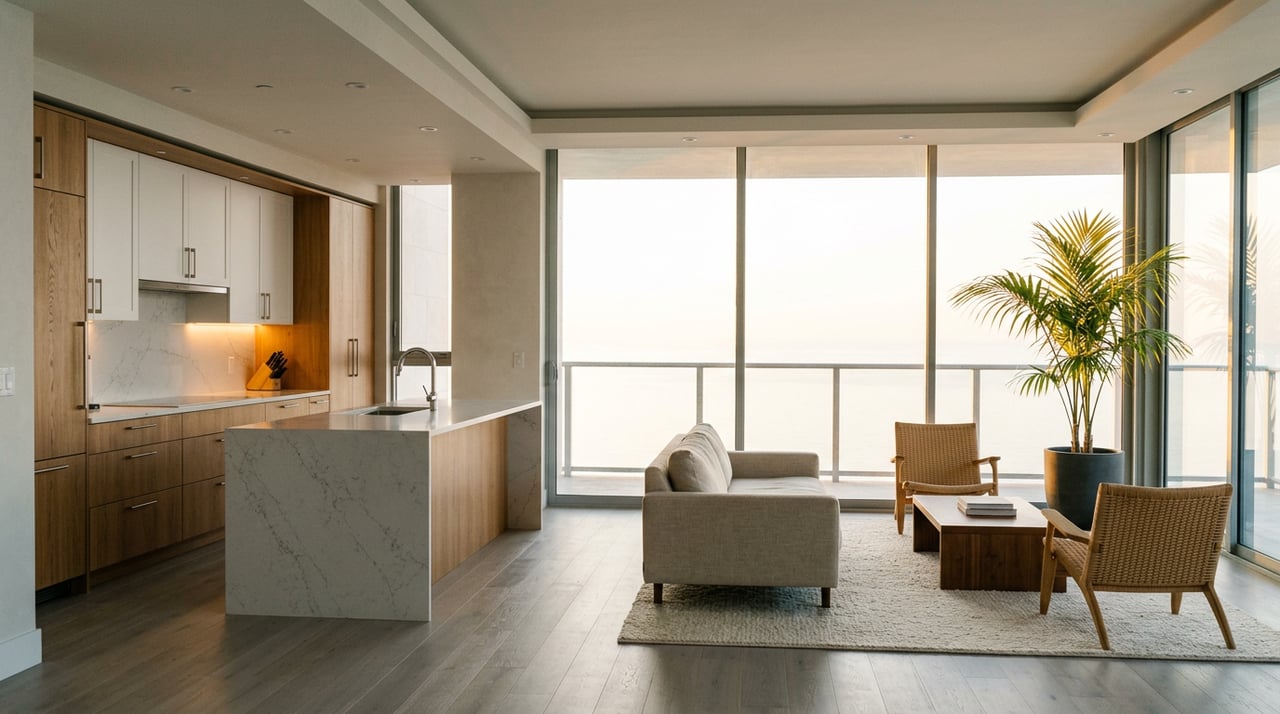
- Open kitchen-to-living space for socializing and easy gear drop.
- Ground level or elevator access for families and older guests.
- Bedrooms set apart from common areas for privacy among groups.
Must-have amenities for today’s guests
Guests expect comfort and convenience that support longer beach stays. These essentials can make or break your reviews and repeat bookings.
- Reliable, high-speed Wi-Fi and a simple workspace.
- A fully equipped kitchen with everyday cookware and a good coffee maker.
- In-unit or same-floor washer and dryer.
- Dependable air conditioning sized for Florida heat.
- Smart lock or keypad entry for smooth self check-in.
- Durable, easy-to-clean finishes and storage for beach gear.
Outdoor space, beach access, and parking
Outdoor living is part of the Treasure Island experience. It also shows up in booking behavior.
Outdoor space
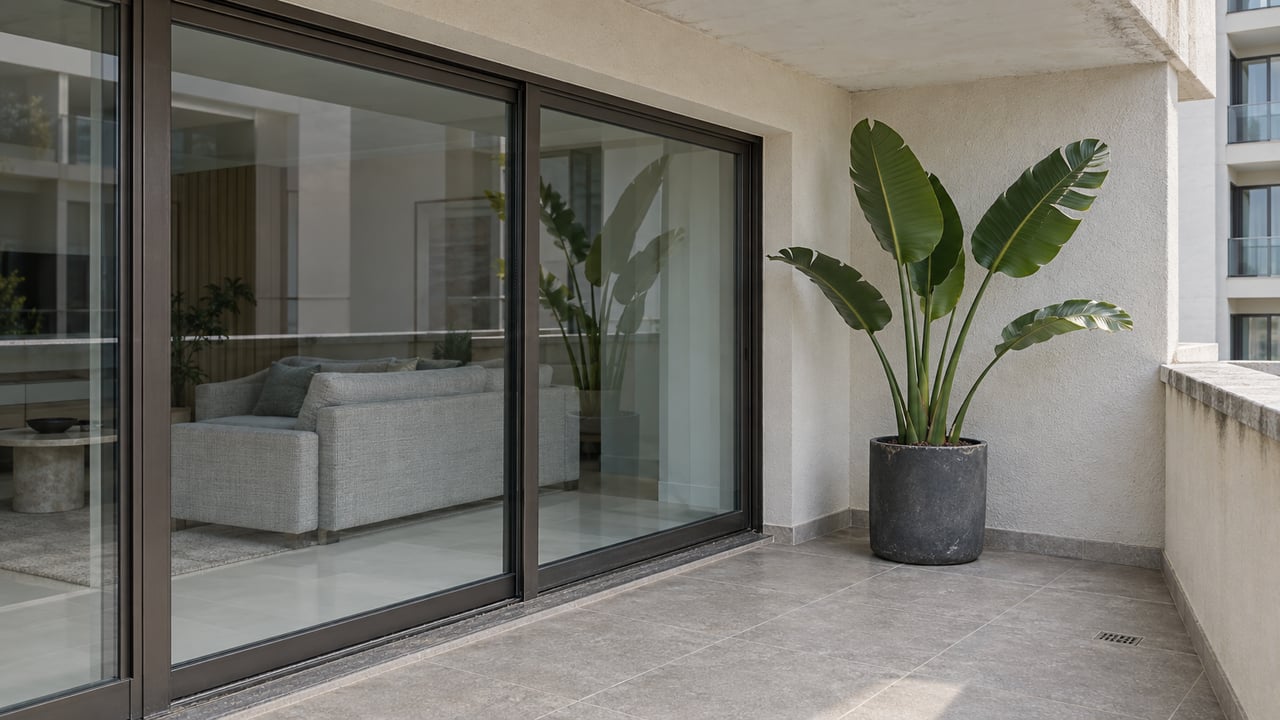
Private balconies, decks, or patios with seating can boost rates and conversion. Onsite BBQ areas, when allowed by the HOA, and an outdoor shower or foot rinse are guest-pleasing touches.
Beach access and walkability
Distance is only part of the story. The quality of access matters more. Look for direct walkways, fewer busy streets to cross, and official public access points. Close proximity to water-based activities and dining increases appeal for short stays.
Parking
Assigned parking and clear guest parking policies are critical on a small island. Confirm how many spaces your unit gets, where guests can park, and whether permits are required for extra vehicles. Lack of onsite parking can limit group bookings and shorten stays.
Noise, views, and orientation
Units facing the beach or with western exposure for sunsets often command premiums. If a building fronts a busy road, sound-insulated windows and interior courtyard locations can help reduce noise.
Rules, insurance, and coastal risk checks
Before you fall for a view, make sure the rental is allowed and insurable at a cost that fits your plan.
HOA and condo rules
Associations can set rental minimums, caps on the number of rentals, limits on consecutive bookings, or owner-occupancy requirements. Some buildings restrict or ban short-term rentals altogether. Request the full rental policy, bylaws and amendments, meeting minutes that mention rental rules, and any special assessments or litigation before you buy.
Local licensing and taxes
Many Florida cities require registration or a local business license for short-term rentals, along with compliance on health, safety, and occupancy. Confirm Treasure Island’s current rules and enforcement before making an offer. Plan for Florida sales tax and local tourist development taxes on rental income, and verify who collects and remits those taxes if you use booking platforms.
Insurance and storms
Standard homeowner policies rarely cover short-term rental activity. Price specialized short-term rental or landlord coverage that includes guest liability and potential income loss after covered damage. Flood insurance is often required by lenders in coastal zones and is recommended due to storm surge risk. Windstorm coverage may be separate and carry higher named-storm deductibles. Understand how the condo master policy and your unit policy interact for common elements and rebuilds.
Flood zones and elevation
Treasure Island includes higher-risk flood zones. Check FEMA maps to see whether a property sits in a VE or AE zone and what that means for premiums and insurability. Review local beach restoration plans and ask about any history of flooding at the building.
Run the numbers like a pro
A solid rental plan starts with realistic income and full costs. Look beyond listing photos and dig into data and lender rules.
Financing and lender issues
Loan terms differ for primary homes, second homes, and investment properties. Investment loans usually have higher rates and down payments. If you buy a condo, many lenders require the project to meet eligibility criteria around reserves, delinquencies, and owner-occupancy ratios. Buildings with heavy short-term rental activity can face lending limits.
Ongoing costs
Budget for HOA fees, property, flood, and wind insurance, utilities, maintenance, cleaning and linens, marketing and platform fees, and local and state taxes. Review association reserves carefully. Low reserves can lead to special assessments that hit your returns.
Operations and pricing
Decide if you will self-manage or hire a local manager. Either way, set up reliable cleaners, a supply inventory, clear house rules, guest messaging templates, and an emergency plan for storms. Consider a platform strategy and dynamic pricing tools to balance occupancy and rate through seasons.
A practical buyer checklist
Use this quick checklist to qualify a Treasure Island property for short-term rental potential.
Association and building
- Is short-term rental allowed and what is the minimum stay?
- Any caps on rentals per year or consecutive bookings?
- Required registrations, fees, or on-site management rules?
- Current HOA fees, reserve levels, pending assessments, or litigation?
- Assigned parking count, guest parking policies, and towing rules?
Unit specifics
- Elevator access and condition if not ground floor.
- Distance and walk route to public beach access and amenities.
- HVAC, plumbing, appliances, and any moisture or mold history.
- Storage and finishes that hold up to sand and humidity.
Regulatory and tax
- City registration or business license requirements for short-term rentals.
- Occupancy, noise, and parking enforcement that affect guests.
- Florida sales tax and local tourist tax collection and remittance.
- Flood zone, estimated flood and wind insurance costs.
Market and revenue
- Comparable occupancy and rates for similar size and location.
- Typical minimum-stay expectations by season.
- Management fees and a conservative net income model with vacancy.
Putting it all together
The most marketable Treasure Island rentals offer easy beach access, dependable parking, outdoor seating or a balcony, a comfortable 2-plus bedroom layout, and modern essentials like AC, Wi-Fi, an equipped kitchen, and laundry. Pair those features with clear compliance on HOA rules, local licensing, and taxes, and you will have a property that guests love and that performs across seasons. Keep your projections conservative, price insurance carefully, and verify every rule in writing before you close.
Ready to explore listings and evaluate options with local insight? Connect with the team at Shore2Bay Realty to align your wish list with the realities of the Treasure Island market.
FAQs
What size unit rents best on Treasure Island?
- Two and three bedrooms generally attract families and groups and often achieve higher rates and occupancy than studios or one-bedrooms when marketed as beach stays.
How close to the beach should my rental be?
- Focus on the quality of access, not just distance, by looking for direct walkways, fewer busy streets to cross, and official public access points.
Do I need a license to operate a short-term rental in Treasure Island?
- Many Florida cities require registration or a local business license and enforce safety and occupancy rules, so verify Treasure Island’s current ordinance before buying.
What insurance should I carry for a Treasure Island vacation rental?
- Price dedicated short-term rental or landlord coverage, plus flood and windstorm policies, and confirm how the condo master policy and your policy coordinate.
How important is parking for a Treasure Island rental?
- Assigned parking and clear guest parking options are critical on the island and can be a deciding factor for families and groups.
How do hurricanes affect bookings and policies?
- Plan for a storm protocol that covers guest communication, potential evacuations, and refunds, and budget for seasonal disruptions in your income model.