Are you budgeting for a Belleair home near Clearwater and wondering what “closing costs” really cover? You are not alone. Closing costs can feel confusing, especially with Florida-specific taxes, coastal insurance needs, and HOA requirements. In this guide, you will learn what you will likely pay in Pinellas County, how to plan your budget, and smart ways to reduce your out-of-pocket total. Let’s dive in.
What closing costs include
Closing costs are the third-party fees and prepayments due at settlement, separate from your down payment. Most buyers in Florida plan for roughly 2% to 5% of the purchase price in closing costs. Your exact number depends on your loan type, price point, insurance needs, and what you negotiate with the seller.
You will see a detailed summary of these costs on your lender’s Loan Estimate early in the process and on the Closing Disclosure at least three business days before you sign. For plain-English explanations, review the CFPB’s guides to the Loan Estimate and the Closing Disclosure.
What Belleair buyers typically pay
Customs vary across Florida and by contract. In many transactions, the seller may cover the owner’s title policy, while the buyer covers lender-related fees and the lender’s title policy. That said, these items are negotiable. Always confirm who pays for each fee in your contract and on your Closing Disclosure.
Loan and lender fees
If you are financing, expect lender charges for origination, underwriting, and processing. Some lenders quote these fees as “points,” where 1 point equals 1% of the loan amount. You will also pay for the appraisal and a credit report. Differences between lenders can amount to thousands of dollars over the life of the loan, so compare written Loan Estimates.
Title and closing fees
The title company performs a title search, issues title insurance policies, and conducts the closing. Florida follows state-regulated rate schedules for title insurance, so the premium scales with the purchase price. The owner’s policy and lender’s policy serve different purposes, and who pays for each can depend on local custom and negotiation. Ask your agent and title company what is typical in Pinellas County and how it applies to your contract.
Recording fees in Pinellas
The Pinellas County Clerk of the Circuit Court & Comptroller records the deed and mortgage. Buyers typically pay recording fees tied to the mortgage and sometimes share or assume deed recording costs based on the agreement. For current recording fee information, visit the Pinellas County Clerk.
Prepaids and insurance in Belleair
Prepaids are not fees. They are upfront costs for items you will pay as a homeowner.
Property taxes and escrow
Property taxes are prorated to the day of closing, and your lender may collect several months of taxes and insurance to fund your escrow account. Belleair has its own municipal millage that is part of your Pinellas County tax bill. For assessed values and exemptions, use the Pinellas County Property Appraiser, and for payment schedules and proration details, see the Pinellas County Tax Collector.
Homeowners and flood insurance
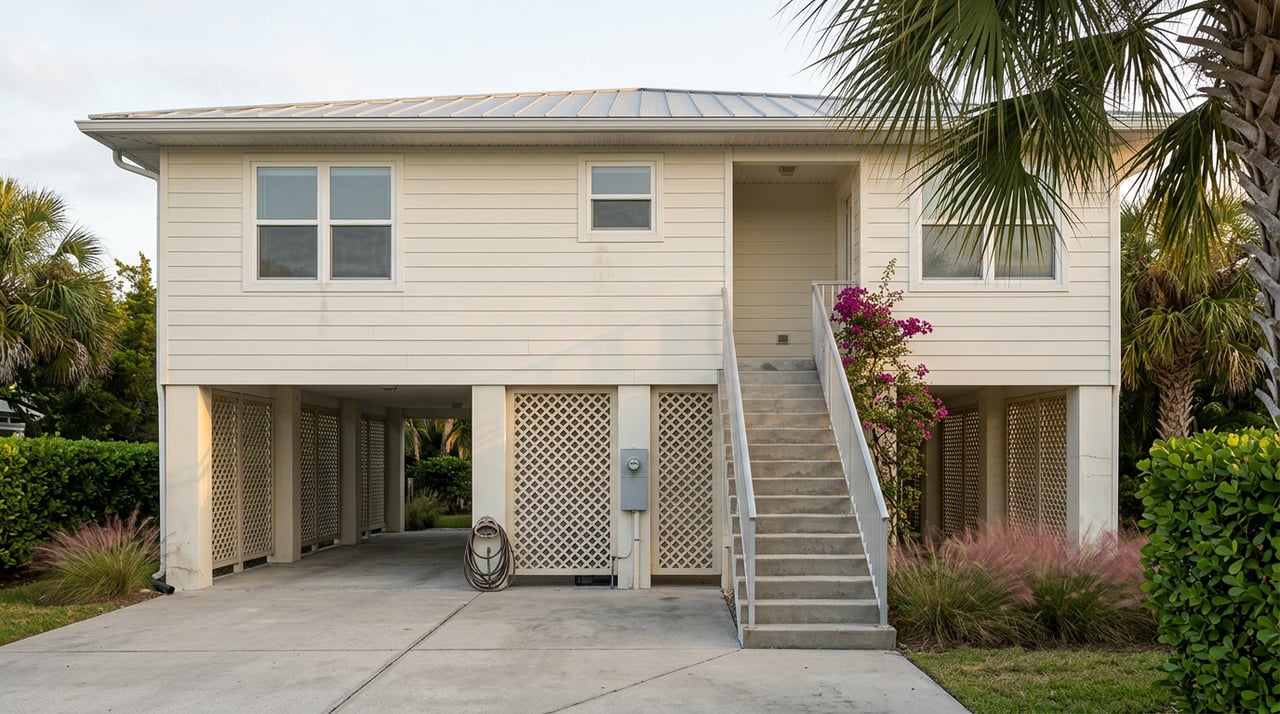
Most lenders require a full year of homeowners insurance paid at or before closing. In Belleair, flood risk varies by street and elevation. If a property is in a FEMA Special Flood Hazard Area, your lender will require flood insurance. Check a property’s flood zone on the FEMA Flood Map Service Center and ask your insurance agent for a quote early. Premiums can vary widely along the coast.
Florida taxes and stamps
Florida charges state-level documentary stamp taxes and a nonrecurring intangible tax on new mortgages when documents are recorded. In many transactions the seller pays documentary stamps on the deed, while buyers often pay the intangible tax on the mortgage, though this is negotiable. For current rules and calculations, refer to the Florida Department of Revenue.
Inspections, surveys, and HOA items
Most Belleair buyers order a general home inspection, and you can add pest, wind mitigation, or other specialized inspections. A property survey or survey affidavit may be required by your lender or the title company. If your home is in a condominium or HOA, you may see estoppel, transfer, or document fees. Request HOA documents early, since estoppel timelines can affect your closing date.
Example cost range
Here is an illustrative example to help with planning. Actual figures come from your lender, title company, tax records, and insurance quotes.
- Purchase price: $500,000
- Loan amount: $400,000 (80% LTV)
- Typical buyer costs might include:
- Lender fees and points
- Appraisal and credit report
- Lender’s title policy and title-related fees
- Recording and clerk fees
- State documentary stamp and intangible taxes as applicable
- One year of homeowners insurance and any required flood policy
- Escrow deposits for taxes and insurance
- Inspections, survey, and any HOA estoppel or transfer charges
For a purchase like this, a rough planning range might land around a few percent of the price. Many buyers see totals in the 2% to 5% range. Your number can be lower or higher based on your loan, flood insurance needs, and negotiated credits.
Ways to lower your costs
You have options to reduce what you pay at the table.
- Ask for seller concessions. Each loan type sets limits on how much a seller can contribute toward your closing costs. Your lender can explain current allowances.
- Compare lenders. Review multiple Loan Estimates and compare rate, points, and fees. A small fee difference can mean big savings.
- Negotiate title items. In many Florida deals, the owner’s title policy is covered by the seller, but this is contract specific. You can also negotiate certain closing or recording fees.
- Consider lender credits. Some buyers choose a slightly higher interest rate to receive a lender credit that offsets closing costs. Compare the monthly payment and long-term costs before choosing this route.
- Time your closing. Tax and insurance proration can shift with dates. Your agent and lender can help you understand the impact.
Loan programs also matter. FHA includes an upfront mortgage insurance premium that can be financed. VA loans include a funding fee for most buyers, which can also be financed. Conventional loans may require private mortgage insurance when your down payment is under 20 percent.
Timeline and documents to close
A typical Belleair closing runs about 30 to 45 days from contract to keys. Your path usually includes loan application, inspections, appraisal, title work, and final underwriting.
Bring these items to closing:
- Government-issued photo ID
- Cashier’s check or wire for funds due (always verify wiring instructions by phone with the title company)
- Your Closing Disclosure
- Insurance binders for homeowners and any required flood policy
After funding, the title company records the deed with the Pinellas County Clerk and you receive keys per your agreement.
Quick planning worksheet
Use this simple worksheet to estimate and organize quotes. Replace placeholders with your numbers.
- Purchase price: _______
- Loan amount: _______
- Lender fees and points (from Loan Estimate): _______
- Appraisal and credit report: _______
- Title and closing fees, including lender’s policy (from title quote): _______
- Recording fees (title company can quote): _______
- State taxes on deed/mortgage (see Florida Department of Revenue): _______
- Homeowners insurance, 1 year (from insurance agent): _______
- Flood insurance, if required (from insurance agent): _______
- Escrow deposits for taxes/insurance (from lender): _______
- Inspections and survey: _______
- HOA estoppel/transfer/docs, if applicable: _______
- Planned seller credits or lender credits: – _______
Estimated total closing costs: _______
Local resources
- Pinellas recording and official records: Pinellas County Clerk
- Assessments and millage: Pinellas County Property Appraiser
- Tax bills and payments: Pinellas County Tax Collector
- Flood zone lookups: FEMA Flood Map Service Center
- Florida taxes on deeds and mortgages: Florida Department of Revenue
- Understanding your disclosures: CFPB on the Loan Estimate and CFPB on the Closing Disclosure
Get help from a local team
Every Belleair purchase is unique, especially with coastal insurance and HOA timelines in the mix. A local advisor can help you compare lender quotes, confirm who pays which title items, and keep your closing on track. If you are planning a move along the Clearwater and Belleair coastline, connect with Shore2Bay Realty for clear guidance and a smooth closing.
FAQs
How much are closing costs for Belleair buyers?
- Most buyers plan for about 2% to 5% of the purchase price, with exact costs set by your lender quotes, title fees, insurance, and any negotiated credits.
Who pays for title insurance in Pinellas County?
- In many Florida transactions, sellers cover the owner’s policy and buyers cover the lender’s policy, but this is negotiable and should be confirmed in your contract and title quote.
Are there Florida transfer taxes when buying?
- Florida applies state documentary stamp taxes and a nonrecurring intangible tax on new mortgages, plus county recording fees; check the Florida Department of Revenue and your title quote for current details.
Will I need flood insurance in Belleair?
- If your lender determines the home is in a FEMA Special Flood Hazard Area, flood insurance will be required; verify the property’s zone on FEMA’s map site and get a quote early.
Can the seller help pay my closing costs?
- Yes, through seller concessions within program limits for your loan type; ask your lender about current caps and negotiate credits in your offer.