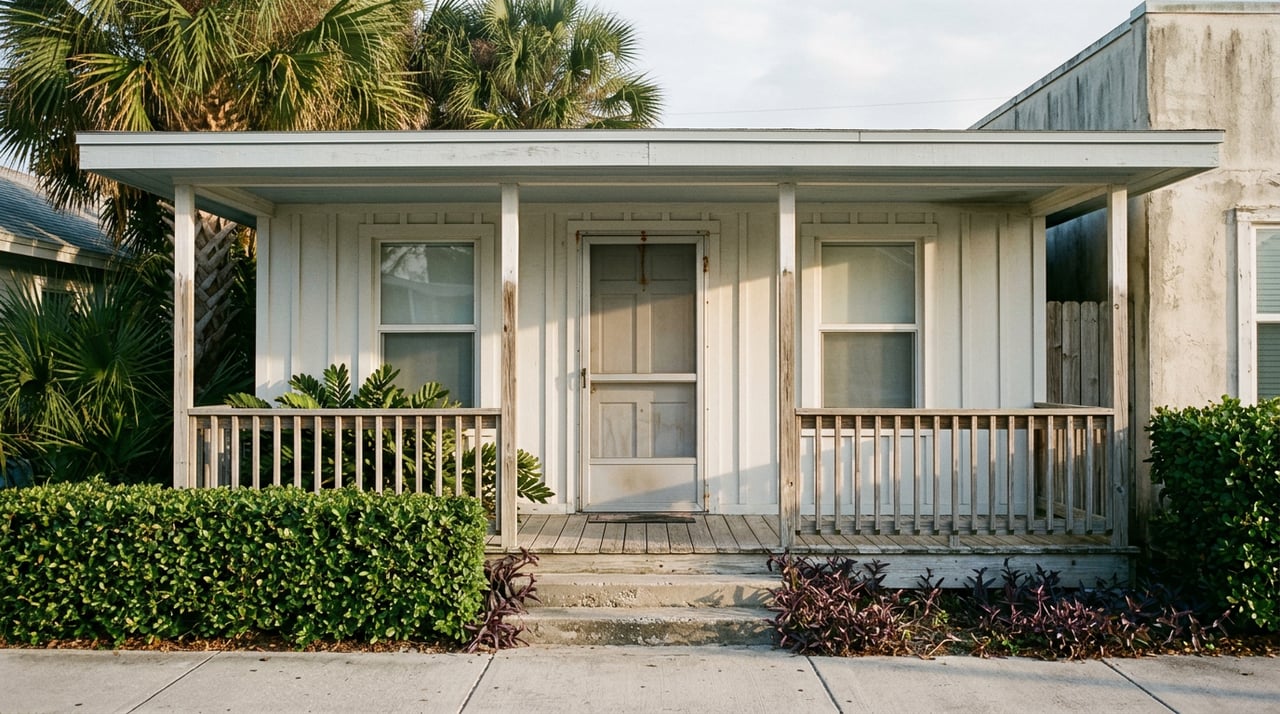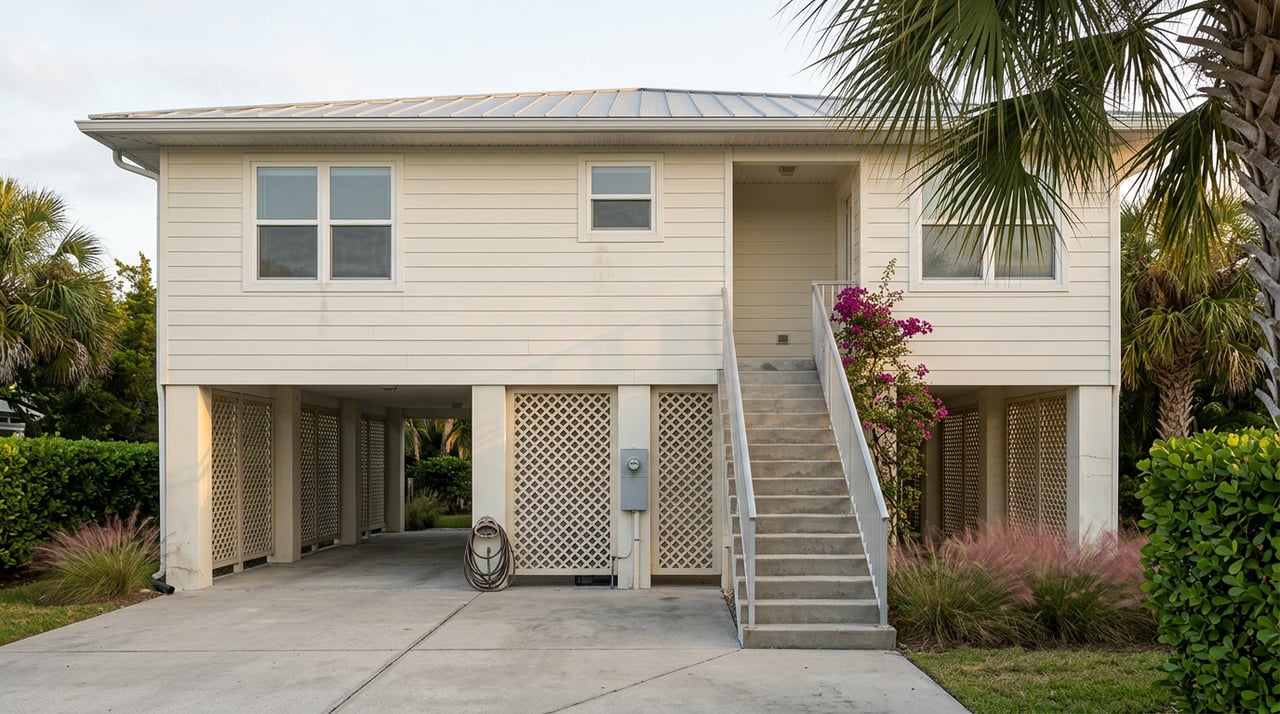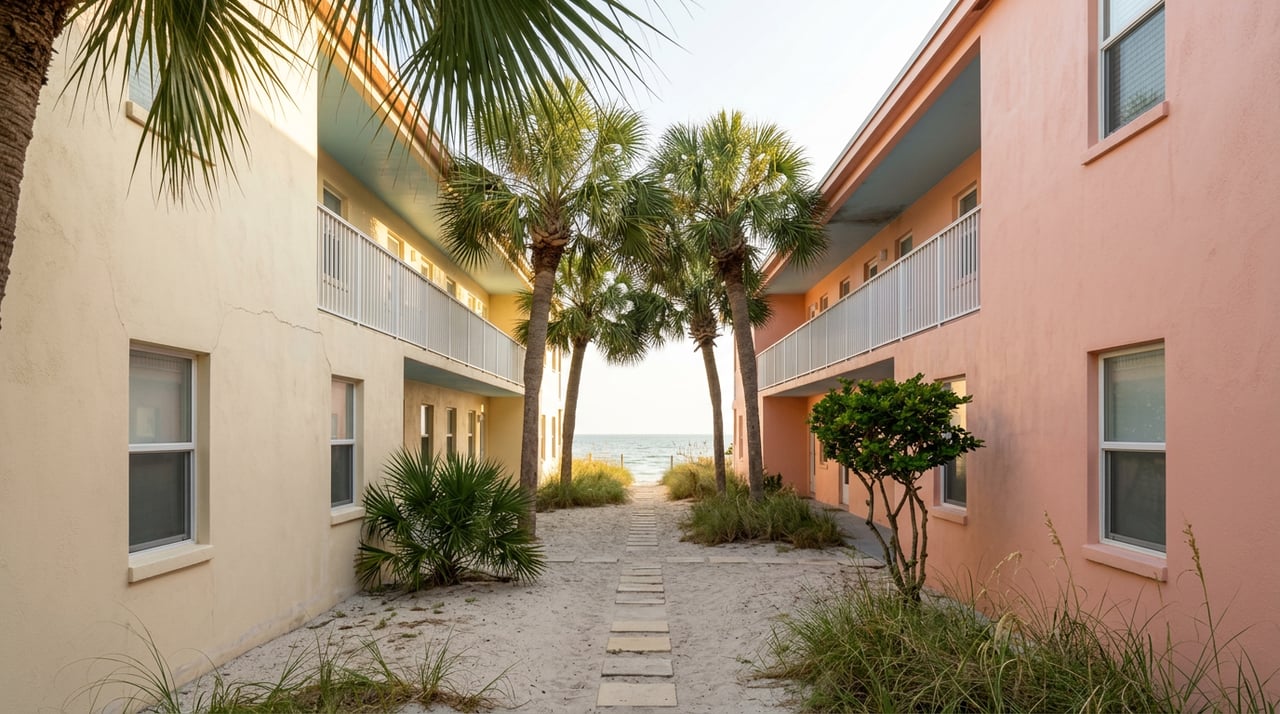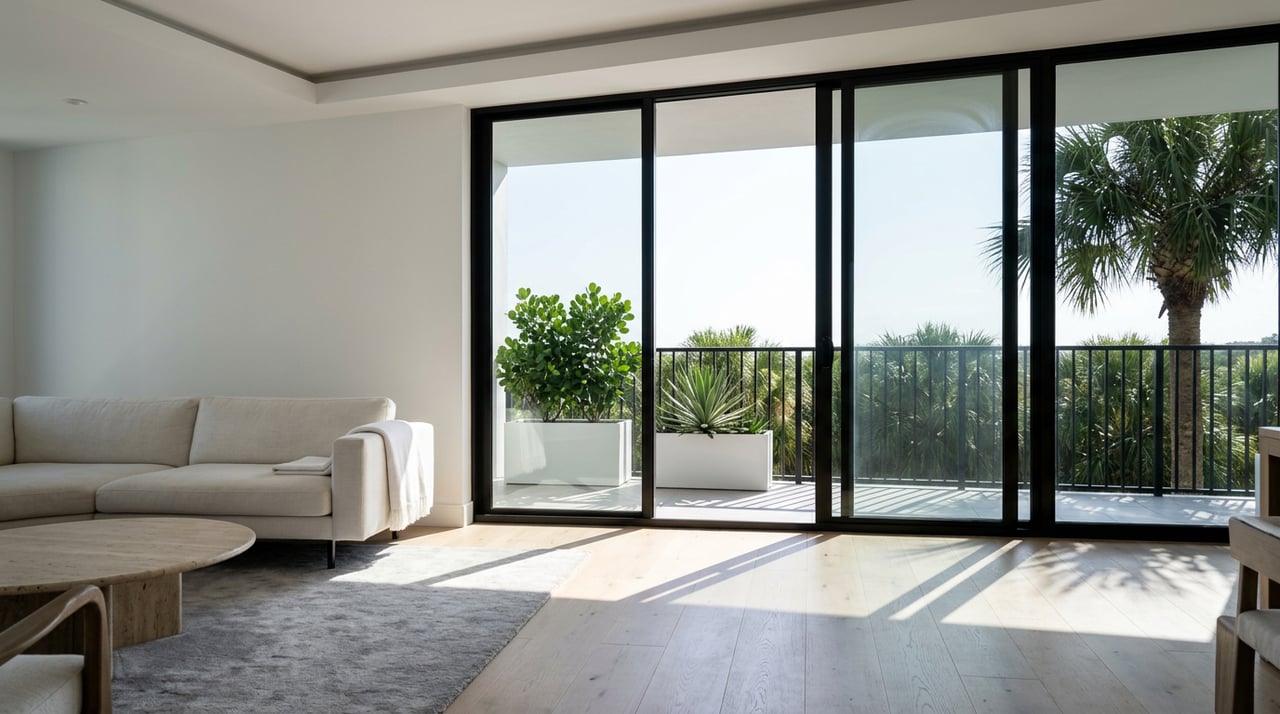
Selling a beach home is different. You are marketing a lifestyle, handling coastal paperwork, and often speaking to buyers who are not in town. If you prepare the right way, you can stand out and avoid surprises. This guide gives you a clear, step-by-step plan tailored to St. Pete Beach so you can launch with confidence, attract more qualified buyers, and close smoothly. Let’s dive in.
Know your St. Pete Beach market
Recent local reports show a median sale price in the high $600,000s with days on market often measured in months, not days. That means pacing matters and presentation is everything. Your likely buyers include second-home and snowbird buyers, out-of-area retirees, and investors. Many will evaluate your home online first, then plan a single visit.
Seasonality also plays a role. Late winter through spring often brings more eyes to the beach. If your timeline allows, aim your launch to capture that traffic. If not, a sharp price, strong media, and a clean, well-documented home can still win even in the off season.
Map your 60‑day plan
A simple timeline keeps your launch on track.
- Weeks 8–4 before list date: Order targeted inspections, including roof, HVAC, WDO, and, if waterfront, a seawall and dock assessment. Start light cosmetic work and plan staging.
- Weeks 4–2: Complete punch-list items. Schedule professional cleaning and curb appeal work. Book the media team for photos, 3D tour, and approved drone work.
- Week 1: Assemble a digital “buyer packet” with survey, insurance pages, elevation certificate, seawall or dock documents, and any condo or HOA resale items.
- Launch week: Activate on MLS midweek to capture weekend traffic. Go live with pro photos, the 3D tour, and your buyer packet ready for agent requests.
Gather required documents early
Getting paperwork ready up front reduces friction with buyers, lenders, and insurers.
- Survey, deed, and lot lines: Useful for clarifying water frontage and any improvements near the shoreline.
- Flood and homeowners insurance: Include your declarations page and, if you have one, the Elevation Certificate. If you do not have one, know that an elevation certificate can help buyers get precise flood quotes. Learn what it is in this overview of the elevation certificate and how it is used.
- Waterfront permits and maintenance: Collect seawall, dock, and boat lift permits plus any inspection or repair records. Pinellas regulates docks and seawalls, so buyers often ask for documentation. You can reference the county’s water and navigation code for docks and seawalls.
- Condo or HOA documents: Florida law requires specific condo resale disclosures and creates buyer cancellation windows if documents are not provided on time. Review the statute on condominium resale document delivery.
- Short-term rental history: If you operated the home as a vacation rental, assemble the Pinellas County Short-Term Rental Certificate of Use, safety inspection records, and tax receipts. Start with the county’s Short-Term Rental Certificate of Use program and the city’s short-term rental rules and regulations.
- Flood-related disclosures: Florida now requires expanded flood disclosures about claims and repairs. Build your file early. See the update from Florida Realtors on the new flood disclosure requirements.
Inspect and fix what matters
Coastal buyers and insurers scrutinize a few areas. Get ahead of them.
- Roof and structure: Buyers and underwriters focus on roof age, permits, and condition. Handle repairs and gather receipts.
- Seawall and dock: Movement, tie-backs, and repair history often drive negotiations on waterfront homes. Consider a professional assessment. The county’s docks and seawalls code outlines typical permitting and standards.
- HVAC, moisture, and WDO: Servicing HVAC and addressing any signs of intrusion or pest activity helps your inspection period run smoother.
- Windows and hurricane protection: Document impact-rated windows or permitted shutter systems.
- Cosmetic refresh: Fresh neutral paint, bright grout and caulk, and pressure-washed exterior spaces help photos pop.
Stage for a coastal buyer
Staging and professional media shorten time on market and improve offers, which is critical when many buyers first see your home online. The National Association of REALTORS reports that cleaning, decluttering, and pro photos are among the highest-value pre-list steps. You can review their summary on why staging is paramount in a slower market.
Use this quick staging punch list:
- Declutter and deep clean. Remove salt stains and mildew in baths and around windows.
- Neutralize walls and textiles. Keep the palette light to enhance natural light.
- Stage outdoor living. Set dining and lounge zones to show indoor to outdoor flow.
- Replace corroded fixtures. Opt for clean, polished finishes.
- Ensure smooth operation. Make sure sliders, screens, and doors glide and seal well.
Produce A+ media buyers can trust
Strong media increases online engagement and buyer confidence, especially for remote shoppers.
- Professional photography: Hire a photographer experienced with water views and bright Florida exteriors. Lead your photo set with the best water or outdoor image and follow with spacious living areas.
- Drone footage: Use a licensed Part 107 operator. The FAA requires Remote ID compliance for most drones. Review the FAA’s Remote ID guidance for UAS operators. Operators must also respect local launch and landing rules. For local context, see the county film office’s note on drone launches from county-managed property.
- 3D tours and short video: Add a Matterport or similar walk-through for remote qualification. Include a 30 to 60 second highlight video for social and email.
Pricing and launch strategy
Your pricing should reflect recent comparable sales, condition, view, dockage, and updates that improve insurability. Build in the value of clean documentation, flood mitigation work, and recent roof or window improvements. Aim to list midweek to maximize weekend showing traffic. If you are coordinating around guest bookings, choose a window with no turnovers to allow flexible access.
Include a digital “technical appendix” in your MLS attachments or on request. This packet should include your survey, elevation certificate, insurance declarations, seawall and dock items, condo documents if applicable, and a copy of required disclosures. Making it easy for buyer teams reduces back-and-forth and speeds underwriting.
Smart showings for remote and STR buyers
- Virtual access: Offer live video tours and share your 3D walkthrough. Many vacation buyers pre-qualify remotely and want to narrow choices before they fly in.
- STR coordination: If your home is an active rental, temporarily block dates during launch or arrange professional turnover before showings. Make sure your file includes the county’s Short-Term Rental Certificate of Use and current compliance records. Buyers and their lenders will ask.
- Broker outreach: Invite agents to a broker preview and share your buyer packet. Vacation buyers often work with trusted agents long distance.
- MLS and association rules: Some condo associations limit lockboxes or require advance notice for showings. Confirm protocols before launch to avoid delays.
Negotiate and close with fewer surprises
The best negotiations start with fewer unknowns. Common closing slowdowns include insurance, condo packets, and waterfront condition.
- Flood and insurance: Lenders often request flood documentation and insurance details early. Encourage buyers to seek quotes as soon as they are serious. This guide explains how Florida flood insurance works and what affects cost.
- Condo resale documents: Florida statute requires delivery of association documents and creates buyer cancellation rights if missing. Order these promptly. Review condo resale requirements and buyer rights.
- Seawall and dock: Share inspection results and repair estimates up front if there are findings. The county’s docks and seawalls code is a helpful reference for standards.
Most financed closings in Pinellas fall in the 30 to 60 day range. Timelines vary based on financing, condo processing, and any agreed repairs.
One-page pre-list checklist
Documents: Survey, insurance declarations, elevation certificate if available, seawall or dock permits and maintenance, and any condo or HOA resale items.
Compliance: STR Certificate of Use and city rules if you have rented the home. Start with the county STR program and the city’s STR rules.
Inspections: Roof, HVAC, WDO, and a seawall or dock assessment for waterfront. Reference county water and navigation standards if questions arise.
Staging and media: Deep clean and declutter, then schedule pro photos, a 3D tour, and approved drone work. For strategy insights, see NAR’s summary on staging impact and buyer behavior. Confirm drone compliance via the FAA’s Remote ID guide.
Disclosures: Complete required forms, including the updated Florida flood disclosure. Review Florida Realtors guidance on flood disclosures.
Ready to tailor this plan to your timeline and property type? Reach out for a pricing consult and a media-first launch plan.
Shore2Bay Realty blends local St. Pete Beach expertise with premium digital presentation, so your listing looks exceptional online and in person. If you are thinking about selling, get a quick read on price and timing. Shore2Bay Realty can prepare a custom strategy and an instant home valuation to start the conversation.
FAQs
When is the best time to list a St. Pete Beach home?
- Late winter through spring often brings more qualified vacation and second-home buyers. That said, a well-priced home with premium media can perform in any season if access and presentation are strong.
What documents do I need if my St. Pete Beach home was a short-term rental?
- Gather the Pinellas County Short-Term Rental Certificate of Use, safety inspection records, occupancy tax receipts, and booking history. Review the county STR program and the city’s STR rules and regulations.
Do I need an elevation certificate to sell my home in Pinellas?
- It is not always required to sell, but it often helps buyers and insurers price flood coverage accurately. Learn the basics in this overview of elevation certificates.
How should we handle drone photos for a beachfront listing in Pinellas?
- Use a licensed Part 107 operator who follows the FAA’s Remote ID requirements and respects local launch and landing rules noted by the county film office’s drone guidance.
What condo documents are required when selling a St. Pete Beach condo?
- Florida statute requires delivery of association documents and disclosures, which create buyer cancellation windows if missing or late. Review the condominium resale statute and order the packet early.
What flood information must I disclose when selling in Florida?
- Florida requires disclosure of material facts and expanded flood-related disclosures about prior claims and repairs. See the Florida Realtors summary of the new flood disclosure.