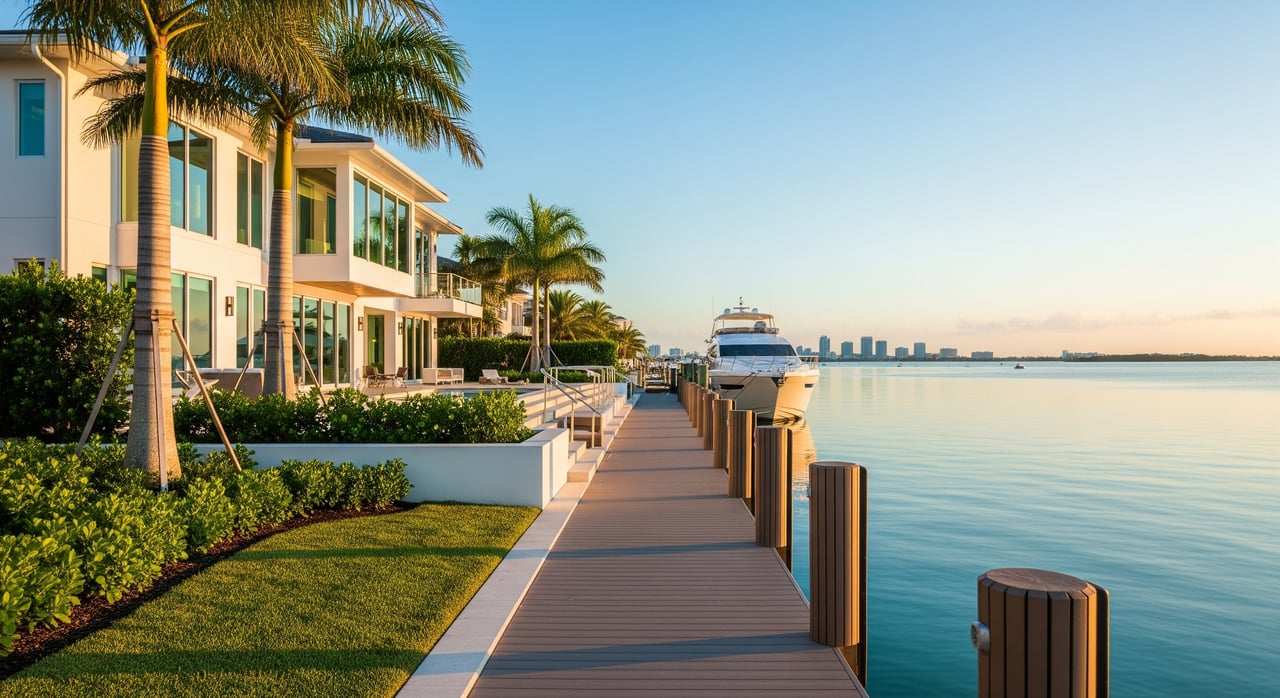
Imagine stepping out your back door, coffee in hand, and casting off for a morning cruise on Tampa Bay. If you’re shopping in St. Petersburg, you have real choices for that lifestyle. You just need to match the right neighborhood, water access, and rules to your boat and budget. In this guide, you’ll learn where to focus, what to verify, and how to avoid common pitfalls before you make an offer. Let’s dive in.
What makes a neighborhood boating-friendly
A true boating neighborhood gives you efficient, safe access to the water. Look for:
- Direct access options like private docks, deeded slips, or quick proximity to municipal marinas and public ramps.
- Navigable channels with adequate depth for your vessel and protected routes to Tampa Bay or Boca Ciega Bay.
- Nearby marine services for fuel, repairs, haul-out, pump-out, and storage.
- Clear permitting paths for docks and lifts, plus practical bridge clearances for your mast or T-top.
- A local boating culture supported by yacht clubs, events, and waterfront amenities.
Top boating areas in St. Petersburg
Snell Isle
Snell Isle is known for upscale homes and a peninsula layout that places many properties along the bay. Some homes feature seawalls and private docks with sheltered exposure for small to medium vessels. You’ll value the quick run to open water and the neighborhood’s established waterfront character. Confirm water depth behind specific lots, tidal exposure, and seawall condition before you bid.
Shore Acres and Old Northeast waterfront pockets
These adjacent neighborhoods offer an urban-meets-waterfront feel with proximity to downtown. Many bayfront homes include seawalls and private dock options. You get a walkable lifestyle with convenient access to restaurants and culture. Verify slip length limitations, any HOA rules, and dock permit status to ensure your intended boat fits.
Maximo, Maximo Moorings, and the Maximo Park area
On St. Pete’s southern side, you’ll find residential canals, nearby marinas, and public launching within the Maximo Park area. It’s a practical jump-off point to Boca Ciega Bay with routes suited to smaller and mid-size boats. Seasonal shoaling can affect channels, so ask for depth logs, recent dredging details, and ramp parking rules if you plan to trailer.
Downtown and municipal waterfront
If you prefer an urban marina scene, the downtown waterfront includes municipal slips, fueling, and walkable access to dining and entertainment. It’s ideal if you want slip access without private dock ownership. Long-term slip availability can fluctuate, and waitlists and fees vary, so contact the marina early in your search.
Old Northeast non-bayfront pockets
Many streets sit near the water, but not all homes have docks. These pockets work well if you want fast access to municipal amenities without a bayfront price tag. When comparing listings, evaluate proximity to launch points and the tradeoff between slip fees and private dock maintenance.
Nearby Pinellas options
If you’re open to communities just outside St. Petersburg city limits, these spots offer quick access to the same cruising grounds. Always verify the municipal jurisdiction because it affects permitting, taxes, and services.
Tierra Verde and the Fort De Soto corridor
A tight-knit boating hub with islands and inlets that put you on Gulf routes quickly. You’ll find a strong boating culture and a range of property types near launch points and marinas. Confirm any HOA and dock rules along with channel depths near your target street.
Gulfport
Gulfport is known for small-boat access and public waterfront amenities. It’s appealing if you value a relaxed waterfront feel with nearby services. As always, verify slip transferability and any liveaboard restrictions if you plan extended stays aboard.
St. Pete Beach and Pass-a-Grille
Barrier-island living puts you near Gulf passes and beaches, ideal for frequent Gulf runs. Homes and condos vary in slip access and rules. Check bridge clearances, especially if your route includes fixed spans.
Treasure Island and Madeira Beach
These barrier islands offer a mix of canals and bayfront exposure with Gulf access routes. You’ll want to review dock permits, seawall condition, and any canal-specific depth reports. Slip availability at nearby marinas can change seasonally, so confirm timelines.
Due diligence checklist for boat-focused buyers
Use this quick checklist before you submit an offer:
Ownership and slips
- Confirm whether the dock is owned with the property, leased, or governed by an HOA.
- Ask if any assigned slip transfers at closing and what fees apply.
- Review recorded easements that could affect access or maintenance.
Permitting and environmental
- Verify permits for existing docks, lifts, or seawalls with the City of St. Petersburg or Pinellas County.
- Expect state or federal authorization for new or rebuilt structures in tidal waters.
- Check for environmental overlays like seagrass or manatee zones that affect dock placement and lighting.
Physical conditions and logistics
- Request recent depth information and any canal dredging history; consider seasonal shoaling.
- Measure bridge clearances along your route for masts and tops.
- Inspect seawall and piling age, ownership line, and repair records.
- Ask about hurricane preparedness, marina storm policies, and dock load ratings.
Insurance, financing, and costs
- Get flood zone details and preliminary quotes for flood and wind coverage.
- Budget for dock and seawall maintenance plus potential dredging assessments.
- If you plan to use a marina slip, verify rates and current availability.
Match your boat to the property
Start with your boat’s draft, beam, and height. Then evaluate the canal or bay exposure, typical depths, and bridge clearances on your regular routes. If you sail or run a tall center console, fixed spans and wind exposure matter more. For trailered boats, confirm nearby ramp access and parking rules.
If you plan a larger vessel in the future, choose a property where the dock footprint, permitting pathway, and channel depth can support that upgrade. Ask for surveys showing the mean high-water line, dock footprint, and any encroachments before you commit.
Selling a waterfront home buyers will love
If you’re listing a dock home, help buyers check their boxes up front. Provide recent seawall and dock inspections, maintenance logs, and copies of all permits. Include any available bathymetry or neighborhood depth notes, and clarify ownership of docks, lifts, and riparian rights in the listing.
Disclose HOA rules on boat types, lift sizes, and rentals. If you have dredging assessments, flood and wind policies, or marina membership information, make those documents accessible to reduce surprises in escrow.
Local resources to consult
When you’re ready to act, contact the City of St. Petersburg Planning and Building team for dock and seawall requirements. Pinellas County provides information on boat launch sites and county-level permitting. NOAA charts and tide stations help you validate depths and timing. FEMA flood maps and your insurance agent will clarify coverage requirements. For projects in tidal waters, the Florida Department of Environmental Protection and the U.S. Army Corps of Engineers oversee key authorizations. Local marina managers and yacht clubs can update you on amenities, waitlists, and community events.
Ready to explore by water?
Whether you want a quiet canal in Maximo or a bayfront perch in Snell Isle, you have great choices across St. Petersburg and nearby Pinellas. If you want targeted listings that fit your boat and lifestyle, our local team can guide you from depth checks to dock permits and closing. Start with a quick conversation and an instant valuation for your current home from Shore2Bay Realty.
FAQs
Can I keep any size boat at a private dock in St. Petersburg?
- Usually no. Limits depend on dock dimensions, channel depth, bridge clearances, and permits, so verify specifics for the property and route.
Do private docks transfer with the property at closing?
- Often yes if the dock is fee-simple, but docks can be separately owned or encumbered by covenants or easements. Review deeds and HOA rules.
How do I confirm a dock is legal or if I can build one?
- Review recorded plats and prior permits, then check with city or county permitting. Ask the seller for permit records and any surveys showing the dock footprint.
How much more does a waterfront home with a dock usually cost?
- Premiums vary widely by location, exposure, and dock features. Compare current MLS comps and appraiser data for a realistic range.
What ongoing costs should I plan for with a dock home?
- Budget for flood and wind insurance, dock and seawall maintenance, possible dredging assessments, and marina fees if you use leased slips.
How resilient are docks and seawalls during hurricanes?
- It depends on condition and design. Get professional inspections and confirm compliance with current codes and any neighborhood standards.