Pricing a beach condo on Treasure Island is not like pricing a home on the mainland. Gulf views, HOA health, flood zones, seasonality, and short-term rental rules all shape what buyers will pay. If you get these details right, you can attract stronger offers and close with fewer surprises. This guide gives you a clear, local playbook to set a smart list price and defend it. Let’s dive in.
Start with Treasure Island market checks
Before you set a number, review fresh market stats for Treasure Island and Pinellas County. Look at inventory, median sale price, days on market, and list-to-sale price ratio. You can pull county and statewide updates from Florida Realtors and building-level activity from your agent’s MLS tools like Stellar MLS.
Seasonality matters here. Demand usually builds in fall and peaks through winter when snowbird buyers arrive. Spring can remain active, while summer and peak hurricane season often slow. If you list in high season, you may justify a tighter pricing band or see quicker offers. In slower months, clean pricing and top-tier presentation are critical.
What drives Treasure Island condo value
View and position in the building
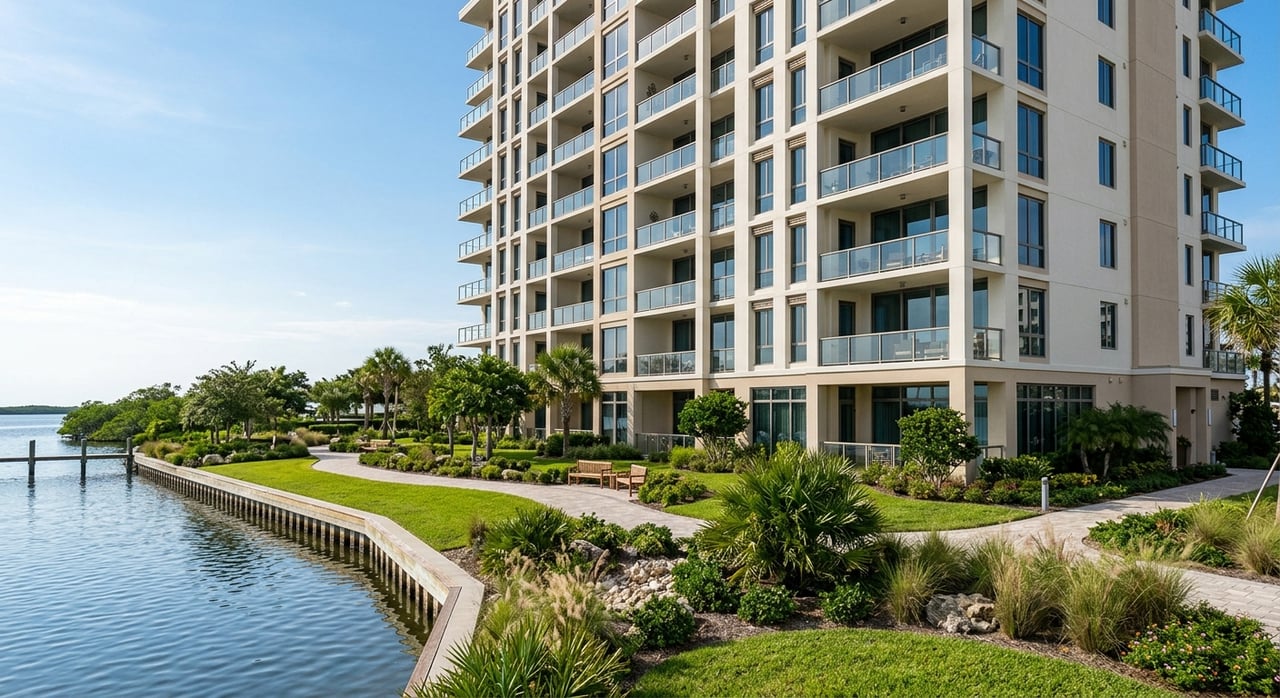
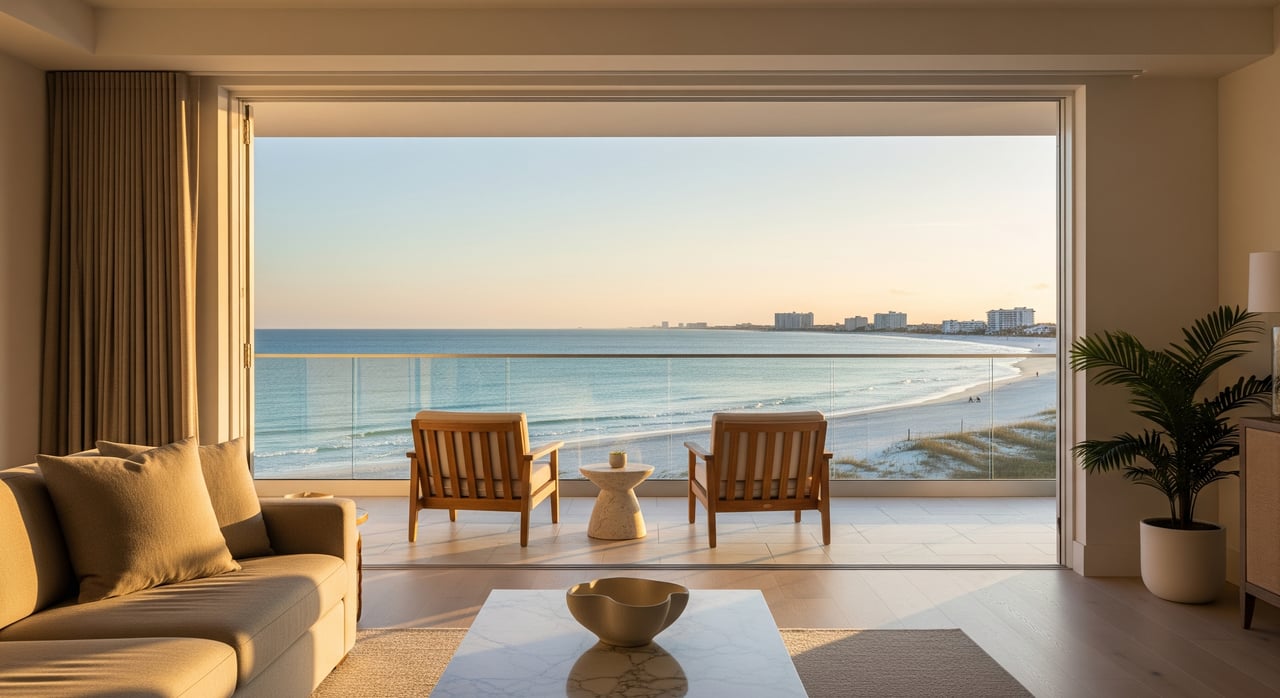
Unobstructed Gulf views and direct beachfront stack lines command clear premiums. Higher floors often sell higher for the view and privacy. Ground floors can appeal for accessibility and quick beach access but may trade at a discount if views are limited.
Amenities and building condition
Pools, reliable elevators, fitness rooms, covered or assigned parking, storage, docks or boat slips, and on-site management all help. Building age and recent capital projects, like roof or balcony work, influence buyer confidence and comps. A well-maintained exterior shows buyers that future assessments are less likely.
HOA dues, reserves, and assessments
Monthly dues shape the buyer’s carrying cost. Strong reserves and a clear history of planned maintenance support value. Low reserves or large upcoming projects create risk. Buyers often discount price when special assessments are disclosed or expected. Prepare to show the budget, reserve study, minutes, and insurance certificates.
Flood zone, elevation, and insurance
Your flood zone and elevation drive flood insurance needs. Check the unit’s building location on the FEMA Flood Map Service Center. Coastal exposure can also mean separate wind coverage and higher deductibles. Impact windows and mitigation upgrades can reduce premiums and boost buyer confidence.
Warrantability, litigation, and lending
Active association litigation, low owner occupancy, or certain reserve shortfalls can make a project non-warrantable for some loans. That shrinks the buyer pool and can pressure price. Review your obligations under the Florida Condominium Act, Chapter 718. Clear disclosures help keep deals on track.
Unit condition, furnishings, and finishes
Updated kitchens and baths, newer HVAC, durable coastal flooring, and turn-key furnishings can help, especially if buyers plan to use the condo as a vacation rental. Salt air can accelerate wear on fixtures and railings. A pre-list inspection lets you address items that could become price leverage for buyers.
Parking and storage
Deeded or assigned parking and storage lockers are valuable on the barrier islands where parking is tight. Make this clear in your listing, marketing, and comp adjustments.
How to pick and adjust comps
Start in the same building
The best comps are recent closed sales in the same stack or floor plan. If you have none, expand to nearby buildings with similar age, amenities, HOA structure, and view orientation. Stay as recent as possible, usually 3 to 12 months, and tighten the window if the market is shifting.
Make clear adjustments
Adjust for view, floor, square footage, condition and renovations, assigned parking, storage, and included furnishings. If the market has moved since a comp closed, include a time adjustment. Also consider concessions, like seller-paid closing costs, when you calculate net proceeds.
Avoid atypical comps
Exclude related-party sales, REO, and short sales unless the building is dominated by them. Note unique conditions that do not reflect arm’s length market behavior.
Use price per square foot as a check
Price per square foot is helpful, but it is blunt for beach condos. A lesser view can knock value far more than a small size difference. Use price per square foot only as a sanity check after you build a comp set with thoughtful adjustments.
Pricing for investors: income approach
If your buyer pool includes investors, layer in an income view. Estimate realistic gross rental income that reflects seasonal occupancy, then subtract operating costs like HOA, management, cleaning, utilities, property taxes, and insurance. Compare using a cap rate or GRM that matches current local investor expectations.
If your condo allows short-term rentals, you can highlight documented performance. Include seasonality, cleaning turns, local tourist development tax, and state sales tax in your model. If the association or city rules do not allow short-term rentals, do not price for that income.
Factor in buyer monthly cost
Most buyers think in monthly terms, not just price. Model an example carrying cost at your likely list price:
- Mortgage principal and interest
- Property taxes divided by 12
- Homeowner’s insurance divided by 12
- Flood insurance divided by 12
- HOA dues
- PMI if applicable
Higher HOA and insurance costs reduce the price that fits a buyer’s monthly band. Showing this math helps you choose a price that meets the broadest pool of qualified buyers.
Choose a pricing strategy
- Aggressive pricing: List slightly below fair value to spark multiple offers, best in tight inventory and high season.
- Market pricing: List at fair value based on your adjusted comps to attract serious buyers and keep days on market low.
- Premium pricing: Test slightly above comps only when you have a rare view, standout condition, or peak-season timing. Watch feedback and adjust quickly if activity lags.
Tactics that help without cutting price:
- Use price banding, for example 399,900 instead of 400,000
- Offer a rate buy-down or prepay a portion of HOA dues
- Do a pre-list inspection and address repair items to reduce buyer negotiation leverage
Insurance and risk items to confirm
- Flood zone and elevation: Pull maps from the FEMA Flood Map Service Center and get an elevation certificate if available. Buyers and insurers will ask.
- Wind coverage and carriers: For market context on rates and coverage availability, review the Florida Office of Insurance Regulation. If private carriers are limited, buyers may look at Citizens Property Insurance. Document mitigation features like impact windows.
- Long-term coastal risk: For sea-level rise and storm surge context, refer to NOAA resources. Buyers use this information to compare buildings and locations.
Short-term rental rules and documentation
Short-term rental value depends on what your association and the city allow. Many associations set minimum lease lengths, limit the number of rentals per year, or require approvals. The City of Treasure Island sets local rules, registrations, and safety requirements. Review current city guidance on the City of Treasure Island website and match it to your association’s documents. If you market STR potential, be ready to show proof of compliance and realistic income history.
Seller prep checklist for accurate pricing
- Pull 6 to 12 months of closed sales in your building and the closest comparable buildings on Treasure Island
- Collect HOA documents, including the budget, reserve study, recent meeting minutes, master insurance, rental policy, and any litigation or special assessments
- Order a pre-list inspection and complete easy repairs
- Confirm flood zone and gather an elevation certificate if available
- Build a simple carrying-cost worksheet at several price points that includes HOA, taxes, and insurance
- Decide how you will handle STR disclosures and compliance if rentals are allowed
- Align your launch timing with high-season windows whenever possible
Common pricing mistakes to avoid
- Relying only on price per square foot and missing the view premium
- Ignoring special assessments or thin reserves that will surface during buyer diligence
- Using mainland or off-beach comps that do not reflect Treasure Island demand
- Overpricing in summer, then chasing the market with reductions
- Underestimating flood and wind insurance costs in the buyer affordability math
What a strong pricing package should include
A complete pricing package helps you defend your list price and move cleanly to contract. Expect your agent to deliver:
- A same-building and near-building comp set with explicit adjustments for view, floor, condition, parking, and furnishings
- A price per square foot check, framed by view and HOA differences
- An investor worksheet if rentals are allowed, with seasonal income and expense modeling
- A carrying-cost breakdown at key price points so buyers see monthly fit
- A clear plan for launch timing, premium digital presentation, and showing strategy
If you want a quick read on value before a full analysis, use your brokerage’s instant valuation tool, then refine it with building-specific comps and HOA documentation.
Ready to price with confidence and present your condo at its best? Reach out for a local, comp-driven analysis and premium marketing that meets Treasure Island buyers where they are. Get Your Instant Home Valuation with Unknown Company today.
FAQs
How much does a Gulf view add to a Treasure Island condo’s value?
- Gulf-front and unobstructed views often command significant premiums, so use same-building beachfront sales to quantify and adjust your pricing.
How do HOA dues affect the listing price for a Treasure Island condo?
- Higher dues raise monthly cost and can lower achievable price; offset with clear reserves, inclusions, and strong building maintenance history.
What is a non-warrantable condo in Florida and why does it matter?
- Non-warrantable status limits conventional, FHA, or VA financing, which shrinks the buyer pool and can pressure price unless cash demand is high.
How do flood and wind insurance costs impact Treasure Island condo buyers?
- Higher flood and wind premiums increase monthly carrying costs, which can reduce what buyers are willing to pay, especially for second-home buyers.
Can I price my Treasure Island condo based on short-term rental income?
- Only if STRs are allowed by your association and the city, and you can document realistic income with seasonal occupancy and full operating costs.
When is the best season to list a Treasure Island beach condo?
- Fall through winter typically brings stronger demand from snowbird buyers, while summer often sees slower activity and more price sensitivity.