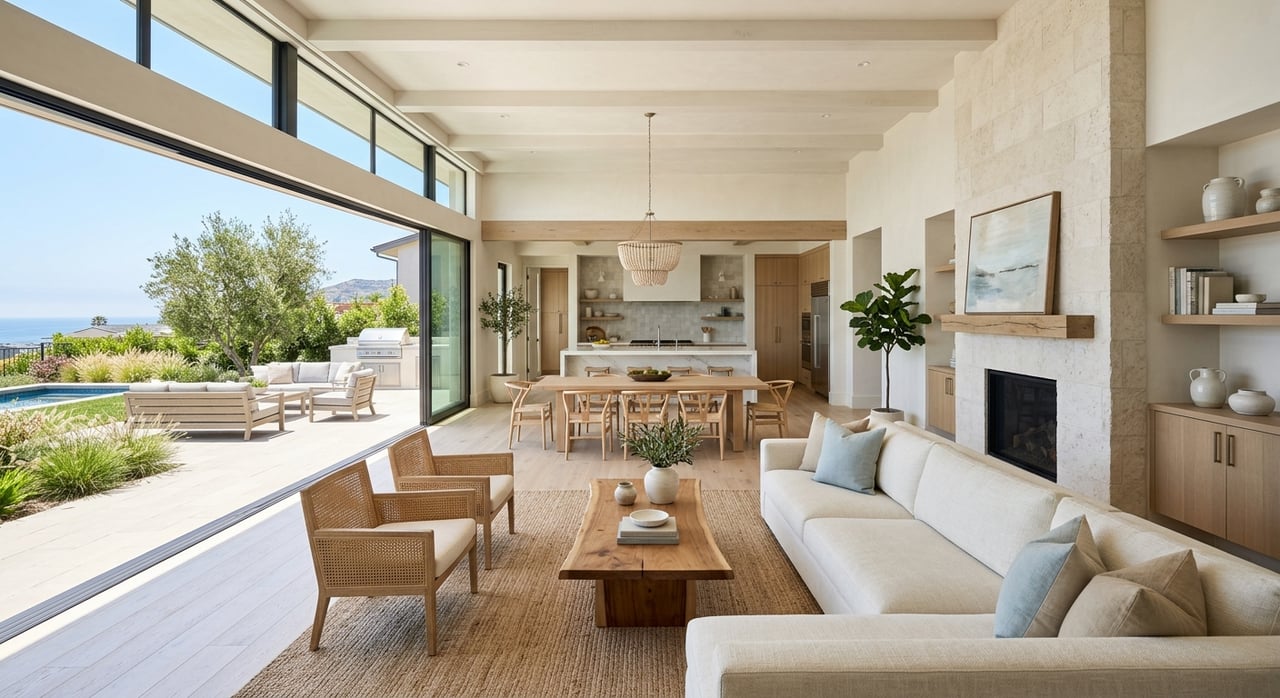
Need more elbow room, but not sure how to move up without overreaching? In St. Petersburg, buying a larger home is rarely just about adding bedrooms or finding a bigger backyard. You also need to weigh lot size, zoning, flood risk, insurance, and the timing of selling your current place. This guide will help you think through where more space may be easier to find, what to look for beyond square footage, and how to plan your next step with more confidence. Let’s dive in.
Why moving up feels different in St. Pete
Moving up in St. Petersburg can get expensive quickly. Census QuickFacts estimates the city’s median value of owner-occupied housing units at $371,100 for 2020 to 2024, with median monthly owner costs with a mortgage at $1,987. If you are trading a condo or starter home for something larger, your monthly budget may need to cover a bigger loan plus taxes, insurance, and possibly HOA dues.
That is why “more house” does not always equal “better fit.” A home with extra square footage may still strain your budget if the location brings higher flood insurance costs or other ongoing expenses. For many move-up buyers, the smarter goal is not simply to buy the biggest home possible, but to buy space that works better for how you live.
What “more space” really means
More space can mean different things depending on your next chapter. You may want another bedroom, a home office, a larger yard, a real garage, or room to host family. In St. Pete, those needs often connect more closely to the lot and zoning than to the headline square footage.
When you start your search, it helps to think in layers. The house matters, of course, but so do lot width, setback depth, alley access, and garage placement. If you want flexibility for the future, those details can matter just as much as the number of finished square feet today.
Where more room is often easier to find
St. Petersburg’s zoning code separates traditional, suburban, corridor, downtown, and center districts. In general, suburban and estate categories have lower densities and intensities than traditional districts. That often makes them a better starting point if your goal is more land, more separation between homes, or a floor plan with more flexibility.
Traditional districts can still work, but they usually require a more careful property-by-property review. The zoning code notes that NT-3 is the widest traditional single-family pattern, with 60- to 65-foot lot widths and a 7,620-square-foot minimum lot area. That can make some traditional areas more workable for move-up buyers who want character and some room to grow.
Neighborhood patterns to keep on your radar
Some St. Petersburg areas come up often when buyers want to move beyond a starter home. Local district references include neighborhoods such as Lakewood Estates, Broadwater, Greater Pinellas Point, Bahama Shores, Snell Isle, Shore Acres, Placido Bayou, Riviera Bay, Crescent Lake, and Historic Old Northeast. These names can help you build a search map, but the lot-by-lot reality still needs to be verified.
Lakewood Estates stands out in local materials as a clear large-lot example. Its civic association describes the neighborhood as having diverse architecture on large lots. That makes it a useful reference point when you want to picture what “more space” can look like inside city limits.
Historic Old Northeast shows the other side of the story. It is a well-known traditional neighborhood, but local city records and zoning context suggest tighter patterns, parking pressure in some areas, and more limits than buyers may expect at first glance. In places like this, you may still find homes with charm and potential, but you will want to study the parcel details closely.
Look beyond square footage
A bigger number on a listing does not always solve your space problem. In many move-up searches, the better filters are the ones that reveal how a property functions now and how it could function later.
Focus on practical features such as:
- Lot width
- Lot depth
- Front and rear setbacks
- Alley access
- Garage location
- Yard usability
- Space for storage or work-from-home needs
- Potential for future accessory space
These factors can change how spacious a home feels day to day. They can also affect whether you have options later if your needs shift again.
Why alley access can matter
In St. Petersburg, alley access is more than a convenience. It can influence garage placement, parking flexibility, and future use of the lot. For some buyers, an alley-front setup may create better options for guest space, work-from-home use, or an in-law arrangement down the road.
The city code is especially important here. In neighborhood suburban districts, a new accessory dwelling unit generally requires at least 10,000 square feet, unless the lot is on an alley, in which case 4,500 square feet may be enough. If future flexibility matters to you, that is a detail worth checking early.
Accessory space and future planning
St. Petersburg’s code defines accessory living space as separate space that shares the principal residence’s cooking, laundry, address, and utility meter. The code also allows accessory dwelling units in traditional neighborhood districts and many neighborhood suburban districts, subject to lot rules and other standards.
This matters if you are trying to avoid moving again too soon. A property that works for you today and leaves room for future guest space, multigenerational living, or a dedicated office may offer more long-term value than a larger house on a less flexible lot.
Flood risk can reshape your budget
In St. Petersburg, flood risk matters just as much as floor plan. Pinellas County says everyone lives in a flood zone, but flood zones are not the same as evacuation zones. It also notes that high-risk flood zones can require flood insurance on federally backed mortgages.
That means a larger home in the wrong location can cost much more than you expect each month. Two homes may seem similar on paper, but the one with higher flood exposure may bring very different carrying costs. For move-up buyers, this is one of the most important comparisons to make before you fall in love with a property.
Check each property, not just the neighborhood
Flood risk is not something to judge by neighborhood name alone. Pinellas County recommends checking a specific property in its Flood Map Service Center because it shows flood risk, evacuation zone, and storm-surge information in one place.
This is especially useful when you are comparing different types of homes. A condo, a suburban-lot single-family home, and a near-water property may all offer the “extra space” you want, but with very different cost profiles over time.
Budget for the full monthly payment
When you move up, the list price is only part of the decision. Your real budget should reflect the full monthly cost of owning the home. That includes principal and interest, property taxes, homeowners insurance, possible flood insurance, and HOA fees if they apply.
In St. Petersburg and greater Pinellas County, this broader view is essential. A home that looks like a stretch but manageable on sale price alone may feel very different once insurance and flood-related costs are added in. Pinellas County also offers flood insurance technical assistance, which can help when you are comparing homes with different flood exposures.
How to sequence your sale and purchase
One of the biggest move-up questions is timing. Do you sell first, buy first, or try to line both up at once? In many cases, homeowners try to sell their current home before buying another one.
It is also wise to get preapproved before you shop seriously. Sellers often want to see a preapproval letter, and those letters can expire after about 30 to 60 days. If your search takes time, you may need to refresh your paperwork.
When buying before selling may work
Some buyers need to close on the new home before the current one sells. Guidance referenced in the research report notes that bridge or swing loans can be used to close on a new principal residence before the old home is sold. These are temporary tools, and they can affect how your debt is counted during underwriting.
If you are considering that route, the details matter. The impact may be different if your current home is already under a fully executed sales contract and financing contingencies have cleared. This is one of those moments when careful planning can reduce stress and widen your options.
Protect yourself with contingencies
In a move-up purchase, it is easy to focus on logistics and overlook contract protection. But inspection and appraisal contingencies can matter even more when you are taking on a larger financial commitment.
If your contract is contingent on a satisfactory inspection and the inspection uncovers serious flaws, that contingency may allow you to cancel without penalty. Appraisal also matters. If the appraisal comes in below the sale price, that can create room for renegotiation or cancellation depending on your contract terms.
Do not overlook Florida homestead portability
If you are selling one Florida homestead and buying another in Florida, homestead portability may be an important planning point. According to the Florida Department of Revenue, the homestead exemption itself does not transfer to your new Florida homestead. However, eligible owners may transfer the Save Our Homes assessment difference through portability.
For long-time St. Petersburg owners, that can affect the tax picture on your next home. It is worth understanding early, especially if you have owned your current property long enough to build a meaningful assessment difference.
A smart move-up strategy for St. Pete
The best move-up plan in St. Petersburg usually starts with a clear definition of what “more space” means to you. From there, narrow your search by zoning pattern, lot features, flood exposure, and total monthly cost. That approach often leads to better decisions than simply filtering for the biggest homes in your price range.
A well-chosen move-up home should give you room to live better now and more flexibility for later. If you want local guidance on comparing neighborhoods, weighing lot-by-lot tradeoffs, or planning the timing of your sale and purchase, Shore2Bay Realty can help you navigate the process with a neighborhood-first approach.
FAQs
What should move-up buyers in St. Petersburg prioritize besides square footage?
- Focus on lot width, lot depth, setbacks, alley access, garage placement, yard usability, and zoning flexibility for future accessory space.
Which St. Petersburg areas may offer more room for a move-up buyer?
- Neighborhoods often mentioned in move-up searches include Lakewood Estates, Broadwater, Greater Pinellas Point, Bahama Shores, Snell Isle, Shore Acres, Placido Bayou, Riviera Bay, Crescent Lake, and Historic Old Northeast, but each parcel should be verified individually.
Why is flood risk so important when buying a larger home in Pinellas County?
- Pinellas County says everyone lives in a flood zone, and higher-risk flood zones can require flood insurance on federally backed mortgages, which can significantly change your monthly cost.
How can a St. Petersburg lot affect future guest space or an ADU?
- In many cases, alley access and lot size can affect whether a new accessory dwelling unit is allowed, with some neighborhood suburban lots needing 10,000 square feet unless alley access lowers that threshold to 4,500 square feet.
Should you sell your current home before buying your next home in St. Petersburg?
- Many homeowners try to sell first before buying, and getting preapproved early can help because sellers often want a current preapproval letter.
What is homestead portability for a Florida move-up buyer?
- Florida homestead portability allows eligible owners to transfer the Save Our Homes assessment difference to a new Florida homestead, even though the homestead exemption itself does not transfer.