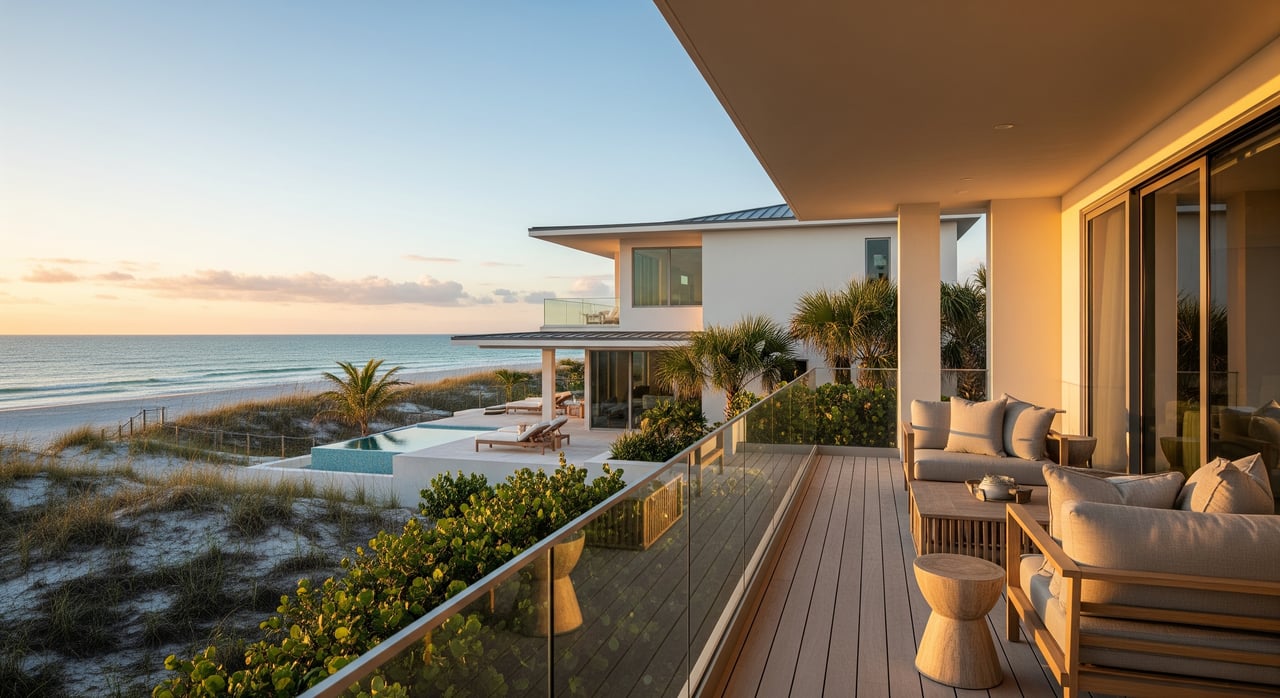
Looking for a beach lifestyle in St. Pete Beach and not sure if a condo or a house is the better fit? You are not alone. On a barrier island, your choice affects cost, insurance, maintenance, rental options, and daily living. In this guide, you will learn the tradeoffs, what to check before you buy, and where to verify key details. Let’s dive in.
Quick take: who each option suits
Condos in St. Pete Beach tend to suit second‑home buyers, retirees who want low‑maintenance living, and anyone who values amenities like a pool, on‑site management, or easy beach access. If you want to lock and leave, or you plan to split your time here, a condo can be a strong fit.
Single‑family homes often fit full‑time residents or anyone who wants more space, a yard or dock, and greater control over property decisions. If you own a boat, want room for guests, or plan to customize, a house may be the better pick.
Your lifestyle, risk tolerance, and financing plan will guide the choice. The rest of this guide helps you weigh each factor with St. Pete Beach in mind.
Cost comparison: what to expect
Purchase price context
Condos can be a lower entry point than single‑family homes, although views, age, and amenities create wide price ranges. Houses on the island usually carry higher total prices, especially with water access. For a clear comparison, look at price per square foot, not just median price. For current trends by property type, review recent local data from Florida Realtors or your agent’s MLS.
Monthly and annual costs
- Condos: Monthly association fees typically cover exterior maintenance, common area insurance, building systems, amenities, and sometimes water, sewer, and trash. Confirm what is included and whether the budget funds reserves for future repairs.
- Houses: You will budget for your own homeowners insurance, exterior upkeep, landscaping, private pool care, and possibly an HOA if the home sits in a managed subdivision.
- For both: Plan for property taxes, utilities, flood coverage when required, and potential special assessments. Obtain written insurance quotes early to build a realistic budget.
Special assessments vs. private upkeep
Condo associations can levy special assessments for major repairs if reserves are insufficient. Review the reserve study, recent financials, and assessment history before you commit. As a homeowner, you avoid association assessments, but you carry the full cost of roof, exterior, seawall or dock work, and systems replacement.
Insurance and flood risk on a barrier island
Flood zones and maps
Large parts of St. Pete Beach sit in FEMA Special Flood Hazard Areas, including AE and VE coastal zones. If a property lies in an SFHA and you use a mortgage, flood insurance is required. Look up any address on the FEMA Map Service Center and review the property’s elevation certificate when available. To understand long‑term exposure, explore the NOAA Sea Level Rise Viewer.
NFIP pricing and coverage basics
FEMA’s Risk Rating 2.0 changed how flood insurance premiums are set nationwide. Coastal properties can see higher or lower rates depending on elevation, distance to water, structure type, and other factors. Learn how pricing works and what data insurers use through FEMA’s flood insurance resources.
- Condos: The association’s master policy typically covers the building shell and common areas, but it does not usually cover your unit interior for flood. You will likely need an HO‑6 policy for interior finishes and contents, plus your own flood policy if required.
- Houses: You will secure a standard homeowners policy and, where required or prudent, a separate flood policy. Verify coverage limits, wind deductibles, and exclusions.
Wind and hurricane coverage
Florida’s coastal properties face windstorm risk. Many condo associations carry master property insurance that includes wind coverage for common elements. Unit owners still need HO‑6 coverage for interiors. For single‑family homes, you must obtain your own wind coverage; deductibles and availability vary. To understand the market backdrop, consult Citizens Property Insurance and the Florida Office of Insurance Regulation for statewide trends and guidance.
Resilience and long‑term view
As with many barrier islands, properties on the bayfront or Gulf‑front face storm surge and long‑term sea‑level rise. Review local resilience planning and consider higher‑elevation construction, flood openings, and impact protection when comparing properties. A proactive approach can support comfort, safety, and resale over time.
Financing and resale considerations
Condo financing basics
Condo loans evaluate both you and the building. Lenders review the association’s budget, reserves, insurance, owner‑occupancy ratios, and any pending litigation. Some programs, including Fannie Mae and Freddie Mac, use project‑level standards that a building must meet for eligibility; you can review the framework in Fannie Mae’s condominium project standards. FHA and VA have their own review processes. If you plan to use one of these loans, start lender conversations early and request the condo packet promptly.
Single‑family financing
Houses are usually simpler to finance because lenders underwrite the property rather than a shared association structure. Conventional and government loans may be easier to use compared with a condo in an ineligible project. You will still need to satisfy appraisal, inspection, insurance, and flood requirements.
Taxes and homestead benefits
If you use the property as your permanent residence, you can explore Florida’s homestead exemption, which applies to condos and single‑family homes. The exemption and the Save Our Homes cap can reduce and stabilize your tax burden. Review eligibility and deadlines with the Pinellas County Property Appraiser.
Resale dynamics
Condos often appeal to second‑home buyers and retirees who value convenience and amenities. Houses typically attract full‑time residents and buyers who want private space and autonomy. Marketability will depend on location, elevation, building condition and reserves for condos, and maintenance, upgrades, and outdoor features for houses. Track current trends through Florida Realtors market reports and your agent’s MLS review for St. Pete Beach.
Lifestyle and practicalities
Space, parking, and storage
Condos may limit storage and parking, and guest parking can be tight near Gulf Boulevard. Confirm assigned parking, storage lockers, bicycle or board rooms, and any waitlists. Houses generally offer more private storage, garages, and room for water toys, trailers, or golf carts, subject to local codes.
Amenities and rules
Many condo buildings offer pools, fitness rooms, and on‑site management. In return, you agree to community rules that can affect pets, renovations, balcony use, and noise. Read the rules before you buy. With a house, you set most policies, but neighborhood HOAs and city ordinances still apply.
Short‑term rentals and leasing
Short‑term rentals are popular in beach markets, but rules vary by city and building. St. Pete Beach maintains local regulations and registration requirements for vacation rentals. Review the city’s current guidance on the City of St. Pete Beach website and verify association leasing rules, minimum lease terms, and any caps before pro forma modeling. Many condo buildings limit short stays, and some single‑family areas have restrictions as well.
Hurricane readiness
- Condos: Ask about shutters or impact glass, generator capacity for common systems, and the association’s hurricane plan. Clarify owner responsibilities for interior prep.
- Houses: Budget for shutters or impact windows, roof clips or straps, securing outdoor items, and optional standby power. Request the seller’s hurricane and flood history and any elevation improvements.
Buyer checklists you can copy
Condo due diligence
- Documents to obtain: declaration, bylaws, articles, rules, budget and recent financials, reserve study, a summary of any special assessments, insurance declarations for the master policy, meeting minutes from the past 12 to 24 months, and any warranties.
- Risk signals to review: reserve fund level versus recommended needs, history of assessments, pending litigation or insurance disputes, owner‑occupancy percentage, and dues delinquency rate.
- Physical items to inspect: building exterior and roof, balconies and railings, parking structure, elevators, mechanical systems, pool, evidence of water intrusion, and your unit’s HVAC, plumbing, and electrical.
- Financing checks: confirm whether the project meets standards for conventional, FHA, or VA loans; your lender can advise using program criteria such as Fannie Mae’s project standards.
- Insurance: understand what the master policy covers, price your HO‑6 and a separate flood policy if required, and review wind deductibles.
Single‑family home due diligence
- Documents to obtain: seller disclosures, any HOA documents, prior permits, insurance claim history if available, and the property’s elevation certificate.
- Physical items to inspect: roof, structure, drainage, termite and pest, windows and doors, pool equipment, and for waterfront property, the seawall, dock, and boatlift.
- Risk questions to ask: flood history, frequency of nuisance flooding, hurricane damage history, and any neighborhood drainage or seawall projects.
- Insurance: secure quotes for homeowners, wind, and flood coverage and confirm carrier availability for the home’s location.
Common steps for both
- Verify the flood zone on the FEMA Map Service Center and obtain quotes that reflect the property’s elevation and construction.
- Learn how NFIP pricing works through FEMA’s flood insurance overview, then compare with any private flood options your agent or insurer suggests.
- Track insurer availability and policy rules through Citizens Property Insurance and the Florida Office of Insurance Regulation.
- Confirm homestead eligibility and deadlines with the Pinellas County Property Appraiser.
- For market context by property type, consult current reports from Florida Realtors and your agent’s MLS analysis for St. Pete Beach.
How to choose with confidence
If you want low maintenance, built‑in amenities, and a community setting, a condo is often the easiest path on the island. If you want privacy, storage, and control, a house may be worth the added upkeep and insurance planning. Either way, focus your decision on total monthly cost, insurability, flood profile, association strength for condos, and everyday lifestyle needs.
When you are ready to compare specific properties, our team can assemble the documents, coordinate inspections, and help you model cost and risk side by side. If you are also thinking about selling, use our digital tools to position your home for the right buyer type and price tier. To get tailored guidance for St. Pete Beach, connect with the local specialists at Shore2Bay Realty. Get Your Instant Home Valuation.
FAQs
What makes St. Pete Beach condos different from inland condos?
- Many are in FEMA AE or VE flood zones, so lenders may require flood insurance, and building age, reserves, and coastal exposure should be reviewed in detail.
Do I need flood insurance for a house or condo in St. Pete Beach?
- If the property is in a Special Flood Hazard Area and you have a mortgage, yes, and it is still smart to price a policy even outside SFHAs using the FEMA flood resources.
Are condos harder to finance than houses here?
- Often, because lenders evaluate the building’s budget, reserves, insurance, and litigation; review program rules such as Fannie Mae’s condo standards early with your lender.
How do special assessments work in condo buildings?
- If reserves are insufficient for major repairs, associations can levy special assessments, so review the reserve study, financials, and assessment history before you buy.
Can I use a St. Pete Beach property for short‑term rentals?
- Possibly, but city rules and building rules apply, and some communities restrict short stays; confirm current requirements on the City of St. Pete Beach site and in association documents.
Where can I find current market data for condos vs. houses?
- Check recent local reports from Florida Realtors and ask your agent for a St. Pete Beach breakdown by property type and price per square foot.